The adhesive protective film is a critical product in various industries,
particularly in the production and installation of UPVC doors and windows.
This film serves as a temporary protective layer, safeguarding sensitive
surfaces from damages such as scratches, dust, moisture, and ultraviolet (UV) rays.
Azin Plast Kimia, a leading manufacturer of adhesive protective films in Iran, leverages advanced technology and high-quality raw materials to deliver diverse products tailored to industry needs.
This comprehensive article explores the features, applications, benefits, production process, environmental considerations, and selection guide for adhesive protective film used in UPVC doors.
The primary keyword, adhesive protective film, is strategically integrated to optimize search engine performance. For pricing details, contact Mr. Mirzaeian at 09151130934.
What is Adhesive Protective Film?
Adhesive protective film is a polymer film, typically made from polyethylene (PE) or polypropylene (PP),
with one side coated with a specialized adhesive (acrylic or rubber-based).
This adhesive is designed to adhere easily to various surfaces and leave no residue upon removal,
making it ideal for protecting sensitive surfaces like UPVC doors.
Azin Plast Kimia produces these films in thicknesses ranging from 35 to 150 microns and widths from 5 to 200 centimeters, enabling their use in diverse projects.
Types of Adhesive Protective Film
Adhesive protective films come in various types, each suited for specific applications:
• Transparent Film: For surfaces requiring visibility of the original appearance, such as UPVC doors with decorative coatings.
• Colored Film: For easy identification or branding purposes with printed logos.
• UV-Resistant Film: For outdoor environments exposed to sunlight.
• Printed Film: Allows custom designs or logos for branding.
• Low or High Adhesion Film: Varying adhesion levels based on surface type and usage duration.
Azin Plast Kimia offers these variants to meet the diverse needs of the UPVC industry. For pricing and product selection, contact Mr. Mirzaeian at 09151130934.
Key Features of Adhesive Protective Film
The adhesive protective film from Azin Plast Kimia boasts several distinguishing features:
• Scratch Resistance: Protects surfaces from scratches caused by tools, transportation, or hard objects.
• Residue-Free Adhesion: The adhesive leaves no marks or residue upon removal.
• Dimensional Flexibility: Available in various widths and thicknesses to suit client needs.
• Moisture and Chemical Resistance: Resistant to moisture, detergents, and certain chemicals, ideal for construction environments.
• Printing Capability: Supports high-quality printing of logos or product details up to 6 colors.
• UV Resistance: Some models include UV-resistant additives, perfect for outdoor UPVC doors.
• Recyclability: Made from recyclable polymers, supporting environmental sustainability.
Applications of Adhesive Protective Film in UPVC Doors
UPVC doors are widely used in construction due to their thermal and acoustic insulation, weather resistance,
and aesthetic appeal. However, they are prone to damage during production
, transportation, storage, and installation.
The adhesive protective film from Azin Plast Kimia provides an effective solution. Key applications include:
1. Scratch Protection
The smooth, glossy surfaces of UPVC doors are highly susceptible to scratches, especially during transportation or installation. The adhesive protective film
creates a durable layer to prevent such damage while maintaining surface quality.
2. Dust Prevention
Dust is a major factor in diminishing the appearance of UPVC doors, particularly in industrial or construction settings. The film fully covers the door surface,
preventing dust accumulation and preserving its look until final installation.
3. UV Protection
For UPVC doors installed outdoors, UV rays can cause fading or discoloration. UV-resistant films from Azin Plast Kimia protect against these effects, extending the
door’s aesthetic lifespan.
4. Advertising and Branding
The film allows printing of logos, brand names, or contact details, serving as an effective advertising tool. Azin Plast Kimia offers high-quality printing services up
to 6 colors.
5. Protection During Installation
During UPVC door installation, tools, construction materials, or human errors can damage the surface. The protective film acts as a shield, keeping the door in
pristine condition until installation is complete.
6. Long-Term Storage Protection
For UPVC doors stored for extended periods, the film prevents dust, moisture, or physical damage, crucial for large-scale construction projects.
7. Chemical Protection
UPVC doors may be exposed to chemicals like paints or solvents. The film from Azin Plast Kimia is resistant to these substances, protecting the door surface.
8. Protection for Laminated Doors
Some UPVC doors feature decorative laminated coatings that are highly sensitive to scratches. The adhesive protective film is ideal due to its suitable adhesion
and easy removal.
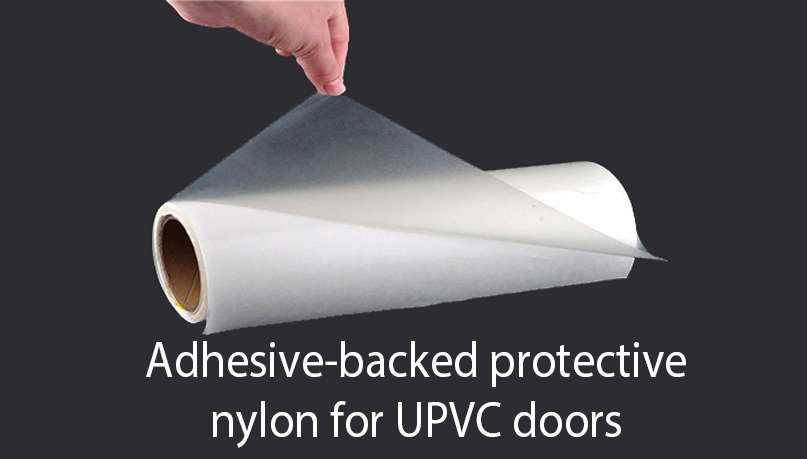
Azin Plast Company Adhesive Protective Film for UPVC Doors
Production Process of Adhesive Protective Film
Producing adhesive protective film is a complex process requiring advanced equipment
and high-quality materials. Azin Plast Kimia uses imported machinery from Taiwan and premium lightweight polyethylene. The production stages include:
1. Raw Material Selection: Polyethylene or polypropylene is chosen for its flexibility and durability.
2. Film Extrusion: Raw materials are melted in an extruder to form a thin film of specified thickness.
3. Adhesive Application: One side is coated with acrylic or rubber-based adhesive.
4. Additive Incorporation: UV stabilizers or anti-static agents are added as needed.
5. Printing (if required): Custom designs or logos are printed using advanced machines.
6. Cutting and Rolling: The film is cut to desired dimensions and rolled into coils.
7. Quality Control: Each roll is inspected for adhesive quality, thickness, and resistance.
For inquiries about the production process or orders, contact Mr. Mirzaeian at 09151130934.
Benefits of Using Adhesive Protective Film
The adhesive protective film from Azin Plast Kimia offers numerous benefits:
• Preserves Aesthetic Quality: Prevents discoloration, scratches, and dirt.
• Reduces Repair Costs: Minimizes the need for repairs or replacements.
• Ease of Use: Easy to apply and remove without special tools.
• Customization Flexibility: Available in various sizes, thicknesses, and colors.
• Cost-Effectiveness: More affordable than other protective materials.
• Brand Enhancement: Printed logos boost brand visibility.
Tips for Choosing Adhesive Protective Film
To select the right film for UPVC doors, consider:
1. Raw Material Quality: Ensure the film is made from high-quality polyethylene or polypropylene.
2. Adhesive Type: The adhesive should leave no residue.
3. Appropriate Thickness and Width: Choose based on the application.
4. Environmental Resistance: Select UV-resistant film for outdoor use.
5. Custom Printing: Opt for printable film for branding purposes.
6. Quality Certifications: Source from reputable manufacturers like Azin Plast Kimia.
7. Sample Testing: Test a sample before bulk purchase.
For guidance on selecting the right film, contact Mr. Mirzaeian at 09151130934.
Should the Adhesive Protective Film Be Removed?
The film is designed for temporary protection and should ideally be removed after UPVC door installation under suitable conditions.
In high-risk environments, it can be left longer without damaging the surface.
Avoid prolonged exposure to direct sunlight unless the film is UV-resistant.
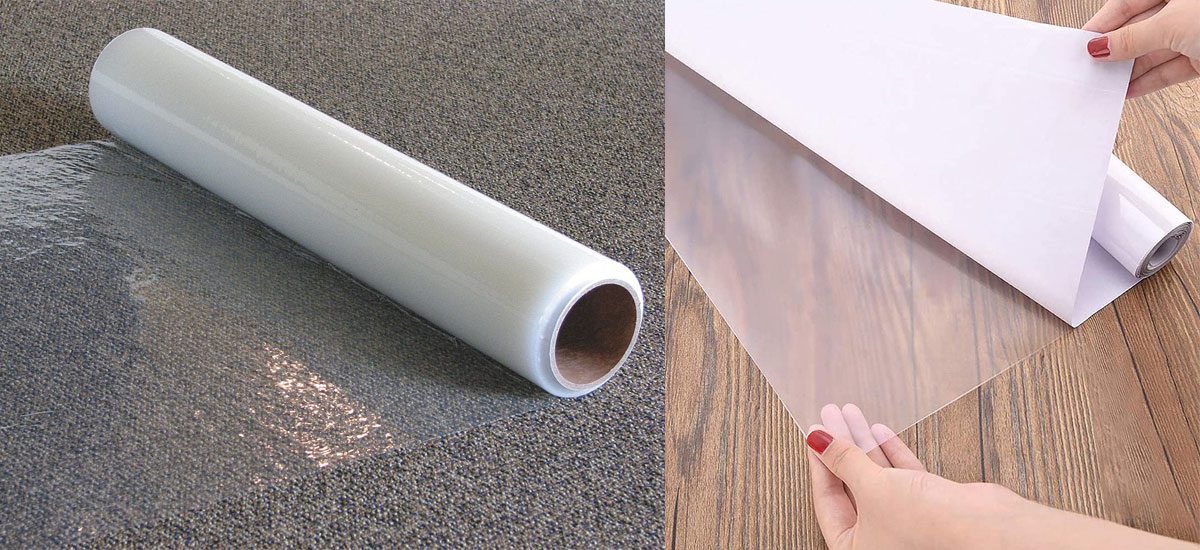
Adhesive Protective Film for UPVC Doors
Environmental Considerations
While offering many benefits, the adhesive protective film requires environmental consideration.
Made from recyclable polymers, Azin Plast Kimia encourages recycling. Recommendations include:
• Recycling Used Film: Deliver used film to recycling centers.
• UV-Resistant Film: Use to reduce replacement needs.
• Optimal Thickness: Choose the right thickness to minimize waste.
Role of Azin Plast Kimia in Production
Since 1998, Azin Plast Kimia has been a leading brand in protective film production,
using advanced equipment and high-quality polyethylene. Key product features:
• Diverse sizes and thicknesses.
• UV-resistant films for outdoor use.
• High-quality printing up to 6 colors.
• Commitment to quality and customer satisfaction.
• Exports to regional markets.
For orders or inquiries, contact Mr. Mirzaeian at 09151130934.
Pricing of Adhesive Protective Film
The cost of adhesive protective film depends on thickness,
width, adhesive type, additives, and custom printing.
Azin Plast Kimia offers competitive pricing and high-quality products. For current pricing details, contact Mr. Mirzaeian at 09151130934.
Conclusion
The adhesive protective film is an effective, cost-efficient solution for protecting UPVC doors from physical and environmental damage.
Azin Plast Kimia provides high-quality, customizable films that meet industry needs, offering features like durability,
residue-free adhesion, and branding opportunities.
For more information, pricing, or to place an order, contact Mr. Mirzaeian at 09151130934 or visit the Azin Plast Kimia website.
The price of self-adhesive nylon is a critical consideration for manufacturers, farmers, exporters, and industry professionals seeking a high-quality, cost-effective solution for packaging and protecting products.
Self-adhesive nylon, also known as adhesive film or sticky plastic film, is valued for its unique properties, such as gentle adhesion, flexibility, and resistance to environmental factors.
These characteristics make it an essential tool across industries like agriculture, automotive, construction, and packaging.
Azin Plast Kimia, a leading producer of self-adhesive nylon in Iran, has established itself as a trusted supplier by offering high-quality products at competitive prices.
The price of self-adhesive nylon depends on various factors, including thickness, width, adhesive type, special additives (such as UV resistance), and printing services.
This product features a low-tack adhesive layer that adheres to surfaces and can be removed easily without leaving residue, making it ideal for protecting sensitive surfaces.
In this comprehensive article, we explore the factors affecting the price of self-adhesive nylon, its applications across industries, benefits, challenges, production technologies, and the pivotal role of Azin Plast in meeting industry demands.
Factors Affecting the Price of Self-Adhesive Nylon
The price of self-adhesive nylon is influenced by multiple factors that buyers must understand to make informed purchasing decisions. Below, we outline the key factors that determine the price of self-adhesive nylon:
Thickness of the Nylon: Self-adhesive nylon is available in various thicknesses, typically ranging from 35 to 150 microns.
Thicker nylon requires more raw materials, resulting in a higher price of self-adhesive nylon.
For instance, 100-micron nylon used for protecting heavy equipment is more expensive than 35-micron nylon for lightweight product packaging.
Width and Length of the Roll: The width of self-adhesive nylon ranges from 5 to 200 centimeters, and the roll length is customized based on customer needs.
Larger rolls generally have a higher price of self-adhesive nylon, but bulk purchases often reduce the cost per meter.
Adhesive Type: The quality and type of adhesive (e.g., acrylic or silicone-based) significantly impact the price of self-adhesive nylon.
High-quality adhesives that remove cleanly without residue are more expensive. Azin Plast uses low-tack adhesives that balance performance and affordability.
Special Additives: Additives such as UV resistance, anti-static properties, or biodegradability affect the price of self-adhesive nylon. UV-resistant nylon, designed for outdoor use, typically costs more due to specialized formulations.
Printing Services: Custom printing of logos, product information, or designs increases the price of self-adhesive nylon. Azin Plast offers high-quality roll label printing services that enhance branding while adding to the cost.
Order Volume: Bulk orders often come with discounts, reducing the price of self-adhesive nylon per unit. Azin Plast provides competitive pricing for large orders, making it a preferred choice for manufacturers and farmers.
Raw Material Quality: The quality of raw materials, such as low-density polyethylene or polypropylene, influences the price of self-adhesive nylon. Azin Plast uses premium raw materials to ensure durability and clarity.
Market Conditions: Fluctuations in petrochemical prices and exchange rates can affect the price of self-adhesive nylon. For accurate pricing, contact Azin Plast or visit their official website (www.azinplast-kimia.com).
Importance of Self-Adhesive Nylon in Various Industries
Self-adhesive nylon is widely used across multiple industries due to its versatility, and the price of self-adhesive nylon varies depending on the application and required features.
Azin Plast produces self-adhesive nylon tailored to the needs of industries such as agriculture, automotive, construction, and electronics, ensuring quality and affordability.
Key Benefits of Self-Adhesive Nylon
Understanding the benefits of self-adhesive nylon helps buyers evaluate its value relative to the price of self-adhesive nylon. The key advantages include:
Protection Against Environmental Factors: Self-adhesive nylon shields products from dust, moisture, and insects, making it particularly valuable in agriculture for protecting sensitive crops like fruits and vegetables.
Prevention of Physical Damage: It prevents scratches, dents, or other physical damage during transportation, reducing product waste and associated costs.
Gentle Adhesion: The low-tack adhesive used by Azin Plast ensures easy removal without residue, ideal for delicate surfaces like tomatoes or cucumbers.
Branding Opportunities: Printing logos or product details on self-adhesive nylon enhances marketing and customer trust. Azin Plast offers high-quality printing services that justify the slightly higher price of self-adhesive nylon.
Waste Reduction: Hypothetical data suggests that using self-adhesive nylon can reduce agricultural product waste by up to 40%, significantly impacting profitability.
UV Resistance: Azin Plast produces UV-resistant self-adhesive nylon for outdoor applications, extending product lifespan and justifying the price of self-adhesive nylon.
Cost-Effectiveness: Despite its high quality, the price of self-adhesive nylon is competitive compared to other packaging materials like composites, offering excellent value.
Versatility: Available in various thicknesses and sizes, self-adhesive nylon is suitable for applications ranging from small product packaging to large equipment protection.
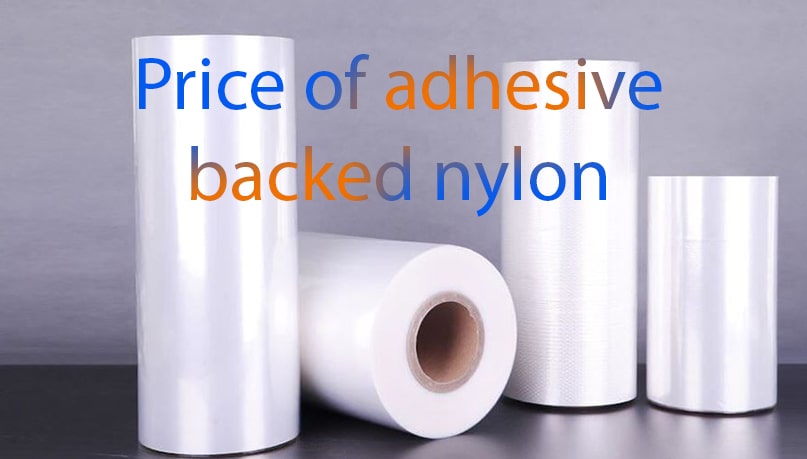
Price of adhesive-backed nylon
Types of Self-Adhesive Nylon and Their Impact on Price
Self-adhesive nylon comes in various types, each designed for specific applications, affecting the price of self-adhesive nylon. Azin Plast produces a diverse range of self-adhesive nylon to meet industry needs. Below are the main types:
1. Thin Self-Adhesive Nylon
With a thickness of 35 to 50 microns, this type is used for packaging lightweight products like fruits (apples, pomegranates, grapes) and vegetables (lettuce, cucumbers).
The price of self-adhesive nylon for thin films is generally lower due to reduced material usage. Azin Plast produces thin nylon with gentle adhesion for sensitive products.
2. Thick Self-Adhesive Nylon
Thicker nylon (70 to 150 microns) is used to protect heavy equipment, such as tractor parts, irrigation systems, or metal sheets. The price of self-adhesive nylon for thick films is higher due to increased material and additives like UV resistance. Azin Plast ensures durability for demanding applications.
3. Printed Self-Adhesive Nylon
This type allows for custom printing of logos, product details, or instructions. The price of self-adhesive nylon for printed films is higher due to additional printing costs, but it enhances branding. Azin Plast offers high-quality roll label printing for professional packaging.
4. UV-Resistant Self-Adhesive Nylon
Designed for outdoor use, such as covering crops or equipment in open fields, UV-resistant nylon includes additives that increase the price of self-adhesive nylon. Azin Plast produces UV-resistant films that withstand harsh sunlight.
5. Biodegradable Self-Adhesive Nylon
With growing environmental concerns, Azin Plast is developing biodegradable self-adhesive nylon that decomposes after use. The price of self-adhesive nylon for biodegradable options is higher due to specialized materials, but it appeals to eco-conscious customers.
6. Self-Adhesive Nylon for Insect Traps
This type is designed for pest control in agriculture, with strong adhesion to trap insects. The price of self-adhesive nylon for insect traps may be higher due to specialized adhesive formulations.
Price of adhesive-backed nylon
Applications of Self-Adhesive Nylon Across Industries
The versatility of self-adhesive nylon makes it valuable across various sectors, with the price of self-adhesive nylon varying based on application-specific requirements. Below, we explore the primary applications:
1. Agricultural Product Packaging
Self-adhesive nylon is widely used for packaging fruits, vegetables, and other crops to protect against dust, moisture, and physical damage. The price of self-adhesive nylon for this application is cost-effective, especially when compared to product losses without protection. Azin Plast produces nylon with gentle adhesion for agricultural use.
2. Protection of Agricultural Equipment
Agricultural equipment like tractors, irrigation systems, and tools are prone to rust and environmental damage. Self-adhesive nylon serves as a protective layer, reducing maintenance costs. The price of self-adhesive nylon for thick films used in equipment protection is higher but saves money in the long term.
3. Pest and Insect Management
Self-adhesive nylon is used as sticky traps to capture pests in farms and greenhouses, reducing the need for chemical pesticides. The price of self-adhesive nylon for pest control is influenced by the stronger adhesive required. Azin Plast offers specialized films for this purpose.
4. Greenhouse Covering
In greenhouses, self-adhesive nylon is used for temporary coverings or plant protection against adverse weather. The price of self-adhesive nylon with UV resistance is higher, but it ensures optimal temperature and humidity. Azin Plast provides durable UV-resistant films.
5. Packaging for Livestock Feed
In the livestock industry, self-adhesive nylon is used to package feed like hay or silage, preventing air and moisture ingress. The price of self-adhesive nylon for this application reflects its durability and sealing capabilities. Azin Plast produces high-quality films for feed preservation.
6. Export Packaging
For export markets, product appearance and quality are critical. Self-adhesive nylon protects agricultural products like pistachios, pomegranates, or dates during shipping. The price of self-adhesive nylon for printed export packaging is higher but enhances market competitiveness.
7. Industrial Applications
In industries like automotive and construction, self-adhesive nylon protects sensitive surfaces like metal sheets, UPVC profiles, and electronic components. The price of self-adhesive nylon for industrial use depends on specialized features like anti-static properties.
Role of Azin Plast in Supplying Self-Adhesive Nylon
Since its establishment in 1998, Azin Plast Kimia has been a leading producer of self-adhesive nylon in Iran.
Using advanced machinery imported from Taiwan and high-quality raw materials, Azin Plast delivers products that meet diverse industry needs. Key features of Azin Plast products that influence the price of self-adhesive nylon include:
Superior Quality: Using premium low-density polyethylene for durable, transparent films.
Product Variety: Offering self-adhesive nylon in various thicknesses, sizes, and features (e.g., UV-resistant, biodegradable).
Professional Printing: Providing custom logo and information printing for branding.
Customer Support: Offering expert consultation to optimize the price of self-adhesive nylon for specific applications.
Sustainability Commitment: Developing biodegradable films to reduce environmental impact.
For detailed pricing and orders, visit Azin Plast’s official website (www.azinplast-kimia.com) or contact their sales team.
Economic Analysis of the Price of Self-Adhesive Nylon
The price of self-adhesive nylon directly impacts production costs and profitability across industries. Below, we analyze its economic benefits:
1. Reduced Waste Costs
Product waste, especially in agriculture, is a significant expense. Self-adhesive nylon can reduce waste by up to 40%. For example, in pomegranate farms in Yazd, Azin Plast’s self-adhesive nylon reduced waste from 30% to 12%, saving farmers millions annually.
2. Increased Product Value
Professional packaging with self-adhesive nylon enhances product appearance and quality, increasing market value. In pistachio exports to Europe, Azin Plast’s printed nylon improved branding, boosting demand by 25%.
3. Lower Maintenance Costs
Protecting equipment with self-adhesive nylon reduces repair and maintenance expenses. The **price of self-ad
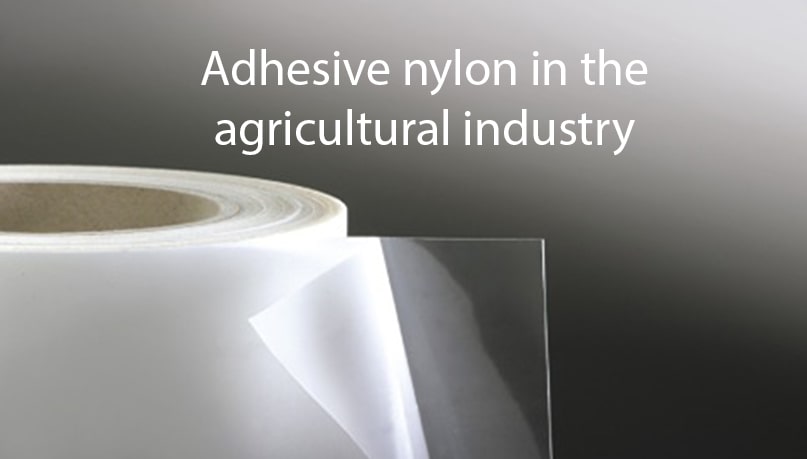
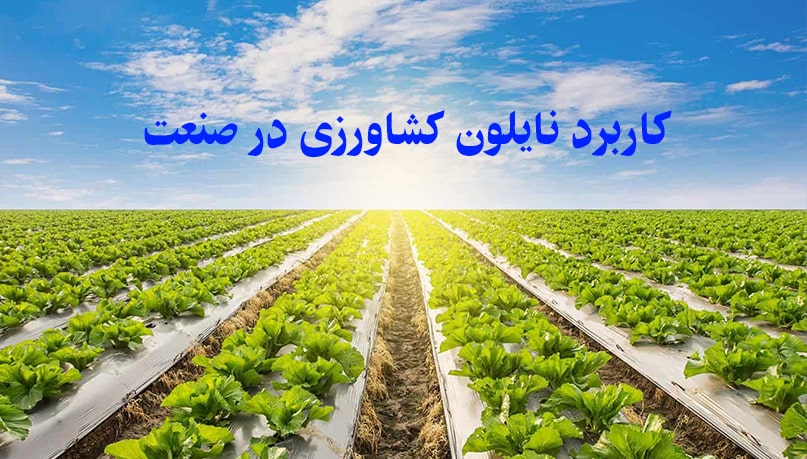
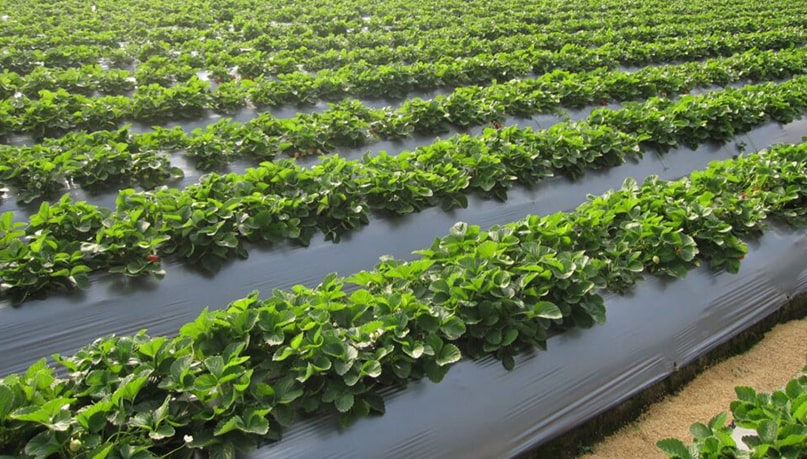
Application of adhesive-backed nylon in the agricultural industry
The use of self-adhesive nylon in the agricultural industry, as one of the key innovations in modern agriculture, plays a fundamental role in improving the production, packaging, and distribution processes of agricultural products.
With unique features such as mild adhesion, flexibility, resistance to environmental factors, and printability, this product has become an essential tool for farmers, manufacturers, and exporters.
Azin Plast Kimia Company, one of the pioneers in the production of self-adhesive nylon in Iran, has contributed significantly to improving the productivity of this industry by providing high-quality products tailored to agricultural needs.
Self-adhesive nylon, sometimes known as self-adhesive cellophane or self-adhesive protective film, is produced with a layer of low-
quality adhesive (Low Tack) that is easily removed from surfaces without leaving a trace.These features have led to the
widespread use of self-adhesive nylon in the agricultural industry in various sectors, from product packaging to equipment
protection and pest management.
In this comprehensive article, we will examine the various aspects of the use of self-adhesive nylon in the agricultural industry, its
types, benefits, challenges, production technologies, and the role of Azin Plast Company
Adhesive-backed nylon in the agricultural industry
The importance of using adhesive-backed nylon in the agricultural industry
The agricultural industry, as one of the main pillars of the Iranian and global economy, faces challenges such as reducing waste,
maintaining product quality, and competing in domestic and international markets.
The use of self-adhesive nylon in the agricultural industry as an innovative solution helps farmers manage these challenges and
increase their productivity.
This product is not only used in packaging and protecting agricultural products, but also plays a key role in pest management,
greenhouse covering, equipment protection, and even fodder packaging.
With more than two decades of experience in producing self-adhesive nylon, Azin Plast Company offers products tailored to the
specific needs of agriculture.Using advanced technologies and quality raw materials, the company produces nylons that are
resistant to moisture, sunlight, and temperature changes.
These features have made the use of self-adhesive nylon in the agricultural industry an essential tool for modern farmers,
especially in Iran, where agriculture plays an important role in the economy.
Key Benefits of Using Self-Adhesive Nylon in the Agricultural Industry
The use of self-adhesive nylon in the agricultural industry has several benefits that help improve product quality, reduce costs, and increase profitability.
Below, we will comprehensively mention the most important benefits:
Protection against environmental factors: Self-adhesive nylon protects agricultural products from dust, moisture, and insects.This
feature is especially important when packaging sensitive fruits such as pomegranates, kiwis, grapes, or vegetables such as lettuce and bell peppers.
Preventing physical damage: During the transportation process, agricultural products may be scratched, crushed, or otherwise
physically damaged.
The use of self-adhesive nylon in the agricultural industry as a protective layer minimizes this damage and maintains product quality.
Gentle and non-marking adhesion: The nylon adhesive produced by Azin Plast is designed to be easily removed and does not leave a mark on the product
The agricultural industry, as one of the main pillars of the Iranian and global economy, faces challenges such as reducing waste,
maintaining product quality, and competing in domestic and international markets.
The use of self-adhesive nylon in the agricultural industry as an innovative solution helps farmers manage these challenges and
increase their productivity.
This product is not only used in packaging and protecting agricultural products, but also plays a key role in pest management,
greenhouse covering, equipment protection, and even fodder packaging.
With more than two decades of experience in producing self-adhesive nylon, Azin Plast Company offers products tailored to the
specific needs of agriculture.Using advanced technologies and quality raw materials, the company produces nylons that are
resistant to moisture, sunlight, and temperature changes.
These features have made the use of self-adhesive nylon in the agricultural industry an essential tool for modern farmers,
especially in Iran, where agriculture plays an important role in the economy.
Key Benefits of Using Self-Adhesive Nylon in the Agricultural Industry
The use of self-adhesive nylon in the agricultural industry has several benefits that help improve product quality, reduce costs, and increase profitability.
Below, we will comprehensively mention the most important benefits:
Protection against environmental factors: Self-adhesive nylon protects agricultural products from dust, moisture, and insects.This feature is especially important when packaging sensitive fruits such as pomegranates, kiwis, grapes, or vegetables such as lettuce and bell peppers.
Preventing physical damage: During the transportation process, agricultural products may be scratched, crushed, or otherwise physically damaged.
The use of self-adhesive nylon in the agricultural industry as a protective layer minimizes this damage and maintains product quality.
Gentle and non-marking adhesion: The nylon adhesive produced by Azin Plast is designed to be easily removed and does not leave a mark on the product
History of the use of adhesive nylon in the agricultural industry
The use of self-adhesive nylon in the agricultural industry has its roots in the advances in plastics technology in the 20th century.
Self-adhesive nylon was first introduced in the 1960s for industrial and general packaging purposes, but with the advancement of technology and the growing needs of the agricultural industry, this product was gradually used in farms and greenhouses.
In Iran, companies such as Azin Plast began producing self-adhesive nylon for agricultural applications in the late 1990s and quickly gained a special place in the market due to the quality and flexibility of their products.
Initially, the use of self-adhesive nylon in the agricultural industry was limited to simple product packaging, but with the
development of printing technologies, special additives (such as anti-UV), and biodegradable materials, its applications expanded
significantly.Today, the product is used in various agricultural sectors, from pest management to equipment protection and export
packaging, and has become one of the key tools in modern agriculture
The evolution of adhesive nylon technology
In recent decades, the technology of producing self-adhesive nylon has made significant advances.
By utilizing advanced machinery and continuous research and development, Azin Plast Company has been able to produce products that meet the specific needs of agriculture.
Some of the key developments in this field include:
Anti-UV additives: To increase resistance to sunlight.
Advanced adhesives: Low Tack adhesives that are easily removed and leave no residue.
Biodegradable materials: To reduce environmental impact.
High-quality printing: For branding and providing product information.
These developments have made the use of self-adhesive nylon in the agricultural industry one of the most effective solutions to the challenges of this industry
Adhesive-backed nylon in the agricultural industry
Types of self-adhesive nylon and its applications in agriculture
The use of self-adhesive nylon in the agricultural industry is very wide due to the variety of types of this product.
Azin Plast Company covers the various needs of farmers by producing various types of self-adhesive nylon.
The main types of this product are reviewed below:
1. Thin self-adhesive nylon
This type of nylon is used for packaging light and sensitive agricultural products, such as fruits (apples, pomegranates, kiwi, grapes) and vegetables (lettuce, cucumber, bell pepper).
The low thickness of this nylon reduces the weight of the packaging, while providing adequate protection.
Azin Plast produces these nylons with a mild adhesive that is easily removed and does not leave a mark on the product.
2.Thick Adhesive Backed Nylon
Thicker nylons are used to protect agricultural equipment, such as tractor parts, irrigation systems, or hand tools.
These nylons are highly resistant to tearing, abrasion, and harsh weather conditions.
Azin Plast produces thick nylons with anti-UV additives that are suitable for use in open fields.
3. Printed Adhesive Backed Nylon
These nylons allow for the inclusion of information such as the brand name, production date, or maintenance instructions.
By providing roll label printing services, Azin Plast helps farmers and manufacturers to package their products professionally and stand out in the competitive market.
This feature is especially important in the export of agricultural products.
4.UV-resistant self-adhesive nylon
For applications where nylon is exposed to sunlight, such as covering crops in open fields or greenhouses, UV-resistant nylons are essential.
These nylons are produced with special additives that increase their lifespan.
In this field, Azin Plast offers high-quality products that are suitable for harsh weather conditions.
5. Biodegradable self-adhesive nylon
With increasing attention to environmental issues, Azin Plast is developing biodegradable self-adhesive nylons that decompose after use and have a lower impact on the environment.
This type of nylon is an ideal option for farmers who care about environmental sustainability.
6.Adhesive-backed nylon for insect traps
This type of nylon is designed to make sticky traps for pest management in farms and greenhouses.
The strong adhesion of these nylons traps insects without harming the plants.
Azin Plast produces nylons with standard adhesion for this purpose.
7. Adhesive-backed nylon with special properties
Some adhesive-backed nylons are produced with special properties such as chemical resistance or anti-static.
These nylons are suitable for specialized applications, such as protecting sensitive equipment from dust or chemicals
Wide Applications of Self-Adhesive Nylon in the Agricultural Industry
The use of self-adhesive nylon in the agricultural industry can be seen in various parts of this industry, from the planting stage to harvesting and distribution.
Below, we will comprehensively review these applications:
1. Packaging of agricultural products
One of the most common uses of self-adhesive nylon in the agricultural industry is the packaging of products such as fruits, vegetables, and greens.
These nylons protect the products from dust, moisture, and physical damage.
For example, in the packaging of grapes for export, self-adhesive nylon prevents crushing or scratching and maintains the appearance of the product.
Azin Plast produces nylons with suitable adhesion for this purpose that are easily removed and do not leave a mark on the product.
2.Protecting Agricultural Equipment
Agricultural equipment, such as tractors, irrigation pumps, or harvesting tools, is exposed to rust, dust, and environmental damage.
The use of adhesive-backed nylon in the agricultural industry as a protective cover for this equipment protects it from moisture, sunlight, and dust.
Azin Plast produces thick and durable nylons for this application, which are very practical in farms and warehouses.
3. Pest and insect management
The use of adhesive-backed nylon in the agricultural industry is very effective in pest management.
These nylons are used as sticky traps to attract and trap harmful insects in fields and greenhouses.
This method is especially popular in organic farming, as it reduces the need for chemical pesticides.The self-adhesive nylons produced by Azin Plast trap insects with proper adhesion without harming the plants.
4. Greenhouse Covering and Plant Protection
In greenhouses, the use of self-adhesive nylons in the agricultural industry is used to create temporary covers or protect plants from adverse weather conditions, such as strong wind, rain, or cold.
These nylons can regulate temperature and humidity and help plants grow better.
Azin Plast offers UV-resistant nylons for this purpose that are resistant to sunlight.
5. Packaging of fodder and livestock products
In the livestock sector, the use of self-adhesive nylons in the agricultural industry for packaging fodder, such as hay or silage, is
very common.By creating a closed environment, these nylons prevent air and moisture from penetrating and maintain the quality
of the forage for a long time (up to 12 months).
Azin Plast produces highly resistant products for this application that are very popular in livestock farms.
6. Protecting seedlings and young trees
The use of adhesive-backed nylon in the agricultural industry includes protecting seedlings and young trees from pests, cold, or mechanical damage.
By wrapping the nylon around the trunks of trees, insect attacks or damage caused by agricultural tools can be prevented.
Azin Plast offers thin and flexible nylons for this purpose that can be easily installed and removed.
7. Packaging for export
In export markets, the appearance and quality of agricultural products are of great importance.The use of self-adhesive nylon in the agricultural industry plays a key role in the professional packaging of products for export, especially to the Middle East, Europe, and Central Asia markets.
These nylons protect products from transportation damage and allow for printing of brand information.
By providing printed nylons, Azin Plast helps exporters to present their products in a professional manner.
8. Use in hydroponic and vertical farming systems
In hydroponic and vertical farming, the use of self-adhesive nylon in the agricultural industry is used to protect cultivation systems and prevent nutrient leakage.
These nylons can act as covers for tanks, nutrient transfer pipes, or cultivation surfaces.Azin Plast produces nylons with high resistance to moisture and chemicals for this application.
9. Protecting products in warehouses
The use of adhesive-backed nylons in the agricultural industry is very common in warehouses to protect stored products, such as grains, fruits, or vegetables.
These nylons protect products from dust, moisture, and pests and increase their shelf life.
Azin Plast offers nylons with suitable adhesion for this purpose.
10. Use in packaging of flowers and ornamental plants
In the flower and ornamental plant industry, the application of adhesive-backed nylons in the agricultural industry is used to
package sensitive flowers and plants, such as roses, orchids, or houseplants.
These nylons protect petals and leaves from physical damage and allow for safe transportation.Azin Plast produces thin,
transparent nylons for this application
Azin Plast Company’s Role in Providing Self-Adhesive Nylon
Azin Plast Kimia Company has been operating in the field of producing various types of nylon, including self-adhesive nylons for
the use of self-adhesive nylon in the agricultural industry since 1998.
Using advanced machinery imported from Taiwan and quality raw materials, the company produces products that meet the diverse needs of agriculture.
Key features of Azin Plast products include:
Superior quality: Using standard raw materials and advanced technology to produce resistant and durable nylons.
Product diversity: Providing self-adhesive nylons in various thicknesses, sizes, and features (such as anti-UV, biodegradable, or printed).
Professional printing services: Possibility of printing logos, product information, or custom designs for branding and
marketing.Customer Support: Providing expert advice on selecting the right nylon for agricultural applications.
Commitment to Sustainability: Research and Development to produce biodegradable nylons and reduce environmental impact.
Flexibility in Production: Ability to produce custom nylons based on specific customer needs.
With a focus on quality, innovation, and customer service, Azin Plast has become one of the leading suppliers of self-adhesive
nylon for self-adhesive nylon applications in the agricultural industry, helping farmers, ranchers, and exporters increase their
productivity and profitability.Comparison of adhesive-backed nylon with other packaging materials
To better understand the application of adhesive-backed nylon in the agricultural industry, it is useful to compare it with other
packaging materials such as paper, conventional plastics, or composite materials:
Adhesive-backed nylon vs. paper: Paper is suitable for packaging lightweight agricultural products, but has low resistance to moisture and tearing.
The use of adhesive-backed nylon in the agricultural industry is a superior option for packaging sensitive products due to its high resistance to moisture, sunlight, and tearing.
Azinplast nylons with mild adhesion offer better protection.
Adhesive-backed nylon vs. conventional plastics: Conventional plastics may not have adhesion and are not suitable for protecting sensitive surfaces.The use of self-adhesive nylon in the agricultural industry is ideal for packaging fruits and vegetables or protecting equipment due to its mild adhesion and easy release.
Self-adhesive nylon vs. composite materials: Composite materials, such as multilayer films, may have higher strength, but their production cost is higher.
Azin Plast self-adhesive nylons offer similar performance at a lower cost and are more economical for agricultural applications.
Self-adhesive nylon vs. protective fabrics: Protective fabrics are used for some applications, such as covering plants, but they do
not have the flexibility and adhesion of self-adhesive nylon.
The use of self-adhesive nylon in the agricultural industry is superior due to its easy installation and ability to be used on various
surfaces.Technologies for producing self-adhesive nylon
The production of self-adhesive nylon for the application of self-adhesive nylon in the agricultural industry requires advanced technologies and quality raw materials.
Azin Plast Company uses the following processes to produce self-adhesive nylons:
Film extrusion: Nylon is produced in the form of thin or thick films using advanced machinery.
Adhesive coating: A low-quality adhesive layer (Low Tack) is carefully applied to the nylon to ensure proper adhesion and easy separation.
Special additives: Anti-UV, anti-static, or biodegradable additives are added to improve the performance of the nylon.
Printing and cutting: Nylons are cut to custom sizes and can be printed with custom information or designs.Quality Control: Strict
tests are carried out to ensure the strength, adhesion, and durability of the nylon.
Using these technologies, Azin Plast produces nylons that meet international standards and are suitable for agricultural applications.
Economic Analysis of the Use of Adhesive-Backed Nylon in the Agricultural Industry
The use of adhesive-backed nylon in the agricultural industry has significant economic impacts on farmers, manufacturers, and exporters.
Below, we will discuss some of the economic aspects of this product:
1. Reducing Waste Costs
Waste of agricultural products, especially during transportation and storage, is one of the main challenges of this industry.
Based on hypothetical data, the use of adhesive-backed nylon in the agricultural industry can reduce waste by up to 40%.For example, in tomato farms in Varamin, the use of Azin Plast self-adhesive nylon has reduced waste from 25% to 10%, which means annual savings of millions of tomans for farmers.
2. Increasing the value of products in the market
Professional packaging with self-adhesive nylon maintains the appearance and quality of products and increases their value in the market.
For example, in pomegranate exports to the Persian Gulf countries, the use of Azin Plast printed self-adhesive nylon has made Iranian products stand out compared to competitors and earn a higher price.
3. Reducing equipment maintenance costs
The use of self-adhesive nylon in the agricultural industry to protect equipment reduces maintenance costs.For example, covering tractors or irrigation systems with Azin Plast self-adhesive nylon can prevent rust and environmental damage and increase the useful life of the equipment by up to 30%.
4. Saving on chemical pesticides
Using self-adhesive nylon as insect traps reduces the need for chemical pesticides.
This not only reduces farmers’ costs, but also helps produce organic and environmentally friendly products.
5. Improving export profitability
The use of self-adhesive nylon in the agricultural industry in export packaging has led to increased demand in international markets.
For example, in the export of pistachios to Europe, Azin Plast printed nylons have helped improve branding and product
protection, increasing exporters’ profitability by up to 20%.A Practical Guide to Using Self-Adhesive Nylon in Agriculture
To make the most of self-adhesive nylon in the agricultural industry, farmers should consider the following points:
1. Choosing the Right Nylon
Nylon Thickness: Choose thin nylon for packaging light products such as fruits and thick nylon for heavy equipment.
UV Resistance: In open fields, Azin Plast UV-resistant nylons are recommended.
Adhesive Quality: The adhesive should be gentle so as not to damage the product and be easily removed.
Suitable Dimensions: The nylon should be appropriate for the size of the product or surface to be covered.
Reputable Brand: Choosing nylon from brands such as Azin Plast guarantees quality and performance.
2. Installation and Usage Methods
Product Packaging: Wrap the nylon evenly around the product and ensure proper overlap for complete protection.Equipment
protection: Install nylon on clean, dry equipment surfaces and secure the edges to prevent dust or moisture from entering.
Insect traps: Install adhesive-backed nylon in areas of high insect traffic (such as greenhouse entrances) and periodically check
and replace.
3. Maintenance and recycling
Collect used nylons separately and deliver to recycling centers.
Use Azin Plast biodegradable nylons to reduce environmental impact
Application of Adhesive Backed Nylon in the Agricultural Industry
To better understand the application of adhesive backed nylon in the agricultural industry, we will refer to some hypothetical and real case studies below:
Varamin Tomato Farms: Using Azin Plast adhesive backed nylon in tomato packaging for export reduced waste from 25% to 10%
and improved product quality for Persian Gulf markets.
Mashhad Cucumber Greenhouses: Azin Plast UV-resistant adhesive backed nylons were used as temporary coverings in
greenhouses and optimized temperature and humidity, which led to a 15% increase in cucumber production.
Hamedan Alfalfa Farms: Packaging fodder with Azin Plast adhesive backed nylon maintained fodder quality for more than 12
months and reduced livestock farmers’ costs by 20%.Kerman Pistachio Export: Azin Plast printed nylons were used to package
pistachios exported to Europe, increasing demand by 25% by improving branding.
Damavand Apple Farms: Using Azin Plast thin self-adhesive nylon for apple packaging reduced waste by 30% and improved the
appearance of the product for domestic markets.
Challenges and Solutions in the Use of Self-adhesive Nylon in the Agricultural Industry
Despite its numerous benefits, the use of self-adhesive nylon in the agricultural industry may come with some challenges:
Environmental Challenge: Plastic nylons may harm the environment.
Solution: Use Azin Plast biodegradable nylons and properly manage recycling.
Initial Cost: High-quality nylons may cost more.Solution: Choose durable products from Azin Plast that reduce long-term costs.
Inadequate adhesion: The adhesive of some nylons may be too strong or weak.
Solution: Test nylons before widespread use and choose products with standard adhesion from Azin Plast.
Lack of awareness among farmers: Some farmers are not familiar with the uses of adhesive-backed nylons.
Solution: Conduct training workshops by companies like Azin Plast to increase awareness.
Accessibility constraints: In some rural areas, access to quality nylons may be limited.
Solution: Expand Azin Plast’s distribution network to remote areas.The Future of Adhesive Nylon in the Agricultural Industry
With the growing need for sustainability and reduced environmental impact, the future of adhesive nylon in the agricultural industry is moving towards the production of biodegradable and environmentally friendly products.
Azin Plast Company is conducting research and development to produce nylons that decompose after use and have fewer negative impacts on the environment.
Some of the future trends in this field include:
Smart nylons: Nylons with the ability to display temperature, humidity, or product quality.
Nanocomposite materials: Using nanotechnology to increase the strength and reduce the weight of nylon.
Automation in packaging: Developing automated systems for installing adhesive nylon in farms and greenhouses.Increasing use in
vertical farming: As vertical farming expands in cities, the use of self-adhesive nylon in the agricultural industry will grow in this area.
In addition, with the increasing demand for organic and export agricultural products, self-adhesive nylon will play a more
important role in professional packaging and product protection. Companies like Azin Plast, by focusing on innovation, can meet these needs well.
Conclusion
The use of self-adhesive nylon in the agricultural industry as a multi-purpose tool has many positive effects on productivity,
reducing waste, and improving the quality of agricultural products.
From fruit and vegetable packaging to equipment protection, pest management, and export packaging, this product helps farmers
turn the challenges of the agricultural industry into opportunities for growth.Azin Plast Kimia Company plays a key role in meeting
the needs of this industry by producing high-quality and diverse adhesive nylons.
For more information about the use of adhesive-backed nylon in the agricultural industry and purchasing Azin Plast products, you
can visit the company’s official website or contact its experts.
By choosing the right nylons and using modern technologies, the agricultural industry can move towards a more sustainable,
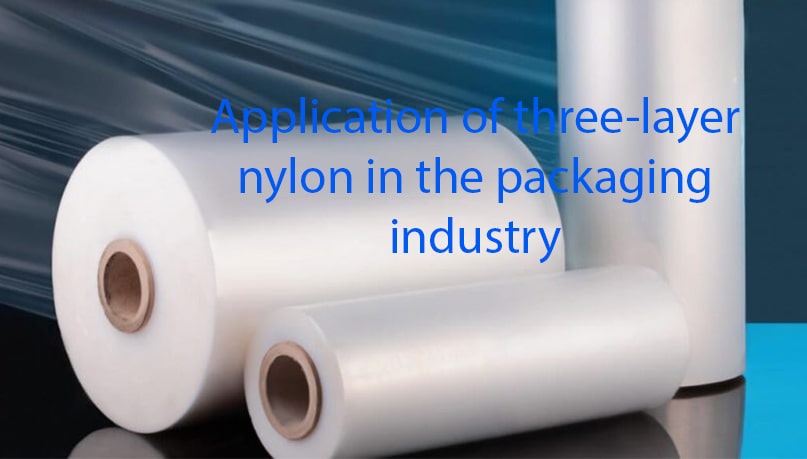
Application of three-layer nylon in the packaging industry
Tri-layer nylon, also known as multilayer polymer film, is one of the most advanced and widely used materials in the packaging industry.
Due to its multilayer structure, which is a combination of various polymer materials such as polyethylene (PE), polypropylene (PP),
and polyethylene terephthalate (PET), this type of nylon offers unique features such as high strength, moisture protection, and printability.
Azin Plast Kimia Company, one of the pioneers in the production of tri-layer nylon in Iran, and especially in the city of Mashhad,
plays an important role in meeting the needs of the packaging industry by utilizing advanced technologies and providing high-
quality roll label printing services.This comprehensive article examines the applications of tri-layer nylon in the packaging industry,
its types, benefits, manufacturing process, innovations, and environmental impacts, and shows how Azin Plast helps improve
packaging processes.
What is tri-layer nylon?
Tri-layer nylon is a type of polymer film that is composed of three layers of plastic materials with different properties.
Each layer performs specific functions such as mechanical strength, insulation, or printability.
For example, the inner layer may be made of light polyethylene (LDPE) for flexibility, the middle layer of high-density polyethylene
(HDPE) for strength, and the outer layer of polypropylene (PP) for printability and moisture resistance.This multilayer structure
makes the three-layer nylon resistant to oxygen, moisture, and light penetration, making it ideal for packaging sensitive products
such as food, pharmaceutical, and industrial products.
Using advanced machinery imported from Taiwan, Azin Plast Kimia produces high-quality three-layer nylons in various thicknesses
that are suitable for various packaging applications
Application of three-layer nylon in the packaging industry
History and Evolution of Tri-Layer Nylon
Multi-layer nylons were introduced in the 1970s with the advancement of extrusion and lamination technologies.
Initially, these materials were used to package long-lasting food products such as canned goods and frozen products.
With the development of polymer technologies and lamination adhesives, tri-layer nylons have become one of the most widely used materials in various industries.
Today, these nylons are used in the packaging of a variety of products, from food to medical and industrial equipment.
Since 1998, Azin Plast has been producing tri-layer nylons with global standards and supplying them to domestic and international markets, focusing on quality and innovation.Importance of tri-layer nylon in the packaging industry
Tri-layer nylon has become one of the most important materials in the packaging industry due to the following features:
Excellent protection: The multilayer structure of this nylon protects products from moisture, oxygen, light, and microbes.
Design flexibility: Possibility of production in different thicknesses, colors, and sizes for various applications.
High printability: The outer layer of tri-layer nylon is suitable for printing logos, product information, and advertising designs.
Mechanical strength: Resistance to tearing, punctures, and mechanical pressures.
Economical cost: Despite its advanced features, tri-layer nylon is cost-effective compared to other materials such as metal or glass.
Recyclability: Some types of tri-layer nylon are recyclable, helping to reduce environmental impact.High durability: These nylons
increase the shelf life of products and reduce waste.
By producing three-layer nylons with customized features, Azin Plast Kimia allows manufacturers to design safe, attractive, and
tailored packaging to their needs.
Types of three-layer nylon in the packaging industry
Three-layer nylon in the packaging industry is divided into different types, each with its own specific applications:
1. Transparent three-layer nylon
Transparent nylon is used for products that need to display the internal contents of the package, such as dry foods (nuts, legumes) or health products.
These nylons allow the product to be viewed without opening the package.
Azin Plast produces transparent three-layer nylons with high strength and excellent printability.
2.Metallized Nylon 3-Layer
Metallized nylons have a metal layer (usually aluminum) that increases resistance to light and oxygen.
This type of nylon is suitable for packaging products such as chips, coffee, and spices. Azin Plast Kimia offers high-quality metallized nylons for these applications.
3. Printed Nylon 3-Layer
This type of nylon allows for printing logos, product information, or promotional designs.
Printing on three-layer nylon helps with branding and attracting customer attention.
By providing high-quality roll label printing services in Mashhad, Azin Plast helps manufacturers provide attractive and professional packaging.
4.Temperature-resistant tri-layer nylon
These nylons are designed for packaging products that require heat processes such as pasteurization or sterilization, such as ready-made foods or canned products.
These nylons are resistant to high temperatures.
5. Biodegradable tri-layer nylon
With increasing attention to environmental issues, biodegradable tri-layer nylons are produced using degradable polymers.
These nylons are suitable for packaging products that require environmental compatibility.
6. Antistatic tri-layer nylon
This type of nylon is used to package sensitive electronic products such as printed circuits or computer components to prevent the
accumulation of electrical charge.Applications of three-layer nylon in various industries
Three-layer nylon has a wide range of applications in the packaging industry.
Here are some of its most important applications in various industries:
1. Three-layer nylon in the food packaging industry
Three-layer nylon is used in the food industry to package products such as dairy products (milk, yogurt, cheese), dried fruits, snacks, frozen products, meat, and ready-made foods.
These nylons prevent the penetration of moisture, oxygen, and microbes and increase the shelf life of the product.
For example, three-layer metallized nylons are very suitable for packaging chips and coffee.
Azin Plast meets the needs of this industry by producing hygienic three-layer nylons in accordance with food standards.Application example:
A dried fruit manufacturing company in Tehran used three-layer printed nylon produced by Azin Plast to package pistachios and almonds.
These nylons, with their logo and product information printed on them, not only protected the product from moisture, but also helped increase sales by attracting customer attention
2. Three-layer nylon in the pharmaceutical packaging industry
Three-layer nylon is used in the packaging of medicines, medical equipment, and laboratory kits.
These nylons are ideal for this industry due to their resistance to moisture and germs and their ability to be sterilized.
Azin Plast Kimia produces three-layer hygienic nylons with medical standards.
A medical equipment manufacturing company used three-layer nylon produced by Azin Plast to package disposable syringes.
These nylons prevented the penetration of germs and ensured product safety.
3. Three-layer nylon in the industrial packaging industry
In manufacturing industries, three-layer nylon is used to package products such as chemicals, industrial parts, and construction materials.
These nylons protect products from moisture, dust, and corrosion.Application example:
A chemical manufacturing company used moisture-resistant three-layer nylon produced by Azin Plast to package chemical fertilizers.
These nylons prevented moisture from penetrating into the package.
4. Three-layer nylon in the agricultural packaging industry
Three-layer nylon is used to package products such as seeds, fertilizers, and processed agricultural products.
These nylons protect products from moisture and light and increase their shelf life.
5. Three-layer nylon in the e-commerce packaging industry
three-layer nylon in the packaging industry
With the growth of e-commerce, three-layer nylon is used to package products such as electronics, clothing, and fragile products.
These nylons protect products from damage caused by transportation.Case Study:
An online store in Iran used three-layer nylon produced by Azin Plast to package smartphones.
These nylons protected the screen and body of the phone from scratches during mailing.
6. Three-layer nylon in the hygiene product packaging industry
Three-layer nylon is used in the packaging of products such as tissues, diapers, and sanitary napkins.
These nylons are an ideal option for this industry due to their resistance to moisture and germs.
The production process of three-layer nylon in the packaging industry
The production process of three-layer nylon includes the following steps:
Selection of raw materials: Polymer materials such as light polyethylene (LDPE), heavy polyethylene (HDPE), polypropylene (PP),
or polyethylene terephthalate (PET) are selected according to the product application.Multilayer extrusion: Each layer is melted
separately in extruders and formed into a thin film.
These layers are then bonded together using lamination adhesives or a coextrusion process.
Coating and lamination: If required, the layers are laminated with special adhesives or metal layers (such as aluminum for metallized nylon).
Printing (optional): Information, logos, or promotional designs are printed on the outer layer of nylon.
Azin Plast Kimia provides high-quality printing using advanced printing machines.
Cutting and packaging: The three-layer film is cut to the desired dimensions and packaged in rolls or sheets.
Quality control: The final product is checked for thickness, strength, adhesion of the layers, and printing quality.Less energy consumption: The production of tri-layer nylon uses less energy compared to other materials such as glass or metal.
Biodegradable nylons: Some tri-layer nylons are produced with biodegradable polymers that break down in the environment.
By investing in green technologies, Azin Plast Kimia is developing biodegradable tri-layer nylons that help reduce environmental impacts.
Innovations in tri-layer nylon production in the packaging industry
The tri-layer nylon industry is evolving with technological advancements. Some recent innovations include:
Nanocomposite nylons: Adding nanoparticles to the layers to increase resistance to tearing, heat, and UV rays.
High Barrier Films: Nylons with greater resistance to oxygen and moisture penetration for packaging sensitive
products.Antibacterial nylons: Adding antibacterial materials to the layers for packaging health and medical products.
Advanced printing technologies: Using digital printing for complex and high-quality designs.
Smart nylons: Nylons that indicate the status of the product (such as freshness or temperature) by changing color or other
characteristics.
By following these innovations, Azin Plast is trying to offer products with higher quality and more diverse applications to the market.
The role of Azin Plast Kimia Company in the packaging industry
Azin Plast Kimia Company has been operating in Mashhad since 1998 in the field of producing three-layer nylon and other
packaging products.
The company produces products with global standards using advanced machinery imported from Taiwan and utilizing expert
manpower.Azin Plast’s key services include:
Production of three-layer nylon in clear, metalized, printed, and biodegradable varieties.
Providing high-quality roll label printing services for branding and advertising.
Production of custom nylons for specific applications such as food, pharmaceutical, or industrial packaging.
Expert advice to select the best type of nylon for customer needs.
Development of environmentally friendly nylons to reduce environmental impact.
To order three-layer nylon or receive advice, you can contact Azin Plast through the official website (www.azinplast-kimia.com) or
the company’s contact number
Application of three-layer nylon in the real packaging industry
To better understand the application of three-layer nylon, we will mention a few case studies below:
1. Dairy product packaging
A dairy company in Tehran used metallized three-layer nylon produced by Azin Plast to package cheese and yogurt.
These nylons prevented moisture and oxygen penetration and increased the shelf life of the products.
2. Coffee packaging
A coffee company used printed three-layer nylon produced by Azin Plast to package ground coffee.
Printing the logo and product information on the nylon helped increase brand recognition.
3. Medical equipment packaging
A medical equipment manufacturer used hygienic three-layer nylon produced by Azin Plast to package laboratory kits.
These nylons ensured the safety of the products with their antibacterial properties.
4.Three-layer nylon in the chemical fertilizer packaging industry
A chemical fertilizer company used moisture-resistant three-layer nylon produced by Azin Plast to package its products.
These nylons prevented moisture from penetrating into the package.
5. Three-layer nylon in the e-commerce packaging industry
An online store used three-layer nylon produced by Azin Plast to package electronic appliances.
These nylons protected the products from transportation damage.
Conclusion
Three-layer nylon has become one of the most important packaging materials in the packaging industry due to its unique
properties, including excellent protection, flexibility, printability, and recyclability.Azin Plast Kimia Company plays a key role in
meeting the needs of this industry by producing high-quality three-layer nylons and providing professional printing services.
By utilizing advanced technologies and focusing on innovation, the company offers products tailored to the needs of various
industries.
For more information and to order products, you can visit the Azin Plast website (www.azinplast-kimia.com) or contact the
نایلون شیرینگ (Shrink Film) یک فیلم پلاستیکی پلیمری است که با اعمال حرارت منقبض میشود و به شکل محصول درمیآید.
این ماده به دلیل ویژگیهای منحصربهفرد خود مانند شفافیت، مقاومت در برابر رطوبت و ضربه، و انعطافپذیری، به یکی از پرکاربردترین مواد بستهبندی در صنایع مختلف تبدیل شده است.
نایلون شیرینگ در صنعت از مواد اولیهای مانند پلیاتیلن (PE)، پلیوینیل کلرید (PVC)، و پلیالفین (POF) تولید میشود و در ضخامتهای متنوع (۱۵ تا ۴۰۰ میکرون) برای کاربردهای گوناگون عرضه میگردد.
آذین پلاست، یکی از پیشگامان تولید نایلون شیرینگ در ایران، با استفاده از فناوریهای پیشرفته و مواد اولیه باکیفیت، محصولاتی با استانداردهای بینالمللی ارائه میدهد که نیازهای صنایع مختلف را برآورده میکند.
این شرکت با تمرکز بر کیفیت و سفارشیسازی، نقش مهمی در توسعه کاربردهای نایلون شیرینگ در صنعت ایفا کرده است.
در این مقاله، به بررسی جامع کاربردهای نایلون شیرینگ در صنعت، انواع آن، مزایا و معایب، فرآیند تولید، و نقش شرکتهایی مانند آذین پلاست پرداختهایم.
هدف ما ارائه اطلاعات کامل و کاربردی برای فعالان صنعت، تولیدکنندگان، و مصرفکنندگان است.
کاربرد نایلون شیرینگ در صنعت
تاریخچه نایلون شیرینگ در صنعت
نایلون شیرینگ برای اولین بار در دهه ۱۹۳۰ میلادی به عنوان یک راهحل بستهبندی معرفی شد.
با پیشرفت فناوری پلیمرها در دهه ۱۹۵۰، استفاده از نایلون شیرینگ در صنعت به طور قابلتوجهی افزایش یافت.
در ایران، شرکتهایی مانند آذین پلاست از دهه ۱۳۷۰ شمسی با بهرهگیری از فناوریهای مدرن، تولید این محصول را بومیسازی کردند.
امروزه، نایلون شیرینگ به دلیل ویژگیهای اقتصادی و کاربردی، در بسیاری از صنایع ایران و جهان به یک استاندارد بستهبندی تبدیل شده است.
چرا نایلون شیرینگ در صنعت اهمیت دارد؟
نایلون شیرینگ به دلیل ویژگیهای زیر در صنایع مختلف جایگاه ویژهای دارد:
محافظت قوی: محافظت از محصولات در برابر رطوبت، گرد و غبار، و آسیبهای فیزیکی.
انعطافپذیری: قابلیت تولید در ابعاد و ضخامتهای مختلف برای بستهبندی محصولات کوچک تا تجهیزات صنعتی بزرگ.
هزینه اقتصادی: کاهش هزینههای بستهبندی و حملونقل در مقایسه با روشهای سنتی مانند کارتن یا چوب.
چاپپذیری: امکان چاپ لوگو، اطلاعات محصول، و تبلیغات برای تقویت برندسازی.
انواع نایلون شیرینگ در صنعت و کاربردهای آنها
نایلون شیرینگ در انواع مختلفی تولید میشود که هر کدام برای کاربردهای خاصی در صنایع طراحی شدهاند. در ادامه، انواع اصلی نایلون شیرینگ و کاربردهای آنها بررسی میشود.
۱. نایلون شیرینگ پلیاتیلن (PE)
نایلون شیرینگ پلیاتیلن به دلیل مقاومت بالا و انعطافپذیری، برای بستهبندی محصولات سنگین و بزرگ مناسب است.
این نوع نایلون در ضخامتهای ۲۰ تا ۴۰۰ میکرون تولید میشود و در برابر رطوبت و ضربه مقاومت بالایی دارد.
کاربردها نایلون شیرینگ در صنایع:
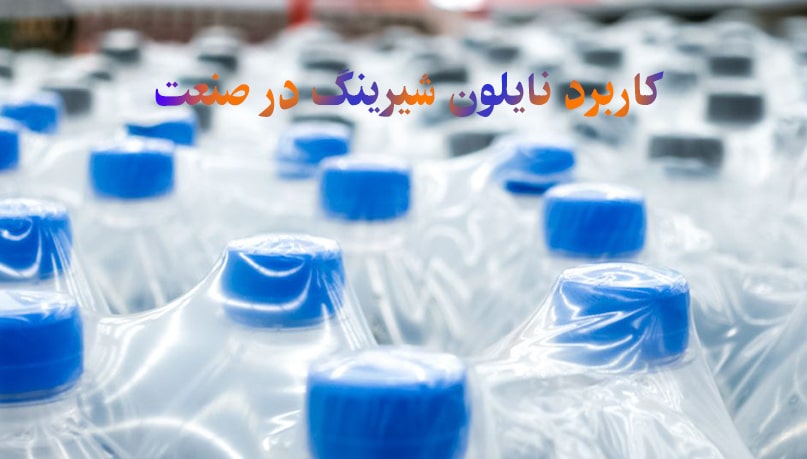
صنایع غذایی: بستهبندی بطریهای آب معدنی، نوشابه، و کنسروها به صورت چندتایی (مانند بستههای ۶ یا ۱۲ تایی).
صنایع ساختمانی: بستهبندی مصالح مانند کاشی، سرامیک، آجر، و پشم شیشه.
صنایع کشاورزی: بستهبندی کودهای شیمیایی، نهالها، و محصولات کشاورزی.
صنعت خودروسازی: محافظت از قطعات خودرو مانند بدنه، شیشه، و قطعات فلزی در برابر خط و خش.
لجستیک و حملونقل: بستهبندی پالتهای بزرگ برای حمل ایمن محصولات.
آذین پلاست با تولید نایلون شیرینگ پلیاتیلن در عرضهای تا ۸ متر و ضخامتهای مختلف، نیازهای صنایع سنگین را به خوبی برآورده میکند.
این شرکت همچنین امکان تولید نایلونهای سفارشی با ویژگیهای خاص مانند مقاومت در برابر UV را فراهم کرده است.
مزایای نایلون شیرینگ پلیاتیلن:
مقاومت بالا در برابر پارگی و فشار.
مناسب برای بستهبندی محصولات سنگین و نامنظم.
قابلیت بازیافت در صورت استفاده از مواد اولیه مناسب.
معایب:
شفافیت کمتر نسبت به PVC و POF.
نیاز به حرارت بالاتر برای انقباض.
۲. نایلون شیرینگ پلیوینیل کلرید (PVC)
نایلون شیرینگ PVC به دلیل شفافیت بالا و انقباض سریع در دمای پایینتر (۱۲۰ تا ۱۶۰ درجه سانتیگراد)، برای بستهبندی محصولاتی که نیاز به نمایش ظاهری دارند، مناسب است.
ضخامت این نوع نایلون معمولاً بین ۱۵ تا ۵۰ میکرون است.
کاربردها:
صنایع غذایی: بستهبندی نان، شیرینی، شکلات، و محصولات تازه.
صنایع دارویی: بستهبندی قرصها، کپسولها، و تجهیزات پزشکی.
صنایع الکترونیکی: محافظت از قطعات حساس مانند بردهای الکترونیکی.
بستهبندی تبلیغاتی: چاپ لوگو و اطلاعات محصول برای افزایش جذابیت بصری.
مزایا:
شفافیت بالا برای نمایش بهتر محصول.
انقباض سریع و یکنواخت.
هزینه تولید پایین.
معایب:
مقاومت کمتر در برابر پارگی نسبت به پلیاتیلن.
حساسیت به دماهای بالا که ممکن است باعث تغییر شکل شود.
۳. نایلون شیرینگ پلیالفین (POF)
نایلون شیرینگ پلیالفین به دلیل نرمی، شفافیت بالا، و سازگاری با محیط زیست، در صنایع غذایی و بهداشتی کاربرد گستردهای دارد.
این نوع نایلون در ضخامتهای ۱۲ تا ۴۰ میکرون تولید میشود.
کاربردها:
صنایع غذایی: بستهبندی میوهها، سبزیجات، و محصولات تازه.
صنایع بهداشتی: بستهبندی محصولات آرایشی مانند شامپو، صابون، و کرمها.
خردهفروشی: بستهبندی لوازمالتحریر، اسباببازیها، و محصولات کوچک.
مزایا:
سازگاری با محیط زیست (در صورت استفاده از مواد زیستتخریبپذیر).
شفافیت و براقیت بالا.
مناسب برای بستهبندی محصولات حساس.
معایب:
هزینه تولید بالاتر نسبت به PVC.
مقاومت کمتر در برابر فشارهای سنگین.
آذین پلاست با تولید نایلون شیرینگ پلیالفین با کیفیت بالا، به ویژه برای صنایع غذایی و بهداشتی، راهحلهایی ارائه میدهد که هم از نظر ایمنی و هم از نظر زیباییشناسی پاسخگوی نیازهای مشتریان است.
۴. نایلون شیرینگ رودهای
نایلون شیرینگ رودهای به صورت رولی با عرضهای بزرگ تولید میشود و برای بستهبندی محصولات حجیم و سنگین مناسب است.
این نوع نایلون معمولاً در ضخامتهای ۵۰ تا ۴۰۰ میکرون عرضه میشود.
کاربردها:
بستهبندی پالت: تثبیت محصولات روی پالتها در صنایع لجستیک.
صنایع سنگین: بستهبندی تجهیزات صنعتی مانند توربینها، ژنراتورها، و ماشینآلات.
صنعت کشاورزی: پوشش گلخانهها و بستهبندی محصولات حجیم.
مزایا:
مناسب برای بستهبندی محصولات بزرگ و نامنظم.
مقاومت بالا در برابر پارگی و فشار.
قابلیت تولید در عرضهای بزرگ.
معایب:
نیاز به تجهیزات پیشرفته برای شیرینگ کردن.
شفافیت کمتر نسبت به POF و PVC.
مزایای نایلون شیرینگ در صنعت
استفاده از نایلون شیرینگ در صنعت مزایای متعددی دارد که آن را به یکی از محبوبترین گزینههای بستهبندی تبدیل کرده است:
۱. محافظت قوی از محصولات
نایلون شیرینگ با ایجاد یک لایه محافظتی، محصولات را در برابر عوامل محیطی مانند رطوبت، گرد و غبار، و ضربه ایمن میکند.
این ویژگی در صنایعی مانند غذایی و دارویی که حساسیت بالایی دارند، بسیار مهم است.
کاربرد نایلون شیرینگ در صنعت
۲. کاهش هزینههای تولید و حملونقل
نایلون شیرینگ به دلیل وزن سبک و هزینه تولید پایین، نسبت به روشهای سنتی مانند کارتن یا جعبههای چوبی، اقتصادیتر است.
این امر به کاهش هزینههای کلی تولید و حملونقل کمک میکند.
۳. بهبود برندسازی
نایلون شیرینگ امکان چاپ لوگو، اطلاعات محصول، و تبلیغات را فراهم میکند.
شرکت آذین پلاست خدمات چاپ باکیفیت روی نایلون شیرینگ ارائه میدهد که به افزایش جذابیت بصری و شناخت برند کمک میکند.
۴. انعطافپذیری در بستهبندی
نایلون شیرینگ در ابعاد و ضخامتهای مختلف تولید میشود و برای بستهبندی محصولات کوچک (مانند لوازمالتحریر) تا تجهیزات صنعتی بزرگ (مانند ماشینآلات) مناسب است.
۵. سهولت در حملونقل
نایلون شیرینگ با چسبیدن محکم به محصولات، جابجایی آنها را آسانتر میکند و از پراکندگی اقلام در پالتها جلوگیری میکند.
این ویژگی در لجستیک و انبارداری بسیار ارزشمند است.
۶. سازگاری با محیط زیست
با پیشرفت فناوری، نایلونهای شیرینگ زیستتخریبپذیر و بازیافتپذیر در حال توسعه هستند.
شرکتهایی مانند آذین پلاست در تلاشند تا با استفاده از مواد اولیه سازگار با محیط زیست، تأثیرات زیستمحیطی را کاهش دهند.
معایب و چالشهای نایلون شیرینگ در صنعت
با وجود مزایای متعدد، نایلون شیرینگ نیز چالشهایی دارد که باید در نظر گرفته شوند:
۱. تأثیرات نایلون شیرینگ در صنعت زیستمحیطی
نایلونهای سنتی مانند PVC و PE به دلیل تجزیهپذیری پایین، ممکن است به محیط زیست آسیب برسانند.
با این حال، شرکتهایی مانند آذین پلاست با تولید نایلونهای بازیافتپذیر و زیستتخریبپذیر، در حال رفع این مشکل هستند.
۲. نیاز به تجهیزات خاص
برای شیرینگ کردن نایلون، به دستگاههای حرارتی مانند تونل شیرینگ یا سشوار صنعتی نیاز است که ممکن است برای کسبوکارهای کوچک هزینهبر باشد.
۳. حساسیت به دما
برخی انواع نایلون شیرینگ (مانند PVC) در دماهای بالا ممکن است تغییر شکل دهند یا کیفیت خود را از دست بدهند.
۴. محدودیت در شفافیت
نایلونهای ضخیمتر (مانند PE) شفافیت کمتری دارند که ممکن است برای بستهبندی محصولات تزئینی مناسب نباشد.
کاربردهای نایلون شیرینگ در صنایع خاص
نایلون شیرینگ در صنایع مختلف کاربردهای گستردهای دارد.
در ادامه، به بررسی دقیق کاربردهای آن در برخی صنایع کلیدی میپردازیم.
۱. صنایع غذایی
نایلون شیرینگ در صنعت غذایی برای بستهبندی محصولات تازه، کنسروها، و نوشیدنیها استفاده میشود.
این ماده با ایجاد یک لایه محافظتی، از آلودگی و فساد مواد غذایی جلوگیری میکند.
مثالها:
بستهبندی بطریهای نوشیدنی: بستهبندی چندتایی بطریهای آب معدنی و نوشابه با نایلون شیرینگ پلیاتیلن.
بستهبندی محصولات تازه: بستهبندی میوهها و سبزیجات با نایلون شیرینگ پلیالفین برای حفظ تازگی.
بستهبندی نان و شیرینی: استفاده از نایلون شیرینگ PVC برای نمایش بهتر محصول و محافظت از آن.
آذین پلاست با تولید نایلون شیرینگ بهداشتی و مطابق با استانداردهای غذایی، به برندهای معتبر غذایی کمک میکند تا محصولات خود را با کیفیت بالا عرضه کنند.
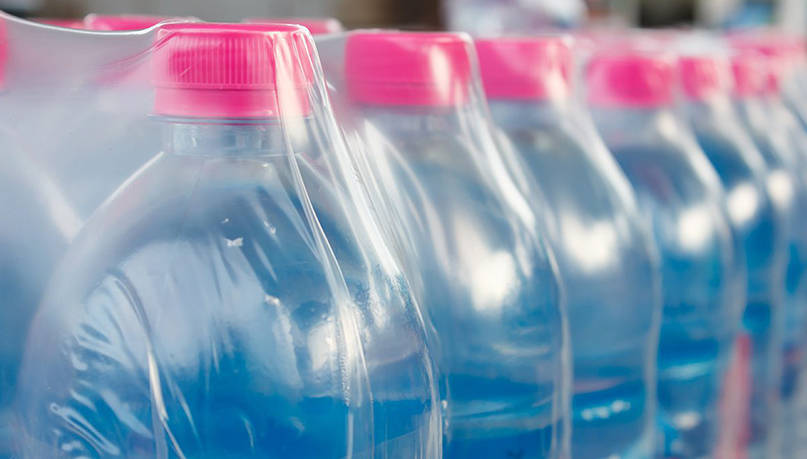
1.نایلون شیرینگ در صنعت بستهبندی آب معدنی
یک شرکت تولید آب معدنی در ایران با همکاری آذین پلاست، نایلون شیرینگ پلیاتیلن با ضخامت ۳۰ میکرون را برای بستهبندی بطریهای ۱.۵ لیتری خود استفاده کرد.
این نایلون با چاپ لوگوی شرکت، نه تنها محافظت از بطریها را تضمین کرد، بلکه به افزایش شناخت برند در بازار کمک کرد.
نتیجه این همکاری، کاهش ۲۰ درصدی هزینههای بستهبندی و افزایش ۱۵ درصدی فروش بود.
۲. نایلون شیرینگ در صنعت کشاورزی
در صنعت کشاورزی، نایلون شیرینگ برای بستهبندی محصولات کشاورزی، کودها، و نهالها استفاده میشود.
این ماده از محصولات در برابر رطوبت و آفات محافظت میکند.
مثالها:
بستهبندی کودهای شیمیایی: استفاده از نایلون شیرینگ رودهای برای بستهبندی کیسههای ۵۰ کیلوگرمی کود.
پوشش گلخانهها: استفاده از نایلون شیرینگ مقاوم در برابر UV برای پوشش گلخانهها.
بستهبندی نهالها: محافظت از نهالها در برابر آسیبهای حملونقل.
بستهبندی کود شیمیایی
یک تولیدکننده کود شیمیایی با استفاده از نایلون شیرینگ پلیاتیلن تولیدی آذین پلاست، توانست کیسههای کود خود را به صورت پالتبندی ایمن بستهبندی کند.
این کار باعث کاهش ۳۰ درصدی خسارات ناشی از پارگی کیسهها در حملونقل شد.
۳. نایلون شیرینگ در صنعت خودروسازی
نایلون شیرینگ در صنعت خودروسازی برای محافظت از قطعات در برابر خط و خش، گرد و غبار، و رطوبت استفاده میشود.
این ماده به ویژه برای بستهبندی قطعات صادراتی کاربرد دارد.
مثالها:
بستهبندی بدنه خودرو: محافظت از بدنه خودرو در حین حملونقل بینالمللی.
بستهبندی قطعات کوچک: بستهبندی قطعات حساس مانند سنسورها و قطعات الکترونیکی.
پوشش شیشههای خودرو: جلوگیری از خط و خش روی شیشهها.
۴. نایلون شیرینگ در صنعت ساختمانی
نایلون شیرینگ در صنعت ساختمان برای بستهبندی مصالح مانند کاشی، سرامیک، و پشم شیشه استفاده میشود.
این ماده از مصالح در برابر رطوبت و آسیبهای فیزیکی محافظت میکند.
مثالها:
بستهبندی کاشی و سرامیک: تثبیت پالتهای کاشی برای حمل ایمن.
بستهبندی پشم شیشه: محافظت از پشم شیشه در برابر رطوبت.
پوشش تجهیزات ساختمانی: محافظت از ابزار و تجهیزات در محل ساختوساز.
۵. نایلون شیرینگ در صنعت لجستیک و حملونقل
نایلون شیرینگ در لجستیک برای تثبیت محصولات روی پالتها و جلوگیری از پراکندگی آنها استفاده میشود.
این ماده به کاهش خسارات در حین حملونقل کمک میکند.
مثالها:
بستهبندی پالتهای صادراتی: تثبیت محصولات صادراتی مانند مواد غذایی و صنعتی.
بستهبندی تجهیزات صنعتی: محافظت از ماشینآلات در حین حملونقل بینالمللی.
فرآیند تولید نایلون شیرینگ
نایلون شیرینگ از طریق فرآیند اکستروژن تولید میشود.
این فرآیند شامل مراحل زیر است:
ذوب مواد اولیه: مواد پلیمری (PE، PVC، یا POF) در دمای بالا (معمولاً ۱۸۰ تا ۲۵۰ درجه سانتیگراد) ذوب میشوند.
اکستروژن: مواد مذاب از طریق قالب به شکل فیلم نازک درمیآیند.
سرد کردن: فیلم نازک با عبور از غلتکهای خنککننده سرد میشود.
برش و رول کردن: فیلم به صورت رول یا پاکت برش داده شده و بستهبندی میشود.
آذین پلاست با استفاده از دستگاههای اکستروژن پیشرفته، نایلون شیرینگ با کیفیت بالا و ضخامتهای یکنواخت تولید میکند.
این شرکت همچنین امکان افزودن افزودنیهایی مانند مقاومکننده UV یا مواد ضداستاتیک را به نایلون فراهم میکند.
روشهای شیرینگ کردن:
دستی: با استفاده از سشوار صنعتی، مناسب برای تیراژ کم.
نیمهاتوماتیک: با دستگاههای نیمهاتوماتیک برای تولید متوسط.
اتوماتیک: با تونلهای شیرینگ پیشرفته برای تولید انبوه.
نکات ایمنی در استفاده از نایلون شیرینگ
استفاده از نایلون شیرینگ در صنعت نیازمند رعایت نکات ایمنی است:
کیفیت مواد اولیه: نایلونهای بیکیفیت ممکن است در صنایع غذایی باعث آلودگی شوند. آذین پلاست با استفاده از مواد اولیه استاندارد، این خطر را به حداقل میرساند.
نگهداری مناسب: رولهای نایلون باید به صورت افقی نگهداری شوند تا از تغییر شکل جلوگیری شود.
حرارتدهی ایمن: استفاده از دستگاههای استاندارد برای جلوگیری از سوختگی یا آسیب به محصول.
مقایسه نایلون شیرینگ با سایر مواد بستهبندی
برای درک بهتر جایگاه نایلون شیرینگ در صنعت، مقایسه آن با سایر مواد بستهبندی ضروری است:
۱. نایلون شیرینگ در مقابل کارتن
مزایا نسبت به کارتن:
وزن سبکتر و کاهش هزینههای حملونقل.
مقاومت در برابر رطوبت.
امکان نمایش محصول به دلیل شفافیت.
معایب:
مقاومت کمتر در برابر فشارهای سنگین.
نیاز به تجهیزات شیرینگ.
۲. نایلون شیرینگ در مقابل فیلم استرچ
مزایا نسبت به استرچ:
انقباض کامل و چسبیدن به محصول.
امکان چاپ برای برندسازی.
معایب:
نیاز به حرارت برای انقباض.
هزینه تولید بالاتر در برخی موارد.
۳. نایلون شیرینگ در مقابل جعبههای چوبی
مزایا نسبت به جعبههای چوبی:
هزینه کمتر.
انعطافپذیری در بستهبندی محصولات نامنظم.
معایب:
مقاومت کمتر در برابر فشارهای سنگین.
نقش شرکت آذین پلاست در صنعت نایلون شیرینگ
آذین پلاست از دهه ۱۳۷۰ شمسی به عنوان یکی از تولیدکنندگان پیشرو در زمینه نایلون و نایلکس فعالیت میکند.
این شرکت با بهرهگیری از فناوریهای مدرن و مواد اولیه باکیفیت، نایلون شیرینگ در انواع مختلف تولید میکند.
ویژگیهای محصولات آذین پلاست شامل موارد زیر است:
کیفیت بالا: استفاده از مواد اولیه استاندارد و فرآیندهای تولید دقیق.
تنوع در تولید: تولید نایلون در ضخامتهای ۱۵ تا ۴۰۰ میکرون و عرضهای مختلف.
چاپپذیری: ارائه خدمات چاپ باکیفیت برای تبلیغات و برندسازی.
سفارشیسازی: تولید نایلون با ویژگیهای خاص مانند مقاومت در برابر UV یا ضداستاتیک.
آذین پلاست با تمرکز بر رضایت مشتری، به یکی از تأمینکنندگان معتبر در بازار ایران تبدیل شده است و محصولاتی متناسب با نیازهای صنایع غذایی، کشاورزی، و صنعتی ارائه میدهد.
همکاری با صنعت خودروسازی
یک شرکت خودروسازی در ایران با همکاری آذین پلاست، از نایلون شیرینگ پلیاتیلن با ضخامت ۱۰۰ میکرون برای بستهبندی قطعات صادراتی خود استفاده کرد.
این همکاری باعث کاهش ۲۵ درصدی خسارات ناشی از حملونقل و افزایش رضایت مشتریان خارجی شد.
آینده نایلون شیرینگ در صنعت
با رشد تجارت الکترونیک و نیاز به بستهبندی ایمن برای حملونقل، تقاضا برای نایلون شیرینگ در صنعت رو به افزایش است.
همچنین، با توجه به نگرانیهای زیستمحیطی، شرکتهایی مانند آذین پلاست در حال توسعه نایلونهای زیستتخریبپذیر و بازیافتپذیر هستند. فناوریهای جدید مانند نایلونهای نانوکامپوزیتی نیز در حال ظهور هستند که مقاومت و انعطافپذیری بیشتری ارائه میدهند.
روندهای آینده:
نایلونهای زیستتخریبپذیر: کاهش اثرات زیستمحیطی با استفاده از مواد تجزیهپذیر.
اتوماسیون در بستهبندی: استفاده از دستگاههای شیرینگ پیشرفته برای افزایش سرعت و دقت.
شخصیسازی بستهبندی: افزایش تقاضا برای نایلونهای چاپشده با طرحهای اختصاصی.
نکات کلیدی در انتخاب نایلون شیرینگ مناسب
برای انتخاب نایلون شیرینگ مناسب در صنعت، باید به عوامل زیر توجه کرد:
نوع محصول: محصولات سبک به نایلون نازکتر (۱۵ تا ۵۰ میکرون) و محصولات سنگین به نایلون ضخیمتر (۵۰ تا ۴۰۰ میکرون) نیاز دارند.
شرایط محیطی: در محیطهای مرطوب یا گرم، نایلونهای مقاوم در برابر UV و رطوبت مناسبتر هستند.
نیاز به چاپ: برای بستهبندی تبلیغاتی، نایلونهای چاپپذیر مانند محصولات آذین پلاست توصیه میشوند.
بودجه: نایلونهای باکیفیت ممکن است هزینه اولیه بیشتری داشته باشند، اما در طولانیمدت مقرونبهصرفه هستند.
نتیجهگیری
نایلون شیرینگ در صنعت به دلیل ویژگیهای منحصربهفرد خود، از جمله محافظت قوی، انعطافپذیری، و هزینه اقتصادی، به یکی از مهمترین ابزارهای بستهبندی تبدیل شده است.
از صنایع غذایی و کشاورزی گرفته تا خودروسازی و لجستیک، این ماده کاربردهای گستردهای دارد.
شرکت آذین پلاست با تولید نایلون شیرینگ باکیفیت و ارائه خدمات سفارشیسازی، نقش کلیدی در تأمین نیازهای صنایع مختلف ایفا میکند.
برای کسب اطلاعات بیشتر و خرید نایلون شیرینگ باکیفیت، میتوانید با آذین پلاست تماس بگیرید و از خدمات مشاوره و تولید سفارشی این شرکت بهرهمند شوید.
با انتخاب نایلون شیرینگ مناسب، میتوانید بهرهوری، ایمنی، و جذابیت محصولات خود را به طور قابلتوجهی افزایش دهید.
نایلون کشاورزی در صنعت به عنوان یکی از مهمترین ابزارهای مدرنسازی کشاورزی، نقشی بیبدیل در بهبود بهرهوری، کاهش هزینهها و حفاظت از محصولات ایفا میکند.
این ماده پلیمری، که معمولاً از پلیاتیلن با چگالی پایین (LDPE) یا پلیاتیلن خطی (LLDPE) ساخته میشود، به دلیل ویژگیهایی مانند شفافیت، مقاومت در برابر شرایط جوی، انعطافپذیری و قابلیت بازیافت، به یکی از ارکان اصلی کشاورزی مدرن تبدیل شده است.
شرکت آذین پلاست کیمیا، که از سال 1377 در زمینه تولید نایلونهای کشاورزی فعالیت میکند، با ارائه محصولاتی باکیفیت و متنوع، به توسعه این صنعت در ایران کمک شایانی کرده است.
این مقاله به بررسی جامع کاربردهای نایلون کشاورزی در صنعت، انواع آن، فناوریهای تولید، مزایای گسترده و چالشهای مرتبط با آن میپردازد، با تمرکز ویژه بر مزایای استفاده از این محصول.
نایلون کشاورزی چیست؟
نایلون کشاورزی نوعی پلاستیک عریض است که به طور خاص برای مصارف کشاورزی طراحی شده است.
این نایلونها با ویژگیهایی مانند مقاومت در برابر اشعه ماوراءبنفش (UV)، شفافیت بالا، انعطافپذیری و دوام، به ابزاری کلیدی در کشاورزی تبدیل شدهاند.
نایلون کشاورزی در صنعت در انواع تکلایه و چندلایه تولید میشود و با افزودنیهایی مانند ضد UV، ضد شبنم، مستربچ رنگی و مواد آنتیاکسیدان، عملکرد آن برای کاربردهای خاص بهبود مییابد.
ویژگیهای کلیدی نایلون کشاورزی
شفافیت بالا: امکان عبور نور خورشید برای فتوسنتز گیاهان، که برای رشد بهینه ضروری است.
مقاومت در برابر اشعه UV: افزایش طول عمر نایلون در برابر نور خورشید و شرایط جوی سخت.
انعطافپذیری و استحکام: مناسب برای نصب آسان و استفاده در شرایط مختلف.
ضد آب بودن: حفظ رطوبت خاک و جلوگیری از تبخیر بیش از حد.
قابلیت بازیافت: برخی محصولات، مانند نایلونهای تولیدشده توسط آذین پلاست کیمیا، زیستتخریبپذیر یا قابل بازیافت هستند.
آذین پلاست کیمیا با استفاده از تکنولوژیهای پیشرفته و مواد اولیه باکیفیت، نایلونهایی تولید میکند که این ویژگیها را به بهترین شکل ارائه میدهند و نیازهای متنوع کشاورزان را برآورده میکنند.
انواع نایلون کشاورزی در صنعت
نایلون کشاورزی در صنعت در انواع مختلفی تولید میشود که هر کدام کاربردهای خاص خود را دارند.
در ادامه، به بررسی انواع اصلی و کاربردهای آنها میپردازیم:
1. نایلون گلخانهای
نایلون گلخانهای یکی از پرکاربردترین انواع نایلون کشاورزی در صنعت است.
این نایلونها به عنوان پوشش سقف و دیوارههای گلخانهها استفاده میشوند و محیطی کنترلشده برای رشد گیاهان فراهم میکنند.
با تنظیم دما، رطوبت و نور، این نایلونها امکان کشت محصولات در تمام فصول سال را فراهم میکنند.
2. نایلون مالچ
نایلون مالچ برای پوشش خاک به کار میرود و از رشد علفهای هرز جلوگیری میکند.
این نایلونها با حفظ رطوبت خاک و تنظیم دما، به رشد بهتر گیاهان کمک میکنند.
مالچها در رنگهای مختلف (مانند سیاه، سفید یا شفاف) تولید میشوند و هر رنگ کاربرد خاصی دارد.
3. نایلون سیلویی
نایلونهای سیلویی برای بستهبندی و نگهداری علوفه، غلات و سایر محصولات کشاورزی استفاده میشوند.
این نایلونها با ایجاد محیطی بسته و بدون اکسیژن، از فساد محصولات جلوگیری میکنند.
4. نایلون ضدعفونیکننده خاک
این نایلونها برای ضدعفونی کردن خاک و از بین بردن آفات، قارچها و بیماریها به کار میروند.
با ایجاد محیطی بسته و استفاده از گرمای خورشید یا مواد شیمیایی، خاک را برای کشت آماده میکنند.
5. نایلون آبیاری
نایلونهای آبیاری به صورت کیسهای یا لولهای برای بهینهسازی مصرف آب استفاده میشوند.
این نایلونها با انتقال مستقیم آب به ریشه گیاهان، هدررفت آب را کاهش میدهند.
آذین پلاست با تولید انواع نایلونهای کشاورزی در عرضهای 1 تا 18 متر و ضخامتهای متنوع، نیازهای مختلف کشاورزان را پوشش میدهد.
فناوریهای تولید نایلون کشاورزی
تولید نایلون کشاورزی در صنعت نیازمند فناوریهای پیشرفته و مواد اولیه باکیفیت است. فرآیند تولید شامل مراحل زیر است:
انتخاب مواد اولیه: پلیاتیلن با چگالی پایین (LDPE) یا خطی (LLDPE) به دلیل انعطافپذیری و مقاومت بالا استفاده میشود.
افزودن افزودنیها: افزودنیهایی مانند ضد UV، ضد شبنم، مستربچ رنگی و مواد آنتیاکسیدان برای بهبود عملکرد اضافه میشوند.
اکستروژن: مواد اولیه ذوب شده و به صورت فیلمهای نازک یا ضخیم شکلدهی میشوند.
برش و بستهبندی: نایلونها در ابعاد و ضخامتهای مورد نظر برش داده شده و بستهبندی میشوند.
آذین پلاست کیمیا با بهرهگیری از ماشینآلات پیشرفته وارداتی از تایوان و استانداردهای بینالمللی، نایلونهایی با کیفیت بالا تولید میکند که در بازارهای داخلی و خارجی رقابتپذیر هستند.
کاربرد نایلون کشاورزی در صنعت
مزایای استفاده از نایلون کشاورزی در صنعت
استفاده از نایلون کشاورزی در صنعت مزایای متعددی دارد که در ادامه به صورت عمیق و با جزئیات بررسی میشوند:
1. افزایش بهرهوری محصولات نایلون کشاورزی در صنعت
نایلون کشاورزی در صنعت با ایجاد شرایط محیطی کنترلشده، به افزایش کیفیت و کمیت محصولات کشاورزی کمک میکند.
برای مثال:
نایلونهای گلخانهای: این نایلونها با تنظیم دما و رطوبت، امکان کشت محصولات خارج از فصل را فراهم میکنند.
به عنوان مثال، در مناطق سردسیر مانند اردبیل، کشاورزان با استفاده از نایلونهای گلخانهای آذین پلاست کیمیا توانستهاند محصولاتی مانند گوجهفرنگی و فلفل را در زمستان تولید کنند، که منجر به افزایش درآمد آنها شده است.
نایلونهای مالچ: این نایلونها با جلوگیری از رشد علفهای هرز و حفظ رطوبت خاک، بهرهوری محصولات را افزایش میدهند.
مطالعهای در سال 2023 در مزارع توتفرنگی ورامین نشان داد که استفاده از نایلون مالچ باعث افزایش 30 درصدی تولید محصول و بهبود کیفیت میوهها شد.
دادههای آماری
بر اساس گزارشهای کشاورزی ایران، استفاده از نایلونهای گلخانهای در دهه گذشته تولید محصولات گلخانهای را تا 40 درصد افزایش داده است.
این افزایش به دلیل کنترل بهتر شرایط محیطی و کاهش خسارات ناشی از آفات و شرایط جوی بوده است.
2. صرفهجویی در منابع آب
در مناطق خشک و نیمهخشک مانند ایران، که کمبود آب یکی از چالشهای اصلی کشاورزی است، نایلون کشاورزی در صنعت نقش مهمی در صرفهجویی آب ایفا میکند:
نایلونهای مالچ: با کاهش تبخیر آب از سطح خاک، نیاز به آبیاری را تا 50 درصد کاهش میدهند.
به عنوان مثال، در مزارع خربزه در خوزستان، استفاده از نایلون مالچ آذین پلاست کیمیا مصرف آب را از 10,000 مترمکعب به 5,000 مترمکعب در هکتار کاهش داد.
نایلونهای آبیاری: این نایلونها با انتقال مستقیم آب به ریشه گیاهان، هدررفت آب را به حداقل میرسانند.
در یک مطالعه موردی در یزد، استفاده از نایلونهای آبیاری باعث صرفهجویی 60 درصدی در مصرف آب شد.
تأثیر بر پایداری
صرفهجویی در آب نه تنها هزینههای تولید را کاهش میدهد، بلکه به حفظ منابع آبی برای نسلهای آینده کمک میکند، که با اهداف توسعه پایدار همراستاست.
3. محافظت از محصولات
نایلون کشاورزی در صنعت از محصولات در برابر عوامل خارجی محافظت میکند:
محافظت در برابر شرایط جوی: نایلونهای گلخانهای و مالچ از گیاهان در برابر باد، باران، تگرگ و سرما محافظت میکنند.
به عنوان مثال، در سال 2022، گلخانههای مجهز به نایلونهای آذین پلاست کیمیا در مازندران در برابر طوفانهای شدید مقاومت کردند و خسارات را به حداقل رساندند.
محافظت در برابر آفات و حشرات: نایلونهای گلخانهای با ایجاد سدی فیزیکی، از ورود حشرات و آفات جلوگیری میکنند، که نیاز به سموم شیمیایی را کاهش میدهد.
محافظت در برابر اشعه UV: نایلونهای با افزودنی UV، مانند محصولات آذین پلاست کیمیا، از گیاهان در برابر اشعههای مضر خورشید محافظت میکنند.
مثال عملی
در مزارع انگور در تاکستان قزوین، استفاده از نایلونهای گلخانهای باعث کاهش 70 درصدی خسارات ناشی از سرمازدگی و آفات شد، که به افزایش سودآوری کشاورزان منجر شد.
4. کاهش هزینههای تولید
نایلون کشاورزی در صنعت هزینههای تولید را به طور قابلتوجهی کاهش میدهد:
کاهش نیاز به علفکشها: نایلونهای مالچ با جلوگیری از رشد علفهای هرز، هزینههای مربوط به علفکشها و نیروی انسانی برای وجین را کاهش میدهند.
کاهش هزینههای آبیاری: نایلونهای آبیاری و مالچ با بهینهسازی مصرف آب، هزینههای مربوط به پمپاژ و توزیع آب را کاهش میدهند.
افزایش طول عمر محصولات: نایلونهای سیلویی با حفظ کیفیت علوفه و غلات، از ضایعات جلوگیری کرده و هزینههای جایگزینی را کاهش میدهند.
دادههای اقتصادی
بر اساس گزارش وزارت جهاد کشاورزی ایران، استفاده از نایلون کشاورزی در مزارع باعث کاهش 25 تا 40 درصدی هزینههای تولید در مقایسه با روشهای سنتی شده است.
5. کمک به محیط زیست
نایلونهای زیستتخریبپذیر و قابل بازیافت، مانند برخی محصولات آذین پلاست کیمیا، به کاهش آلودگی محیط زیست کمک میکنند:
نایلونهای زیستتخریبپذیر: این نایلونها پس از پایان عمر مفید خود تجزیه میشوند و اثرات منفی بر خاک و محیط زیست ندارند.
نایلونهای قابل بازیافت: این نایلونها پس از استفاده جمعآوری شده و به مواد اولیه جدید تبدیل میشوند.
کاهش استفاده از سموم شیمیایی: با کاهش نیاز به علفکشها و آفتکشها، نایلونهای کشاورزی به حفظ سلامت خاک و آبهای زیرزمینی کمک میکنند.
مطالعه موردی
در پروژهای در دشت مغان، استفاده از نایلونهای زیستتخریبپذیر آذین پلاست کیمیا باعث کاهش 80 درصدی زبالههای پلاستیکی در مزارع شد و به بهبود کیفیت خاک کمک کرد.
کاربرد نایلون کشاورزی در صنعت
6. تنوع کاربرد و انعطافپذیری
نایلون کشاورزی در صنعت به دلیل تنوع در انواع و کاربردها، انعطافپذیری بالایی دارد:
کشتهای مختلف: از محصولات زراعی مانند گندم و ذرت تا محصولات باغی مانند انگور و توتفرنگی.
مناطق مختلف جغرافیایی: نایلونهای مقاوم در برابر UV برای مناطق گرمسیری و نایلونهای ضخیمتر برای مناطق سردسیری مناسب هستند.
کاربردهای چندمنظوره: از پوشش گلخانه تا بستهبندی علوفه و ضدعفونی کردن خاک.
7. افزایش ارزش افزوده محصولات
نایلون کشاورزی در صنعت با بهبود کیفیت محصولات، ارزش افزوده آنها را افزایش میدهد.
به عنوان مثال، محصولات گلخانهای تولیدشده با نایلونهای آذین پلاست کیمیا به دلیل ظاهر بهتر و ماندگاری بیشتر، قیمت بالاتری در بازار دارند.
8. بهبود مدیریت زمان
نایلونهای کشاورزی با کاهش نیاز به فعالیتهای زمانبر مانند وجین دستی یا آبیاری مکرر، به کشاورزان کمک میکنند تا زمان خود را بهتر مدیریت کنند. این موضوع بهویژه برای مزارع بزرگ که نیروی انسانی محدودی دارند، حیاتی است.
9. حمایت از کشاورزی ارگانیک
نایلونهای ضدعفونیکننده خاک با استفاده از روشهای غیرشیمیایی مانند گرمای خورشید، به کشاورزان ارگانیک کمک میکنند تا خاک سالمتری داشته باشند و محصولات ارگانیک باکیفیت تولید کنند.
10. افزایش مقاومت در برابر تغییرات اقلیمی
با توجه به تغییرات اقلیمی و افزایش بلایای طبیعی مانند طوفان و خشکسالی، نایلون کشاورزی در صنعت به کشاورزان کمک میکند تا با این چالشها مقابله کنند.
نایلونهای گلخانهای و مالچ با محافظت از محصولات و بهینهسازی منابع، به پایداری کشاورزی در شرایط سخت کمک میکنند.
نقش شرکت آذین پلاست کیمیا در صنعت نایلون کشاورزی
شرکت آذین پلاست کیمیا از سال 1377 فعالیت خود را در زمینه تولید نایلونهای کشاورزی آغاز کرده و به یکی از پیشگامان این صنعت در ایران تبدیل شده است.
این شرکت با استفاده از ماشینآلات پیشرفته و مواد اولیه باکیفیت، محصولاتی تولید میکند که با استانداردهای جهانی رقابت میکنند.
ویژگیهای محصولات آذین پلاست کیمیا
کیفیت بالا: استفاده از مواد اولیه مرغوب و افزودنیهای تخصصی مانند UV و ضد شبنم.
تنوع محصولات: تولید نایلون در عرضهای 1 تا 18 متر و ضخامتهای متنوع.
قیمت رقابتی: عرضه مستقیم از کارخانه بدون واسطه.
پشتیبانی حرفهای: ارائه مشاوره تخصصی برای انتخاب نایلون مناسب.
تعهد به محیط زیست: تولید نایلونهای زیستتخریبپذیر و قابل بازیافت.
چالشهای استفاده از نایلون کشاورزی در صنعت
1. تجزیهناپذیری برخی نایلونها
نایلونهای غیرقابل بازیافت اگر به درستی مدیریت نشوند، میتوانند به محیط زیست آسیب برسانند.
راهکار
استفاده از نایلونهای زیستتخریبپذیر آذین پلاست کیمیا و برنامههای بازیافت.
2. هزینه اولیه بالا
نایلونهای باکیفیت ممکن است هزینه اولیه بالایی داشته باشند.
راهکار
خرید از تولیدکنندگان معتبر مانند آذین پلاست کیمیا که محصولات بادوام ارائه میدهند.
3. نگهداری نادرست
نایلونها اگر در معرض شعله یا اشیای تیز قرار گیرند، آسیب میبینند.
راهکار
آموزش کشاورزان برای نگهداری صحیح و استفاده از نایلونهای مقاوم.
نتیجهگیری
نایلون کشاورزی در صنعت به عنوان یک ابزار کلیدی، نقش مهمی در افزایش بهرهوری، صرفهجویی در منابع، محافظت از محصولات و کاهش هزینهها ایفا میکند.
مزایای گسترده این نایلونها، از افزایش تولید و کیفیت محصولات گرفته تا کمک به محیط زیست و مقابله با تغییرات اقلیمی، آن را به یکی از ارکان کشاورزی مدرن تبدیل کرده است.
شرکت آذین پلاست کیمیا با تولید نایلونهای باکیفیت و متنوع، به کشاورزان کمک میکند تا از این مزایا به بهترین شکل بهرهمند شوند.
برای خرید نایلون کشاورزی باکیفیت و دریافت مشاوره، به وبسایت آذین پلاست کیمیا مراجعه کنید