آذین پلاست

Category: همه مقالات

  • Application of adhesive-backed nylon in the agricultural industry

    Application of adhesive-backed nylon in the agricultural industry

    Application of adhesive-backed nylon in the agricultural industry

    The use of self-adhesive nylon in the agricultural industry, as one of the key innovations in modern agriculture, plays a fundamental role in improving the production, packaging, and distribution processes of agricultural products.

    With unique features such as mild adhesion, flexibility, resistance to environmental factors, and printability, this product has become an essential tool for farmers, manufacturers, and exporters.

    Azin Plast Kimia Company, one of the pioneers in the production of self-adhesive nylon in Iran, has contributed significantly to improving the productivity of this industry by providing high-quality products tailored to agricultural needs.

    Self-adhesive nylon, sometimes known as self-adhesive cellophane or self-adhesive protective film, is produced with a layer of low-

    quality adhesive (Low Tack) that is easily removed from surfaces without leaving a trace.These features have led to the

    widespread use of self-adhesive nylon in the agricultural industry in various sectors, from product packaging to equipment

    protection and pest management.

    In this comprehensive article, we will examine the various aspects of the use of self-adhesive nylon in the agricultural industry, its

    types, benefits, challenges, production technologies, and the role of Azin Plast Company

    Adhesive-backed nylon in the agricultural industry
    Adhesive-backed nylon in the agricultural industry

    The importance of using adhesive-backed nylon in the agricultural industry

    The agricultural industry, as one of the main pillars of the Iranian and global economy, faces challenges such as reducing waste,

    maintaining product quality, and competing in domestic and international markets.

    The use of self-adhesive nylon in the agricultural industry as an innovative solution helps farmers manage these challenges and

    increase their productivity.

    This product is not only used in packaging and protecting agricultural products, but also plays a key role in pest management,

    greenhouse covering, equipment protection, and even fodder packaging.

    With more than two decades of experience in producing self-adhesive nylon, Azin Plast Company offers products tailored to the

    specific needs of agriculture.Using advanced technologies and quality raw materials, the company produces nylons that are

    resistant to moisture, sunlight, and temperature changes.

    These features have made the use of self-adhesive nylon in the agricultural industry an essential tool for modern farmers,

    especially in Iran, where agriculture plays an important role in the economy.

    Key Benefits of Using Self-Adhesive Nylon in the Agricultural Industry

    The use of self-adhesive nylon in the agricultural industry has several benefits that help improve product quality, reduce costs, and increase profitability.

    Below, we will comprehensively mention the most important benefits:

    Protection against environmental factors: Self-adhesive nylon protects agricultural products from dust, moisture, and insects.This

    feature is especially important when packaging sensitive fruits such as pomegranates, kiwis, grapes, or vegetables such as lettuce and bell peppers.

    Preventing physical damage: During the transportation process, agricultural products may be scratched, crushed, or otherwise

    physically damaged.

    The use of self-adhesive nylon in the agricultural industry as a protective layer minimizes this damage and maintains product quality.

    Gentle and non-marking adhesion: The nylon adhesive produced by Azin Plast is designed to be easily removed and does not leave a mark on the product

    The agricultural industry, as one of the main pillars of the Iranian and global economy, faces challenges such as reducing waste,

    maintaining product quality, and competing in domestic and international markets.

    The use of self-adhesive nylon in the agricultural industry as an innovative solution helps farmers manage these challenges and

    increase their productivity.

    This product is not only used in packaging and protecting agricultural products, but also plays a key role in pest management,

    greenhouse covering, equipment protection, and even fodder packaging.

    With more than two decades of experience in producing self-adhesive nylon, Azin Plast Company offers products tailored to the

    specific needs of agriculture.Using advanced technologies and quality raw materials, the company produces nylons that are

    resistant to moisture, sunlight, and temperature changes.

    These features have made the use of self-adhesive nylon in the agricultural industry an essential tool for modern farmers,

    especially in Iran, where agriculture plays an important role in the economy.

    Key Benefits of Using Self-Adhesive Nylon in the Agricultural Industry

    The use of self-adhesive nylon in the agricultural industry has several benefits that help improve product quality, reduce costs, and increase profitability.

    Below, we will comprehensively mention the most important benefits:

    Protection against environmental factors: Self-adhesive nylon protects agricultural products from dust, moisture, and insects.This feature is especially important when packaging sensitive fruits such as pomegranates, kiwis, grapes, or vegetables such as lettuce and bell peppers.

    Preventing physical damage: During the transportation process, agricultural products may be scratched, crushed, or otherwise physically damaged.

    The use of self-adhesive nylon in the agricultural industry as a protective layer minimizes this damage and maintains product quality.

    Gentle and non-marking adhesion: The nylon adhesive produced by Azin Plast is designed to be easily removed and does not leave a mark on the product

    The use of self-adhesive nylon in the agricultural industry has its roots in the advances in plastics technology in the 20th century.

    Self-adhesive nylon was first introduced in the 1960s for industrial and general packaging purposes, but with the advancement of technology and the growing needs of the agricultural industry, this product was gradually used in farms and greenhouses.

    In Iran, companies such as Azin Plast began producing self-adhesive nylon for agricultural applications in the late 1990s and quickly gained a special place in the market due to the quality and flexibility of their products.

    Initially, the use of self-adhesive nylon in the agricultural industry was limited to simple product packaging, but with the

    development of printing technologies, special additives (such as anti-UV), and biodegradable materials, its applications expanded

    significantly.Today, the product is used in various agricultural sectors, from pest management to equipment protection and export

    packaging, and has become one of the key tools in modern agriculture

    The evolution of adhesive nylon technology

    In recent decades, the technology of producing self-adhesive nylon has made significant advances.

    By utilizing advanced machinery and continuous research and development, Azin Plast Company has been able to produce products that meet the specific needs of agriculture.

    Some of the key developments in this field include:

    Anti-UV additives: To increase resistance to sunlight.

    Advanced adhesives: Low Tack adhesives that are easily removed and leave no residue.

    Biodegradable materials: To reduce environmental impact.

    High-quality printing: For branding and providing product information.

    These developments have made the use of self-adhesive nylon in the agricultural industry one of the most effective solutions to the challenges of this industry

    Adhesive-backed nylon in the agricultural industry
    Adhesive-backed nylon in the agricultural industry

    Types of self-adhesive nylon and its applications in agriculture

    The use of self-adhesive nylon in the agricultural industry is very wide due to the variety of types of this product.

    Azin Plast Company covers the various needs of farmers by producing various types of self-adhesive nylon.

    The main types of this product are reviewed below:

    1. Thin self-adhesive nylon

    This type of nylon is used for packaging light and sensitive agricultural products, such as fruits (apples, pomegranates, kiwi, grapes) and vegetables (lettuce, cucumber, bell pepper).

    The low thickness of this nylon reduces the weight of the packaging, while providing adequate protection.

    Azin Plast produces these nylons with a mild adhesive that is easily removed and does not leave a mark on the product.

    2.Thick Adhesive Backed Nylon

    Thicker nylons are used to protect agricultural equipment, such as tractor parts, irrigation systems, or hand tools.

    These nylons are highly resistant to tearing, abrasion, and harsh weather conditions.

    Azin Plast produces thick nylons with anti-UV additives that are suitable for use in open fields.

    3. Printed Adhesive Backed Nylon

    These nylons allow for the inclusion of information such as the brand name, production date, or maintenance instructions.

    By providing roll label printing services, Azin Plast helps farmers and manufacturers to package their products professionally and stand out in the competitive market.

    This feature is especially important in the export of agricultural products.

    4.UV-resistant self-adhesive nylon

    For applications where nylon is exposed to sunlight, such as covering crops in open fields or greenhouses, UV-resistant nylons are essential.

    These nylons are produced with special additives that increase their lifespan.

    In this field, Azin Plast offers high-quality products that are suitable for harsh weather conditions.

    5. Biodegradable self-adhesive nylon

    With increasing attention to environmental issues, Azin Plast is developing biodegradable self-adhesive nylons that decompose after use and have a lower impact on the environment.

    This type of nylon is an ideal option for farmers who care about environmental sustainability.

    6.Adhesive-backed nylon for insect traps

    This type of nylon is designed to make sticky traps for pest management in farms and greenhouses.

    The strong adhesion of these nylons traps insects without harming the plants.

    Azin Plast produces nylons with standard adhesion for this purpose.

    7. Adhesive-backed nylon with special properties

    Some adhesive-backed nylons are produced with special properties such as chemical resistance or anti-static.

    These nylons are suitable for specialized applications, such as protecting sensitive equipment from dust or chemicals

    Wide Applications of Self-Adhesive Nylon in the Agricultural Industry

    The use of self-adhesive nylon in the agricultural industry can be seen in various parts of this industry, from the planting stage to harvesting and distribution.

    Below, we will comprehensively review these applications:

    1. Packaging of agricultural products

    One of the most common uses of self-adhesive nylon in the agricultural industry is the packaging of products such as fruits, vegetables, and greens.

    These nylons protect the products from dust, moisture, and physical damage.

    For example, in the packaging of grapes for export, self-adhesive nylon prevents crushing or scratching and maintains the appearance of the product.

    Azin Plast produces nylons with suitable adhesion for this purpose that are easily removed and do not leave a mark on the product.

    2.Protecting Agricultural Equipment

    Agricultural equipment, such as tractors, irrigation pumps, or harvesting tools, is exposed to rust, dust, and environmental damage.

    The use of adhesive-backed nylon in the agricultural industry as a protective cover for this equipment protects it from moisture, sunlight, and dust.

    Azin Plast produces thick and durable nylons for this application, which are very practical in farms and warehouses.

    3. Pest and insect management

    The use of adhesive-backed nylon in the agricultural industry is very effective in pest management.

    These nylons are used as sticky traps to attract and trap harmful insects in fields and greenhouses.

    This method is especially popular in organic farming, as it reduces the need for chemical pesticides.The self-adhesive nylons produced by Azin Plast trap insects with proper adhesion without harming the plants.

    4. Greenhouse Covering and Plant Protection

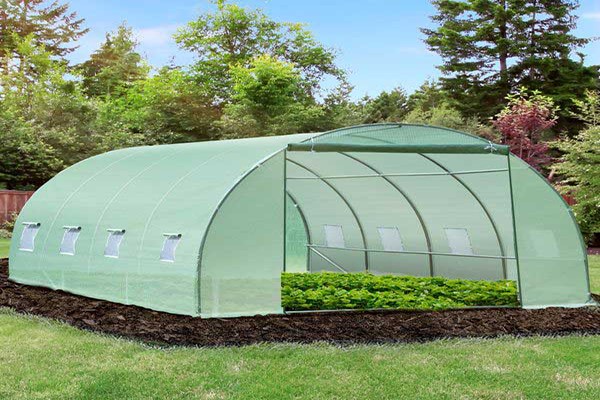
    In greenhouses, the use of self-adhesive nylons in the agricultural industry is used to create temporary covers or protect plants from adverse weather conditions, such as strong wind, rain, or cold.

    These nylons can regulate temperature and humidity and help plants grow better.

    Azin Plast offers UV-resistant nylons for this purpose that are resistant to sunlight.

    5. Packaging of fodder and livestock products

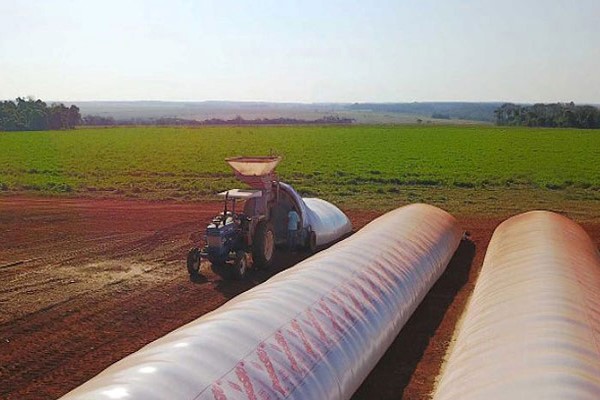
    In the livestock sector, the use of self-adhesive nylons in the agricultural industry for packaging fodder, such as hay or silage, is

    very common.By creating a closed environment, these nylons prevent air and moisture from penetrating and maintain the quality

    of the forage for a long time (up to 12 months).

    Azin Plast produces highly resistant products for this application that are very popular in livestock farms.

    6. Protecting seedlings and young trees

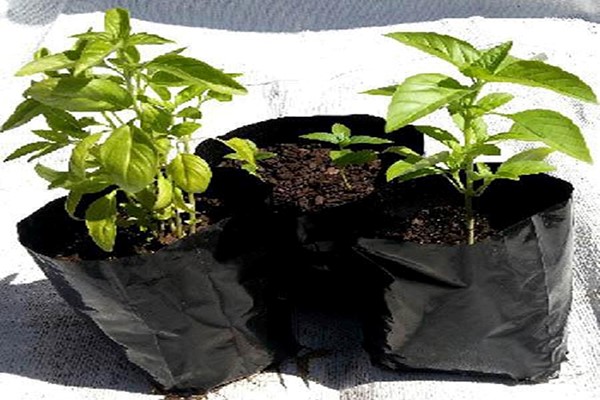
    The use of adhesive-backed nylon in the agricultural industry includes protecting seedlings and young trees from pests, cold, or mechanical damage.

    By wrapping the nylon around the trunks of trees, insect attacks or damage caused by agricultural tools can be prevented.

    Azin Plast offers thin and flexible nylons for this purpose that can be easily installed and removed.

    7. Packaging for export

    In export markets, the appearance and quality of agricultural products are of great importance.The use of self-adhesive nylon in the agricultural industry plays a key role in the professional packaging of products for export, especially to the Middle East, Europe, and Central Asia markets.

    These nylons protect products from transportation damage and allow for printing of brand information.

    By providing printed nylons, Azin Plast helps exporters to present their products in a professional manner.

    8. Use in hydroponic and vertical farming systems

    In hydroponic and vertical farming, the use of self-adhesive nylon in the agricultural industry is used to protect cultivation systems and prevent nutrient leakage.

    These nylons can act as covers for tanks, nutrient transfer pipes, or cultivation surfaces.Azin Plast produces nylons with high resistance to moisture and chemicals for this application.

    9. Protecting products in warehouses

    The use of adhesive-backed nylons in the agricultural industry is very common in warehouses to protect stored products, such as grains, fruits, or vegetables.

    These nylons protect products from dust, moisture, and pests and increase their shelf life.

    Azin Plast offers nylons with suitable adhesion for this purpose.

    10. Use in packaging of flowers and ornamental plants

    In the flower and ornamental plant industry, the application of adhesive-backed nylons in the agricultural industry is used to

    package sensitive flowers and plants, such as roses, orchids, or houseplants.

    These nylons protect petals and leaves from physical damage and allow for safe transportation.Azin Plast produces thin,

    transparent nylons for this application

    Azin Plast Company’s Role in Providing Self-Adhesive Nylon

    Azin Plast Kimia Company has been operating in the field of producing various types of nylon, including self-adhesive nylons for

    the use of self-adhesive nylon in the agricultural industry since 1998.

    Using advanced machinery imported from Taiwan and quality raw materials, the company produces products that meet the diverse needs of agriculture.

    Key features of Azin Plast products include:

    Superior quality: Using standard raw materials and advanced technology to produce resistant and durable nylons.

    Product diversity: Providing self-adhesive nylons in various thicknesses, sizes, and features (such as anti-UV, biodegradable, or printed).

    Professional printing services: Possibility of printing logos, product information, or custom designs for branding and

    marketing.Customer Support: Providing expert advice on selecting the right nylon for agricultural applications.

    Commitment to Sustainability: Research and Development to produce biodegradable nylons and reduce environmental impact.

    Flexibility in Production: Ability to produce custom nylons based on specific customer needs.

    With a focus on quality, innovation, and customer service, Azin Plast has become one of the leading suppliers of self-adhesive

    nylon for self-adhesive nylon applications in the agricultural industry, helping farmers, ranchers, and exporters increase their

    productivity and profitability.Comparison of adhesive-backed nylon with other packaging materials

    To better understand the application of adhesive-backed nylon in the agricultural industry, it is useful to compare it with other

    packaging materials such as paper, conventional plastics, or composite materials:

    Adhesive-backed nylon vs. paper: Paper is suitable for packaging lightweight agricultural products, but has low resistance to moisture and tearing.

    The use of adhesive-backed nylon in the agricultural industry is a superior option for packaging sensitive products due to its high resistance to moisture, sunlight, and tearing.

    Azinplast nylons with mild adhesion offer better protection.

    Adhesive-backed nylon vs. conventional plastics: Conventional plastics may not have adhesion and are not suitable for protecting sensitive surfaces.The use of self-adhesive nylon in the agricultural industry is ideal for packaging fruits and vegetables or protecting equipment due to its mild adhesion and easy release.

    Self-adhesive nylon vs. composite materials: Composite materials, such as multilayer films, may have higher strength, but their production cost is higher.

    Azin Plast self-adhesive nylons offer similar performance at a lower cost and are more economical for agricultural applications.

    Self-adhesive nylon vs. protective fabrics: Protective fabrics are used for some applications, such as covering plants, but they do

    not have the flexibility and adhesion of self-adhesive nylon.

    The use of self-adhesive nylon in the agricultural industry is superior due to its easy installation and ability to be used on various

    surfaces.Technologies for producing self-adhesive nylon

    The production of self-adhesive nylon for the application of self-adhesive nylon in the agricultural industry requires advanced technologies and quality raw materials.

    Azin Plast Company uses the following processes to produce self-adhesive nylons:

    Film extrusion: Nylon is produced in the form of thin or thick films using advanced machinery.

    Adhesive coating: A low-quality adhesive layer (Low Tack) is carefully applied to the nylon to ensure proper adhesion and easy separation.

    Special additives: Anti-UV, anti-static, or biodegradable additives are added to improve the performance of the nylon.

    Printing and cutting: Nylons are cut to custom sizes and can be printed with custom information or designs.Quality Control: Strict

    tests are carried out to ensure the strength, adhesion, and durability of the nylon.

    Using these technologies, Azin Plast produces nylons that meet international standards and are suitable for agricultural applications.

    Economic Analysis of the Use of Adhesive-Backed Nylon in the Agricultural Industry

    The use of adhesive-backed nylon in the agricultural industry has significant economic impacts on farmers, manufacturers, and exporters.

    Below, we will discuss some of the economic aspects of this product:

    1. Reducing Waste Costs

    Waste of agricultural products, especially during transportation and storage, is one of the main challenges of this industry.

    Based on hypothetical data, the use of adhesive-backed nylon in the agricultural industry can reduce waste by up to 40%.For example, in tomato farms in Varamin, the use of Azin Plast self-adhesive nylon has reduced waste from 25% to 10%, which means annual savings of millions of tomans for farmers.

    2. Increasing the value of products in the market

    Professional packaging with self-adhesive nylon maintains the appearance and quality of products and increases their value in the market.

    For example, in pomegranate exports to the Persian Gulf countries, the use of Azin Plast printed self-adhesive nylon has made Iranian products stand out compared to competitors and earn a higher price.

    3. Reducing equipment maintenance costs

    The use of self-adhesive nylon in the agricultural industry to protect equipment reduces maintenance costs.For example, covering tractors or irrigation systems with Azin Plast self-adhesive nylon can prevent rust and environmental damage and increase the useful life of the equipment by up to 30%.

    4. Saving on chemical pesticides

    Using self-adhesive nylon as insect traps reduces the need for chemical pesticides.

    This not only reduces farmers’ costs, but also helps produce organic and environmentally friendly products.

    5. Improving export profitability

    The use of self-adhesive nylon in the agricultural industry in export packaging has led to increased demand in international markets.

    For example, in the export of pistachios to Europe, Azin Plast printed nylons have helped improve branding and product

    protection, increasing exporters’ profitability by up to 20%.A Practical Guide to Using Self-Adhesive Nylon in Agriculture

    To make the most of self-adhesive nylon in the agricultural industry, farmers should consider the following points:

    1. Choosing the Right Nylon

    Nylon Thickness: Choose thin nylon for packaging light products such as fruits and thick nylon for heavy equipment.

    UV Resistance: In open fields, Azin Plast UV-resistant nylons are recommended.

    Adhesive Quality: The adhesive should be gentle so as not to damage the product and be easily removed.

    Suitable Dimensions: The nylon should be appropriate for the size of the product or surface to be covered.

    Reputable Brand: Choosing nylon from brands such as Azin Plast guarantees quality and performance.

    2. Installation and Usage Methods

    Product Packaging: Wrap the nylon evenly around the product and ensure proper overlap for complete protection.Equipment

    protection: Install nylon on clean, dry equipment surfaces and secure the edges to prevent dust or moisture from entering.

    Insect traps: Install adhesive-backed nylon in areas of high insect traffic (such as greenhouse entrances) and periodically check

    and replace.

    3. Maintenance and recycling

    Collect used nylons separately and deliver to recycling centers.

    Use Azin Plast biodegradable nylons to reduce environmental impact

    Application of Adhesive Backed Nylon in the Agricultural Industry

    To better understand the application of adhesive backed nylon in the agricultural industry, we will refer to some hypothetical and real case studies below:

    Varamin Tomato Farms: Using Azin Plast adhesive backed nylon in tomato packaging for export reduced waste from 25% to 10%

    and improved product quality for Persian Gulf markets.

    Mashhad Cucumber Greenhouses: Azin Plast UV-resistant adhesive backed nylons were used as temporary coverings in

    greenhouses and optimized temperature and humidity, which led to a 15% increase in cucumber production.

    Hamedan Alfalfa Farms: Packaging fodder with Azin Plast adhesive backed nylon maintained fodder quality for more than 12

    months and reduced livestock farmers’ costs by 20%.Kerman Pistachio Export: Azin Plast printed nylons were used to package

    pistachios exported to Europe, increasing demand by 25% by improving branding.

    Damavand Apple Farms: Using Azin Plast thin self-adhesive nylon for apple packaging reduced waste by 30% and improved the

    appearance of the product for domestic markets.

    Challenges and Solutions in the Use of Self-adhesive Nylon in the Agricultural Industry

    Despite its numerous benefits, the use of self-adhesive nylon in the agricultural industry may come with some challenges:

    Environmental Challenge: Plastic nylons may harm the environment.

    Solution: Use Azin Plast biodegradable nylons and properly manage recycling.

    Initial Cost: High-quality nylons may cost more.Solution: Choose durable products from Azin Plast that reduce long-term costs.

    Inadequate adhesion: The adhesive of some nylons may be too strong or weak.

    Solution: Test nylons before widespread use and choose products with standard adhesion from Azin Plast.

    Lack of awareness among farmers: Some farmers are not familiar with the uses of adhesive-backed nylons.

    Solution: Conduct training workshops by companies like Azin Plast to increase awareness.

    Accessibility constraints: In some rural areas, access to quality nylons may be limited.

    Solution: Expand Azin Plast’s distribution network to remote areas.The Future of Adhesive Nylon in the Agricultural Industry

    With the growing need for sustainability and reduced environmental impact, the future of adhesive nylon in the agricultural industry is moving towards the production of biodegradable and environmentally friendly products.

    Azin Plast Company is conducting research and development to produce nylons that decompose after use and have fewer negative impacts on the environment.

    Some of the future trends in this field include:

    Smart nylons: Nylons with the ability to display temperature, humidity, or product quality.

    Nanocomposite materials: Using nanotechnology to increase the strength and reduce the weight of nylon.

    Automation in packaging: Developing automated systems for installing adhesive nylon in farms and greenhouses.Increasing use in

    vertical farming: As vertical farming expands in cities, the use of self-adhesive nylon in the agricultural industry will grow in this area.

    In addition, with the increasing demand for organic and export agricultural products, self-adhesive nylon will play a more

    important role in professional packaging and product protection. Companies like Azin Plast, by focusing on innovation, can meet these needs well.

    Conclusion

    The use of self-adhesive nylon in the agricultural industry as a multi-purpose tool has many positive effects on productivity,

    reducing waste, and improving the quality of agricultural products.

    From fruit and vegetable packaging to equipment protection, pest management, and export packaging, this product helps farmers

    turn the challenges of the agricultural industry into opportunities for growth.Azin Plast Kimia Company plays a key role in meeting

    the needs of this industry by producing high-quality and diverse adhesive nylons.

    For more information about the use of adhesive-backed nylon in the agricultural industry and purchasing Azin Plast products, you

    can visit the company’s official website or contact its experts.

    By choosing the right nylons and using modern technologies, the agricultural industry can move towards a more sustainable,

    profitable, and competitive future
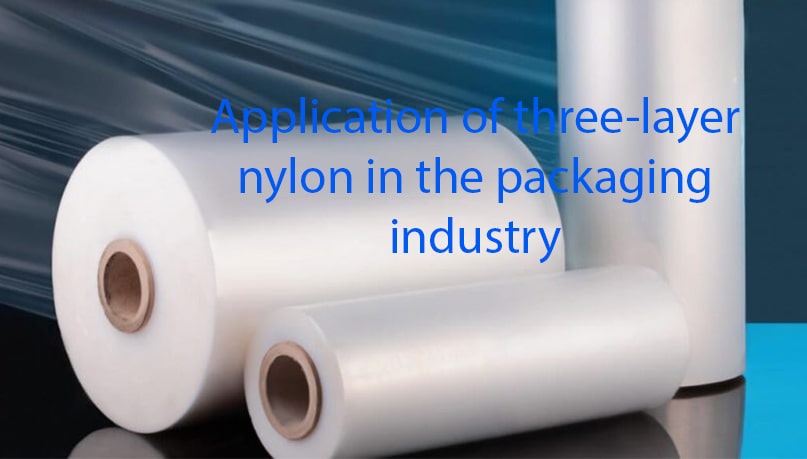
  • Application of three-layer nylon in the packaging industry

    Application of three-layer nylon in the packaging industry

    Application of three-layer nylon in the packaging industry

    Tri-layer nylon, also known as multilayer polymer film, is one of the most advanced and widely used materials in the packaging industry.

    Due to its multilayer structure, which is a combination of various polymer materials such as polyethylene (PE), polypropylene (PP),

    and polyethylene terephthalate (PET), this type of nylon offers unique features such as high strength, moisture protection, and printability.

    Azin Plast Kimia Company, one of the pioneers in the production of tri-layer nylon in Iran, and especially in the city of Mashhad,

    plays an important role in meeting the needs of the packaging industry by utilizing advanced technologies and providing high-

    quality roll label printing services.This comprehensive article examines the applications of tri-layer nylon in the packaging industry,

    its types, benefits, manufacturing process, innovations, and environmental impacts, and shows how Azin Plast helps improve

    packaging processes.

    What is tri-layer nylon?

    Tri-layer nylon is a type of polymer film that is composed of three layers of plastic materials with different properties.

    Each layer performs specific functions such as mechanical strength, insulation, or printability.

    For example, the inner layer may be made of light polyethylene (LDPE) for flexibility, the middle layer of high-density polyethylene

    (HDPE) for strength, and the outer layer of polypropylene (PP) for printability and moisture resistance.This multilayer structure

    makes the three-layer nylon resistant to oxygen, moisture, and light penetration, making it ideal for packaging sensitive products

    such as food, pharmaceutical, and industrial products.

    Using advanced machinery imported from Taiwan, Azin Plast Kimia produces high-quality three-layer nylons in various thicknesses

    that are suitable for various packaging applications

    Application of three-layer nylon in the packaging industry
    Application of three-layer nylon in the packaging industry

    History and Evolution of Tri-Layer Nylon

    Multi-layer nylons were introduced in the 1970s with the advancement of extrusion and lamination technologies.

    Initially, these materials were used to package long-lasting food products such as canned goods and frozen products.

    With the development of polymer technologies and lamination adhesives, tri-layer nylons have become one of the most widely used materials in various industries.

    Today, these nylons are used in the packaging of a variety of products, from food to medical and industrial equipment.

    Since 1998, Azin Plast has been producing tri-layer nylons with global standards and supplying them to domestic and international markets, focusing on quality and innovation.Importance of tri-layer nylon in the packaging industry

    Tri-layer nylon has become one of the most important materials in the packaging industry due to the following features:

    Excellent protection: The multilayer structure of this nylon protects products from moisture, oxygen, light, and microbes.

    Design flexibility: Possibility of production in different thicknesses, colors, and sizes for various applications.

    High printability: The outer layer of tri-layer nylon is suitable for printing logos, product information, and advertising designs.

    Mechanical strength: Resistance to tearing, punctures, and mechanical pressures.

    Economical cost: Despite its advanced features, tri-layer nylon is cost-effective compared to other materials such as metal or glass.

    Recyclability: Some types of tri-layer nylon are recyclable, helping to reduce environmental impact.High durability: These nylons

    increase the shelf life of products and reduce waste.

    By producing three-layer nylons with customized features, Azin Plast Kimia allows manufacturers to design safe, attractive, and

    tailored packaging to their needs.

    Types of three-layer nylon in the packaging industry

    Three-layer nylon in the packaging industry is divided into different types, each with its own specific applications:

    1. Transparent three-layer nylon

    Transparent nylon is used for products that need to display the internal contents of the package, such as dry foods (nuts, legumes) or health products.

    These nylons allow the product to be viewed without opening the package.

    Azin Plast produces transparent three-layer nylons with high strength and excellent printability.

    2.Metallized Nylon 3-Layer

    Metallized nylons have a metal layer (usually aluminum) that increases resistance to light and oxygen.

    This type of nylon is suitable for packaging products such as chips, coffee, and spices. Azin Plast Kimia offers high-quality metallized nylons for these applications.

    3. Printed Nylon 3-Layer

    This type of nylon allows for printing logos, product information, or promotional designs.

    Printing on three-layer nylon helps with branding and attracting customer attention.

    By providing high-quality roll label printing services in Mashhad, Azin Plast helps manufacturers provide attractive and professional packaging.

    4.Temperature-resistant tri-layer nylon

    These nylons are designed for packaging products that require heat processes such as pasteurization or sterilization, such as ready-made foods or canned products.

    These nylons are resistant to high temperatures.

    5. Biodegradable tri-layer nylon

    With increasing attention to environmental issues, biodegradable tri-layer nylons are produced using degradable polymers.

    These nylons are suitable for packaging products that require environmental compatibility.

    6. Antistatic tri-layer nylon

    This type of nylon is used to package sensitive electronic products such as printed circuits or computer components to prevent the

    accumulation of electrical charge.Applications of three-layer nylon in various industries

    Three-layer nylon has a wide range of applications in the packaging industry.

    Here are some of its most important applications in various industries:

    1. Three-layer nylon in the food packaging industry

    Three-layer nylon is used in the food industry to package products such as dairy products (milk, yogurt, cheese), dried fruits, snacks, frozen products, meat, and ready-made foods.

    These nylons prevent the penetration of moisture, oxygen, and microbes and increase the shelf life of the product.

    For example, three-layer metallized nylons are very suitable for packaging chips and coffee.

    Azin Plast meets the needs of this industry by producing hygienic three-layer nylons in accordance with food standards.Application example:

    A dried fruit manufacturing company in Tehran used three-layer printed nylon produced by Azin Plast to package pistachios and almonds.

    These nylons, with their logo and product information printed on them, not only protected the product from moisture, but also helped increase sales by attracting customer attention

    2. Three-layer nylon in the pharmaceutical packaging industry

    Three-layer nylon is used in the packaging of medicines, medical equipment, and laboratory kits.

    These nylons are ideal for this industry due to their resistance to moisture and germs and their ability to be sterilized.

    Azin Plast Kimia produces three-layer hygienic nylons with medical standards.

    A medical equipment manufacturing company used three-layer nylon produced by Azin Plast to package disposable syringes.

    These nylons prevented the penetration of germs and ensured product safety.

    3. Three-layer nylon in the industrial packaging industry

    In manufacturing industries, three-layer nylon is used to package products such as chemicals, industrial parts, and construction materials.

    These nylons protect products from moisture, dust, and corrosion.Application example:

    A chemical manufacturing company used moisture-resistant three-layer nylon produced by Azin Plast to package chemical fertilizers.

    These nylons prevented moisture from penetrating into the package.

    4. Three-layer nylon in the agricultural packaging industry

    Three-layer nylon is used to package products such as seeds, fertilizers, and processed agricultural products.

    These nylons protect products from moisture and light and increase their shelf life.

    5. Three-layer nylon in the e-commerce packaging industry

    three-layer nylon in the packaging industry

    With the growth of e-commerce, three-layer nylon is used to package products such as electronics, clothing, and fragile products.

    These nylons protect products from damage caused by transportation.Case Study:

    An online store in Iran used three-layer nylon produced by Azin Plast to package smartphones.

    These nylons protected the screen and body of the phone from scratches during mailing.

    6. Three-layer nylon in the hygiene product packaging industry

    Three-layer nylon is used in the packaging of products such as tissues, diapers, and sanitary napkins.

    These nylons are an ideal option for this industry due to their resistance to moisture and germs.

    The production process of three-layer nylon in the packaging industry

    The production process of three-layer nylon includes the following steps:

    Selection of raw materials: Polymer materials such as light polyethylene (LDPE), heavy polyethylene (HDPE), polypropylene (PP),

    or polyethylene terephthalate (PET) are selected according to the product application.Multilayer extrusion: Each layer is melted

    separately in extruders and formed into a thin film.

    These layers are then bonded together using lamination adhesives or a coextrusion process.

    Coating and lamination: If required, the layers are laminated with special adhesives or metal layers (such as aluminum for metallized nylon).

    Printing (optional): Information, logos, or promotional designs are printed on the outer layer of nylon.

    Azin Plast Kimia provides high-quality printing using advanced printing machines.

    Cutting and packaging: The three-layer film is cut to the desired dimensions and packaged in rolls or sheets.

    Quality control: The final product is checked for thickness, strength, adhesion of the layers, and printing quality.Less energy consumption: The production of tri-layer nylon uses less energy compared to other materials such as glass or metal.

    Biodegradable nylons: Some tri-layer nylons are produced with biodegradable polymers that break down in the environment.

    By investing in green technologies, Azin Plast Kimia is developing biodegradable tri-layer nylons that help reduce environmental impacts.

    Innovations in tri-layer nylon production in the packaging industry

    The tri-layer nylon industry is evolving with technological advancements. Some recent innovations include:

    Nanocomposite nylons: Adding nanoparticles to the layers to increase resistance to tearing, heat, and UV rays.

    High Barrier Films: Nylons with greater resistance to oxygen and moisture penetration for packaging sensitive

    products.Antibacterial nylons: Adding antibacterial materials to the layers for packaging health and medical products.

    Advanced printing technologies: Using digital printing for complex and high-quality designs.

    Smart nylons: Nylons that indicate the status of the product (such as freshness or temperature) by changing color or other

    characteristics.

    By following these innovations, Azin Plast is trying to offer products with higher quality and more diverse applications to the market.

    The role of Azin Plast Kimia Company in the packaging industry

    Azin Plast Kimia Company has been operating in Mashhad since 1998 in the field of producing three-layer nylon and other

    packaging products.

    The company produces products with global standards using advanced machinery imported from Taiwan and utilizing expert

    manpower.Azin Plast’s key services include:

    Production of three-layer nylon in clear, metalized, printed, and biodegradable varieties.

    Providing high-quality roll label printing services for branding and advertising.

    Production of custom nylons for specific applications such as food, pharmaceutical, or industrial packaging.

    Expert advice to select the best type of nylon for customer needs.

    Development of environmentally friendly nylons to reduce environmental impact.

    To order three-layer nylon or receive advice, you can contact Azin Plast through the official website (www.azinplast-kimia.com) or

    the company’s contact number

    Application of three-layer nylon in the real packaging industry

    To better understand the application of three-layer nylon, we will mention a few case studies below:

    1. Dairy product packaging

    A dairy company in Tehran used metallized three-layer nylon produced by Azin Plast to package cheese and yogurt.

    These nylons prevented moisture and oxygen penetration and increased the shelf life of the products.

    2. Coffee packaging

    A coffee company used printed three-layer nylon produced by Azin Plast to package ground coffee.

    Printing the logo and product information on the nylon helped increase brand recognition.

    3. Medical equipment packaging

    A medical equipment manufacturer used hygienic three-layer nylon produced by Azin Plast to package laboratory kits.

    These nylons ensured the safety of the products with their antibacterial properties.

    4.Three-layer nylon in the chemical fertilizer packaging industry

    A chemical fertilizer company used moisture-resistant three-layer nylon produced by Azin Plast to package its products.

    These nylons prevented moisture from penetrating into the package.

    5. Three-layer nylon in the e-commerce packaging industry

    An online store used three-layer nylon produced by Azin Plast to package electronic appliances.

    These nylons protected the products from transportation damage.

    Conclusion

    Three-layer nylon has become one of the most important packaging materials in the packaging industry due to its unique

    properties, including excellent protection, flexibility, printability, and recyclability.Azin Plast Kimia Company plays a key role in

    meeting the needs of this industry by producing high-quality three-layer nylons and providing professional printing services.

    By utilizing advanced technologies and focusing on innovation, the company offers products tailored to the needs of various

    industries.

    For more information and to order products, you can visit the Azin Plast website (www.azinplast-kimia.com) or contact the

    company’s contact number

  • کاربرد نایلون شیرینگ در صنعت

    کاربرد نایلون شیرینگ در صنعت

    کاربرد نایلون شیرینگ در صنعت

    نایلون شیرینگ چیست؟

    نایلون شیرینگ (Shrink Film) یک فیلم پلاستیکی پلیمری است که با اعمال حرارت منقبض می‌شود و به شکل محصول درمی‌آید.

    این ماده به دلیل ویژگی‌های منحصربه‌فرد خود مانند شفافیت، مقاومت در برابر رطوبت و ضربه، و انعطاف‌پذیری، به یکی از پرکاربردترین مواد بسته‌بندی در صنایع مختلف تبدیل شده است.

    نایلون شیرینگ در صنعت از مواد اولیه‌ای مانند پلی‌اتیلن (PE)، پلی‌وینیل کلرید (PVC)، و پلی‌الفین (POF) تولید می‌شود و در ضخامت‌های متنوع (۱۵ تا ۴۰۰ میکرون) برای کاربردهای گوناگون عرضه می‌گردد.

    آذین پلاست، یکی از پیشگامان تولید نایلون شیرینگ در ایران، با استفاده از فناوری‌های پیشرفته و مواد اولیه باکیفیت، محصولاتی با استانداردهای بین‌المللی ارائه می‌دهد که نیازهای صنایع مختلف را برآورده می‌کند.

    این شرکت با تمرکز بر کیفیت و سفارشی‌سازی، نقش مهمی در توسعه کاربردهای نایلون شیرینگ در صنعت ایفا کرده است.

    در این مقاله، به بررسی جامع کاربردهای نایلون شیرینگ در صنعت، انواع آن، مزایا و معایب، فرآیند تولید، و نقش شرکت‌هایی مانند آذین پلاست پرداخته‌ایم.

    هدف ما ارائه اطلاعات کامل و کاربردی برای فعالان صنعت، تولیدکنندگان، و مصرف‌کنندگان است.

    کاربرد نایلون شیرینگ در صنعت
    کاربرد نایلون شیرینگ در صنعت

    تاریخچه نایلون شیرینگ در صنعت

    نایلون شیرینگ برای اولین بار در دهه ۱۹۳۰ میلادی به عنوان یک راه‌حل بسته‌بندی معرفی شد.

    با پیشرفت فناوری پلیمرها در دهه ۱۹۵۰، استفاده از نایلون شیرینگ در صنعت به طور قابل‌توجهی افزایش یافت.

    در ایران، شرکت‌هایی مانند آذین پلاست از دهه ۱۳۷۰ شمسی با بهره‌گیری از فناوری‌های مدرن، تولید این محصول را بومی‌سازی کردند.

    امروزه، نایلون شیرینگ به دلیل ویژگی‌های اقتصادی و کاربردی، در بسیاری از صنایع ایران و جهان به یک استاندارد بسته‌بندی تبدیل شده است.

    چرا نایلون شیرینگ در صنعت اهمیت دارد؟

    نایلون شیرینگ به دلیل ویژگی‌های زیر در صنایع مختلف جایگاه ویژه‌ای دارد:

    • محافظت قوی: محافظت از محصولات در برابر رطوبت، گرد و غبار، و آسیب‌های فیزیکی.
    • انعطاف‌پذیری: قابلیت تولید در ابعاد و ضخامت‌های مختلف برای بسته‌بندی محصولات کوچک تا تجهیزات صنعتی بزرگ.
    • هزینه اقتصادی: کاهش هزینه‌های بسته‌بندی و حمل‌ونقل در مقایسه با روش‌های سنتی مانند کارتن یا چوب.
    • چاپ‌پذیری: امکان چاپ لوگو، اطلاعات محصول، و تبلیغات برای تقویت برندسازی.

    انواع نایلون شیرینگ در صنعت و کاربردهای آن‌ها

    نایلون شیرینگ در انواع مختلفی تولید می‌شود که هر کدام برای کاربردهای خاصی در صنایع طراحی شده‌اند. در ادامه، انواع اصلی نایلون شیرینگ و کاربردهای آن‌ها بررسی می‌شود.

    ۱. نایلون شیرینگ پلی‌اتیلن (PE)

    نایلون شیرینگ پلی‌اتیلن به دلیل مقاومت بالا و انعطاف‌پذیری، برای بسته‌بندی محصولات سنگین و بزرگ مناسب است.

    این نوع نایلون در ضخامت‌های ۲۰ تا ۴۰۰ میکرون تولید می‌شود و در برابر رطوبت و ضربه مقاومت بالایی دارد.

    کاربردها نایلون شیرینگ در صنایع:

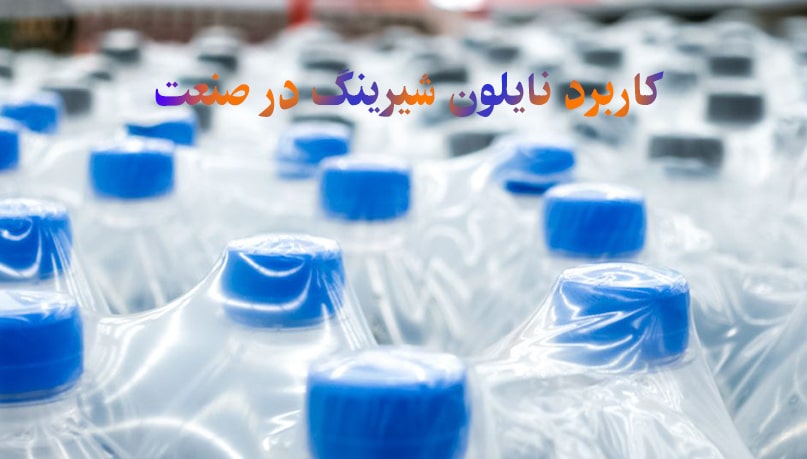
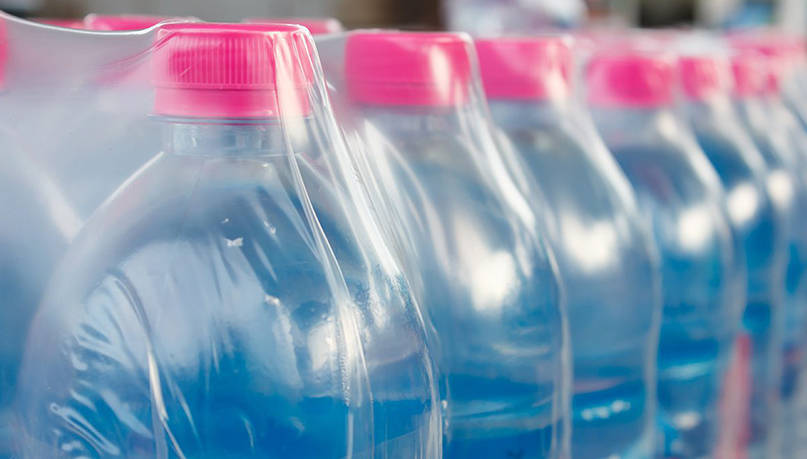
    • صنایع غذایی: بسته‌بندی بطری‌های آب معدنی، نوشابه، و کنسروها به صورت چندتایی (مانند بسته‌های ۶ یا ۱۲ تایی).
    • صنایع ساختمانی: بسته‌بندی مصالح مانند کاشی، سرامیک، آجر، و پشم شیشه.
    • صنایع کشاورزی: بسته‌بندی کودهای شیمیایی، نهال‌ها، و محصولات کشاورزی.
    • صنعت خودروسازی: محافظت از قطعات خودرو مانند بدنه، شیشه، و قطعات فلزی در برابر خط و خش.
    • لجستیک و حمل‌ونقل: بسته‌بندی پالت‌های بزرگ برای حمل ایمن محصولات.

    آذین پلاست با تولید نایلون شیرینگ پلی‌اتیلن در عرض‌های تا ۸ متر و ضخامت‌های مختلف، نیازهای صنایع سنگین را به خوبی برآورده می‌کند.

    این شرکت همچنین امکان تولید نایلون‌های سفارشی با ویژگی‌های خاص مانند مقاومت در برابر UV را فراهم کرده است.

    مزایای نایلون شیرینگ پلی‌اتیلن:

    • مقاومت بالا در برابر پارگی و فشار.
    • مناسب برای بسته‌بندی محصولات سنگین و نامنظم.
    • قابلیت بازیافت در صورت استفاده از مواد اولیه مناسب.

    معایب:

    • شفافیت کمتر نسبت به PVC و POF.
    • نیاز به حرارت بالاتر برای انقباض.

    ۲. نایلون شیرینگ پلی‌وینیل کلرید (PVC)

    نایلون شیرینگ PVC به دلیل شفافیت بالا و انقباض سریع در دمای پایین‌تر (۱۲۰ تا ۱۶۰ درجه سانتی‌گراد)، برای بسته‌بندی محصولاتی که نیاز به نمایش ظاهری دارند، مناسب است.

    ضخامت این نوع نایلون معمولاً بین ۱۵ تا ۵۰ میکرون است.

    کاربردها:

    • صنایع غذایی: بسته‌بندی نان، شیرینی، شکلات، و محصولات تازه.
    • صنایع دارویی: بسته‌بندی قرص‌ها، کپسول‌ها، و تجهیزات پزشکی.
    • صنایع الکترونیکی: محافظت از قطعات حساس مانند بردهای الکترونیکی.
    • بسته‌بندی تبلیغاتی: چاپ لوگو و اطلاعات محصول برای افزایش جذابیت بصری.

    مزایا:

    • شفافیت بالا برای نمایش بهتر محصول.
    • انقباض سریع و یکنواخت.
    • هزینه تولید پایین.

    معایب:

    • مقاومت کمتر در برابر پارگی نسبت به پلی‌اتیلن.
    • حساسیت به دماهای بالا که ممکن است باعث تغییر شکل شود.

    ۳. نایلون شیرینگ پلی‌الفین (POF)

    نایلون شیرینگ پلی‌الفین به دلیل نرمی، شفافیت بالا، و سازگاری با محیط زیست، در صنایع غذایی و بهداشتی کاربرد گسترده‌ای دارد.

    این نوع نایلون در ضخامت‌های ۱۲ تا ۴۰ میکرون تولید می‌شود.

    کاربردها:

    • صنایع غذایی: بسته‌بندی میوه‌ها، سبزیجات، و محصولات تازه.
    • صنایع بهداشتی: بسته‌بندی محصولات آرایشی مانند شامپو، صابون، و کرم‌ها.
    • خرده‌فروشی: بسته‌بندی لوازم‌التحریر، اسباب‌بازی‌ها، و محصولات کوچک.

    مزایا:

    • سازگاری با محیط زیست (در صورت استفاده از مواد زیست‌تخریب‌پذیر).
    • شفافیت و براقیت بالا.
    • مناسب برای بسته‌بندی محصولات حساس.

    معایب:

    • هزینه تولید بالاتر نسبت به PVC.
    • مقاومت کمتر در برابر فشارهای سنگین.

    آذین پلاست با تولید نایلون شیرینگ پلی‌الفین با کیفیت بالا، به ویژه برای صنایع غذایی و بهداشتی، راه‌حل‌هایی ارائه می‌دهد که هم از نظر ایمنی و هم از نظر زیبایی‌شناسی پاسخگوی نیازهای مشتریان است.

    ۴. نایلون شیرینگ روده‌ای

    نایلون شیرینگ روده‌ای به صورت رولی با عرض‌های بزرگ تولید می‌شود و برای بسته‌بندی محصولات حجیم و سنگین مناسب است.

    این نوع نایلون معمولاً در ضخامت‌های ۵۰ تا ۴۰۰ میکرون عرضه می‌شود.

    کاربردها:

    بسته‌بندی پالت: تثبیت محصولات روی پالت‌ها در صنایع لجستیک.

    صنایع سنگین: بسته‌بندی تجهیزات صنعتی مانند توربین‌ها، ژنراتورها، و ماشین‌آلات.

    صنعت کشاورزی: پوشش گلخانه‌ها و بسته‌بندی محصولات حجیم.

    مزایا:

    • مناسب برای بسته‌بندی محصولات بزرگ و نامنظم.
    • مقاومت بالا در برابر پارگی و فشار.
    • قابلیت تولید در عرض‌های بزرگ.

    معایب:

    • نیاز به تجهیزات پیشرفته برای شیرینگ کردن.
    • شفافیت کمتر نسبت به POF و PVC.
    • مزایای نایلون شیرینگ در صنعت

    استفاده از نایلون شیرینگ در صنعت مزایای متعددی دارد که آن را به یکی از محبوب‌ترین گزینه‌های بسته‌بندی تبدیل کرده است:

    ۱. محافظت قوی از محصولات

    نایلون شیرینگ با ایجاد یک لایه محافظتی، محصولات را در برابر عوامل محیطی مانند رطوبت، گرد و غبار، و ضربه ایمن می‌کند.

    این ویژگی در صنایعی مانند غذایی و دارویی که حساسیت بالایی دارند، بسیار مهم است.

    کاربرد نایلون شیرینگ در صنعت
    کاربرد نایلون شیرینگ در صنعت

    ۲. کاهش هزینه‌های تولید و حمل‌ونقل

    نایلون شیرینگ به دلیل وزن سبک و هزینه تولید پایین، نسبت به روش‌های سنتی مانند کارتن یا جعبه‌های چوبی، اقتصادی‌تر است.

    این امر به کاهش هزینه‌های کلی تولید و حمل‌ونقل کمک می‌کند.

    ۳. بهبود برندسازی

    نایلون شیرینگ امکان چاپ لوگو، اطلاعات محصول، و تبلیغات را فراهم می‌کند.

    شرکت آذین پلاست خدمات چاپ باکیفیت روی نایلون شیرینگ ارائه می‌دهد که به افزایش جذابیت بصری و شناخت برند کمک می‌کند.

    ۴. انعطاف‌پذیری در بسته‌بندی

    نایلون شیرینگ در ابعاد و ضخامت‌های مختلف تولید می‌شود و برای بسته‌بندی محصولات کوچک (مانند لوازم‌التحریر) تا تجهیزات صنعتی بزرگ (مانند ماشین‌آلات) مناسب است.

    ۵. سهولت در حمل‌ونقل

    نایلون شیرینگ با چسبیدن محکم به محصولات، جابجایی آن‌ها را آسان‌تر می‌کند و از پراکندگی اقلام در پالت‌ها جلوگیری می‌کند.

    این ویژگی در لجستیک و انبارداری بسیار ارزشمند است.

    ۶. سازگاری با محیط زیست

    با پیشرفت فناوری، نایلون‌های شیرینگ زیست‌تخریب‌پذیر و بازیافت‌پذیر در حال توسعه هستند.

    شرکت‌هایی مانند آذین پلاست در تلاشند تا با استفاده از مواد اولیه سازگار با محیط زیست، تأثیرات زیست‌محیطی را کاهش دهند.

    معایب و چالش‌های نایلون شیرینگ در صنعت

    با وجود مزایای متعدد، نایلون شیرینگ نیز چالش‌هایی دارد که باید در نظر گرفته شوند:

    ۱. تأثیرات نایلون شیرینگ در صنعت زیست‌محیطی

    نایلون‌های سنتی مانند PVC و PE به دلیل تجزیه‌پذیری پایین، ممکن است به محیط زیست آسیب برسانند.

    با این حال، شرکت‌هایی مانند آذین پلاست با تولید نایلون‌های بازیافت‌پذیر و زیست‌تخریب‌پذیر، در حال رفع این مشکل هستند.

    ۲. نیاز به تجهیزات خاص

    برای شیرینگ کردن نایلون، به دستگاه‌های حرارتی مانند تونل شیرینگ یا سشوار صنعتی نیاز است که ممکن است برای کسب‌وکارهای کوچک هزینه‌بر باشد.

    ۳. حساسیت به دما

    برخی انواع نایلون شیرینگ (مانند PVC) در دماهای بالا ممکن است تغییر شکل دهند یا کیفیت خود را از دست بدهند.

    ۴. محدودیت در شفافیت

    نایلون‌های ضخیم‌تر (مانند PE) شفافیت کمتری دارند که ممکن است برای بسته‌بندی محصولات تزئینی مناسب نباشد.

    کاربردهای نایلون شیرینگ در صنایع خاص

    نایلون شیرینگ در صنایع مختلف کاربردهای گسترده‌ای دارد.

    در ادامه، به بررسی دقیق کاربردهای آن در برخی صنایع کلیدی می‌پردازیم.

    ۱. صنایع غذایی

    نایلون شیرینگ در صنعت غذایی برای بسته‌بندی محصولات تازه، کنسروها، و نوشیدنی‌ها استفاده می‌شود.

    این ماده با ایجاد یک لایه محافظتی، از آلودگی و فساد مواد غذایی جلوگیری می‌کند.

    مثال‌ها:

    • بسته‌بندی بطری‌های نوشیدنی: بسته‌بندی چندتایی بطری‌های آب معدنی و نوشابه با نایلون شیرینگ پلی‌اتیلن.
    • بسته‌بندی محصولات تازه: بسته‌بندی میوه‌ها و سبزیجات با نایلون شیرینگ پلی‌الفین برای حفظ تازگی.
    • بسته‌بندی نان و شیرینی: استفاده از نایلون شیرینگ PVC برای نمایش بهتر محصول و محافظت از آن.

    آذین پلاست با تولید نایلون شیرینگ بهداشتی و مطابق با استانداردهای غذایی، به برندهای معتبر غذایی کمک می‌کند تا محصولات خود را با کیفیت بالا عرضه کنند.

    1.نایلون شیرینگ در صنعت بسته‌بندی آب معدنی

    یک شرکت تولید آب معدنی در ایران با همکاری آذین پلاست، نایلون شیرینگ پلی‌اتیلن با ضخامت ۳۰ میکرون را برای بسته‌بندی بطری‌های ۱.۵ لیتری خود استفاده کرد.

    این نایلون با چاپ لوگوی شرکت، نه تنها محافظت از بطری‌ها را تضمین کرد، بلکه به افزایش شناخت برند در بازار کمک کرد.

    نتیجه این همکاری، کاهش ۲۰ درصدی هزینه‌های بسته‌بندی و افزایش ۱۵ درصدی فروش بود.

    ۲. نایلون شیرینگ در صنعت کشاورزی

    در صنعت کشاورزی، نایلون شیرینگ برای بسته‌بندی محصولات کشاورزی، کودها، و نهال‌ها استفاده می‌شود.

    این ماده از محصولات در برابر رطوبت و آفات محافظت می‌کند.

    مثال‌ها:

    • بسته‌بندی کودهای شیمیایی: استفاده از نایلون شیرینگ روده‌ای برای بسته‌بندی کیسه‌های ۵۰ کیلوگرمی کود.
    • پوشش گلخانه‌ها: استفاده از نایلون شیرینگ مقاوم در برابر UV برای پوشش گلخانه‌ها.
    • بسته‌بندی نهال‌ها: محافظت از نهال‌ها در برابر آسیب‌های حمل‌ونقل.

    بسته‌بندی کود شیمیایی

    یک تولیدکننده کود شیمیایی با استفاده از نایلون شیرینگ پلی‌اتیلن تولیدی آذین پلاست، توانست کیسه‌های کود خود را به صورت پالت‌بندی ایمن بسته‌بندی کند.

    این کار باعث کاهش ۳۰ درصدی خسارات ناشی از پارگی کیسه‌ها در حمل‌ونقل شد.

    ۳. نایلون شیرینگ در صنعت خودروسازی

    نایلون شیرینگ در صنعت خودروسازی برای محافظت از قطعات در برابر خط و خش، گرد و غبار، و رطوبت استفاده می‌شود.

    این ماده به ویژه برای بسته‌بندی قطعات صادراتی کاربرد دارد.

    مثال‌ها:

    بسته‌بندی بدنه خودرو: محافظت از بدنه خودرو در حین حمل‌ونقل بین‌المللی.

    بسته‌بندی قطعات کوچک: بسته‌بندی قطعات حساس مانند سنسورها و قطعات الکترونیکی.

    پوشش شیشه‌های خودرو: جلوگیری از خط و خش روی شیشه‌ها.

    ۴. نایلون شیرینگ در صنعت ساختمانی

    نایلون شیرینگ در صنعت ساختمان برای بسته‌بندی مصالح مانند کاشی، سرامیک، و پشم شیشه استفاده می‌شود.

    این ماده از مصالح در برابر رطوبت و آسیب‌های فیزیکی محافظت می‌کند.

    مثال‌ها:

    بسته‌بندی کاشی و سرامیک: تثبیت پالت‌های کاشی برای حمل ایمن.

    بسته‌بندی پشم شیشه: محافظت از پشم شیشه در برابر رطوبت.

    پوشش تجهیزات ساختمانی: محافظت از ابزار و تجهیزات در محل ساخت‌وساز.

    ۵. نایلون شیرینگ در صنعت لجستیک و حمل‌ونقل

    نایلون شیرینگ در لجستیک برای تثبیت محصولات روی پالت‌ها و جلوگیری از پراکندگی آن‌ها استفاده می‌شود.

    این ماده به کاهش خسارات در حین حمل‌ونقل کمک می‌کند.

    مثال‌ها:

    • بسته‌بندی پالت‌های صادراتی: تثبیت محصولات صادراتی مانند مواد غذایی و صنعتی.
    • بسته‌بندی تجهیزات صنعتی: محافظت از ماشین‌آلات در حین حمل‌ونقل بین‌المللی.

    فرآیند تولید نایلون شیرینگ

    نایلون شیرینگ از طریق فرآیند اکستروژن تولید می‌شود.

    این فرآیند شامل مراحل زیر است:

    • ذوب مواد اولیه: مواد پلیمری (PE، PVC، یا POF) در دمای بالا (معمولاً ۱۸۰ تا ۲۵۰ درجه سانتی‌گراد) ذوب می‌شوند.
    • اکستروژن: مواد مذاب از طریق قالب به شکل فیلم نازک درمی‌آیند.
    • سرد کردن: فیلم نازک با عبور از غلتک‌های خنک‌کننده سرد می‌شود.
    • برش و رول کردن: فیلم به صورت رول یا پاکت برش داده شده و بسته‌بندی می‌شود.

    آذین پلاست با استفاده از دستگاه‌های اکستروژن پیشرفته، نایلون شیرینگ با کیفیت بالا و ضخامت‌های یکنواخت تولید می‌کند.

    این شرکت همچنین امکان افزودن افزودنی‌هایی مانند مقاوم‌کننده UV یا مواد ضداستاتیک را به نایلون فراهم می‌کند.

    روش‌های شیرینگ کردن:

    • دستی: با استفاده از سشوار صنعتی، مناسب برای تیراژ کم.
    • نیمه‌اتوماتیک: با دستگاه‌های نیمه‌اتوماتیک برای تولید متوسط.
    • اتوماتیک: با تونل‌های شیرینگ پیشرفته برای تولید انبوه.

    نکات ایمنی در استفاده از نایلون شیرینگ

    استفاده از نایلون شیرینگ در صنعت نیازمند رعایت نکات ایمنی است:

    کیفیت مواد اولیه: نایلون‌های بی‌کیفیت ممکن است در صنایع غذایی باعث آلودگی شوند. آذین پلاست با استفاده از مواد اولیه استاندارد، این خطر را به حداقل می‌رساند.

    نگهداری مناسب: رول‌های نایلون باید به صورت افقی نگهداری شوند تا از تغییر شکل جلوگیری شود.

    حرارت‌دهی ایمن: استفاده از دستگاه‌های استاندارد برای جلوگیری از سوختگی یا آسیب به محصول.

    مقایسه نایلون شیرینگ با سایر مواد بسته‌بندی

    برای درک بهتر جایگاه نایلون شیرینگ در صنعت، مقایسه آن با سایر مواد بسته‌بندی ضروری است:

    ۱. نایلون شیرینگ در مقابل کارتن

    مزایا نسبت به کارتن:

    • وزن سبک‌تر و کاهش هزینه‌های حمل‌ونقل.
    • مقاومت در برابر رطوبت.
    • امکان نمایش محصول به دلیل شفافیت.

    معایب:

    مقاومت کمتر در برابر فشارهای سنگین.

    نیاز به تجهیزات شیرینگ.

    ۲. نایلون شیرینگ در مقابل فیلم استرچ

    مزایا نسبت به استرچ:

    • انقباض کامل و چسبیدن به محصول.
    • امکان چاپ برای برندسازی.

    معایب:

    • نیاز به حرارت برای انقباض.
    • هزینه تولید بالاتر در برخی موارد.

    ۳. نایلون شیرینگ در مقابل جعبه‌های چوبی

    مزایا نسبت به جعبه‌های چوبی:

    • هزینه کمتر.
    • انعطاف‌پذیری در بسته‌بندی محصولات نامنظم.

    معایب:

    • مقاومت کمتر در برابر فشارهای سنگین.
    • نقش شرکت آذین پلاست در صنعت نایلون شیرینگ

    آذین پلاست از دهه ۱۳۷۰ شمسی به عنوان یکی از تولیدکنندگان پیشرو در زمینه نایلون و نایلکس فعالیت می‌کند.

    این شرکت با بهره‌گیری از فناوری‌های مدرن و مواد اولیه باکیفیت، نایلون شیرینگ در انواع مختلف تولید می‌کند.

    ویژگی‌های محصولات آذین پلاست شامل موارد زیر است:

    • کیفیت بالا: استفاده از مواد اولیه استاندارد و فرآیندهای تولید دقیق.
    • تنوع در تولید: تولید نایلون در ضخامت‌های ۱۵ تا ۴۰۰ میکرون و عرض‌های مختلف.
    • چاپ‌پذیری: ارائه خدمات چاپ باکیفیت برای تبلیغات و برندسازی.
    • سفارشی‌سازی: تولید نایلون با ویژگی‌های خاص مانند مقاومت در برابر UV یا ضداستاتیک.

    آذین پلاست با تمرکز بر رضایت مشتری، به یکی از تأمین‌کنندگان معتبر در بازار ایران تبدیل شده است و محصولاتی متناسب با نیازهای صنایع غذایی، کشاورزی، و صنعتی ارائه می‌دهد.

    همکاری با صنعت خودروسازی

    یک شرکت خودروسازی در ایران با همکاری آذین پلاست، از نایلون شیرینگ پلی‌اتیلن با ضخامت ۱۰۰ میکرون برای بسته‌بندی قطعات صادراتی خود استفاده کرد.

    این همکاری باعث کاهش ۲۵ درصدی خسارات ناشی از حمل‌ونقل و افزایش رضایت مشتریان خارجی شد.

    آینده نایلون شیرینگ در صنعت

    با رشد تجارت الکترونیک و نیاز به بسته‌بندی ایمن برای حمل‌ونقل، تقاضا برای نایلون شیرینگ در صنعت رو به افزایش است.

    همچنین، با توجه به نگرانی‌های زیست‌محیطی، شرکت‌هایی مانند آذین پلاست در حال توسعه نایلون‌های زیست‌تخریب‌پذیر و بازیافت‌پذیر هستند. فناوری‌های جدید مانند نایلون‌های نانوکامپوزیتی نیز در حال ظهور هستند که مقاومت و انعطاف‌پذیری بیشتری ارائه می‌دهند.

    روندهای آینده:

    • نایلون‌های زیست‌تخریب‌پذیر: کاهش اثرات زیست‌محیطی با استفاده از مواد تجزیه‌پذیر.
    • اتوماسیون در بسته‌بندی: استفاده از دستگاه‌های شیرینگ پیشرفته برای افزایش سرعت و دقت.
    • شخصی‌سازی بسته‌بندی: افزایش تقاضا برای نایلون‌های چاپ‌شده با طرح‌های اختصاصی.

    نکات کلیدی در انتخاب نایلون شیرینگ مناسب

    برای انتخاب نایلون شیرینگ مناسب در صنعت، باید به عوامل زیر توجه کرد:

    • نوع محصول: محصولات سبک به نایلون نازک‌تر (۱۵ تا ۵۰ میکرون) و محصولات سنگین به نایلون ضخیم‌تر (۵۰ تا ۴۰۰ میکرون) نیاز دارند.
    • شرایط محیطی: در محیط‌های مرطوب یا گرم، نایلون‌های مقاوم در برابر UV و رطوبت مناسب‌تر هستند.
    • نیاز به چاپ: برای بسته‌بندی تبلیغاتی، نایلون‌های چاپ‌پذیر مانند محصولات آذین پلاست توصیه می‌شوند.
    • بودجه: نایلون‌های باکیفیت ممکن است هزینه اولیه بیشتری داشته باشند، اما در طولانی‌مدت مقرون‌به‌صرفه هستند.

    نتیجه‌گیری

    نایلون شیرینگ در صنعت به دلیل ویژگی‌های منحصربه‌فرد خود، از جمله محافظت قوی، انعطاف‌پذیری، و هزینه اقتصادی، به یکی از مهم‌ترین ابزارهای بسته‌بندی تبدیل شده است.

    از صنایع غذایی و کشاورزی گرفته تا خودروسازی و لجستیک، این ماده کاربردهای گسترده‌ای دارد.

    شرکت آذین پلاست با تولید نایلون شیرینگ باکیفیت و ارائه خدمات سفارشی‌سازی، نقش کلیدی در تأمین نیازهای صنایع مختلف ایفا می‌کند.

    برای کسب اطلاعات بیشتر و خرید نایلون شیرینگ باکیفیت، می‌توانید با آذین پلاست تماس بگیرید و از خدمات مشاوره و تولید سفارشی این شرکت بهره‌مند شوید.

    با انتخاب نایلون شیرینگ مناسب، می‌توانید بهره‌وری، ایمنی، و جذابیت محصولات خود را به طور قابل‌توجهی افزایش دهید.

  • کاربرد نایلون کشاورزی در صنعت

    کاربرد نایلون کشاورزی در صنعت

    کاربرد نایلون کشاورزی در صنعت

    نایلون کشاورزی در صنعت به عنوان یکی از مهم‌ترین ابزارهای مدرن‌سازی کشاورزی، نقشی بی‌بدیل در بهبود بهره‌وری، کاهش هزینه‌ها و حفاظت از محصولات ایفا می‌کند.

    این ماده پلیمری، که معمولاً از پلی‌اتیلن با چگالی پایین (LDPE) یا پلی‌اتیلن خطی (LLDPE) ساخته می‌شود، به دلیل ویژگی‌هایی مانند شفافیت، مقاومت در برابر شرایط جوی، انعطاف‌پذیری و قابلیت بازیافت، به یکی از ارکان اصلی کشاورزی مدرن تبدیل شده است.

    شرکت آذین پلاست کیمیا، که از سال 1377 در زمینه تولید نایلون‌های کشاورزی فعالیت می‌کند، با ارائه محصولاتی باکیفیت و متنوع، به توسعه این صنعت در ایران کمک شایانی کرده است.

    این مقاله به بررسی جامع کاربردهای نایلون کشاورزی در صنعت، انواع آن، فناوری‌های تولید، مزایای گسترده و چالش‌های مرتبط با آن می‌پردازد، با تمرکز ویژه بر مزایای استفاده از این محصول.

    نایلون کشاورزی چیست؟

    نایلون کشاورزی نوعی پلاستیک عریض است که به طور خاص برای مصارف کشاورزی طراحی شده است.

    این نایلون‌ها با ویژگی‌هایی مانند مقاومت در برابر اشعه ماوراءبنفش (UV)، شفافیت بالا، انعطاف‌پذیری و دوام، به ابزاری کلیدی در کشاورزی تبدیل شده‌اند.

    نایلون کشاورزی در صنعت در انواع تک‌لایه و چندلایه تولید می‌شود و با افزودنی‌هایی مانند ضد UV، ضد شبنم، مستربچ رنگی و مواد آنتی‌اکسیدان، عملکرد آن برای کاربردهای خاص بهبود می‌یابد.

    ویژگی‌های کلیدی نایلون کشاورزی

    • شفافیت بالا: امکان عبور نور خورشید برای فتوسنتز گیاهان، که برای رشد بهینه ضروری است.
    • مقاومت در برابر اشعه UV: افزایش طول عمر نایلون در برابر نور خورشید و شرایط جوی سخت.
    • انعطاف‌پذیری و استحکام: مناسب برای نصب آسان و استفاده در شرایط مختلف.
    • ضد آب بودن: حفظ رطوبت خاک و جلوگیری از تبخیر بیش از حد.
    • قابلیت بازیافت: برخی محصولات، مانند نایلون‌های تولیدشده توسط آذین پلاست کیمیا، زیست‌تخریب‌پذیر یا قابل بازیافت هستند.

    آذین پلاست کیمیا با استفاده از تکنولوژی‌های پیشرفته و مواد اولیه باکیفیت، نایلون‌هایی تولید می‌کند که این ویژگی‌ها را به بهترین شکل ارائه می‌دهند و نیازهای متنوع کشاورزان را برآورده می‌کنند.

    انواع نایلون کشاورزی در صنعت

    نایلون کشاورزی در صنعت در انواع مختلفی تولید می‌شود که هر کدام کاربردهای خاص خود را دارند.

    در ادامه، به بررسی انواع اصلی و کاربردهای آن‌ها می‌پردازیم:

    1. نایلون گلخانه‌ای

    نایلون گلخانه‌ای یکی از پرکاربردترین انواع نایلون کشاورزی در صنعت است.

    این نایلون‌ها به عنوان پوشش سقف و دیواره‌های گلخانه‌ها استفاده می‌شوند و محیطی کنترل‌شده برای رشد گیاهان فراهم می‌کنند.

    با تنظیم دما، رطوبت و نور، این نایلون‌ها امکان کشت محصولات در تمام فصول سال را فراهم می‌کنند.

    2. نایلون مالچ

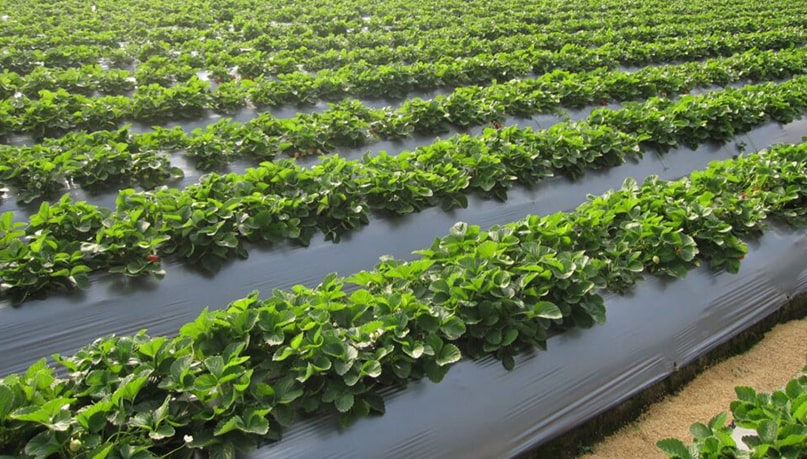
    نایلون مالچ برای پوشش خاک به کار می‌رود و از رشد علف‌های هرز جلوگیری می‌کند.

    این نایلون‌ها با حفظ رطوبت خاک و تنظیم دما، به رشد بهتر گیاهان کمک می‌کنند.

    مالچ‌ها در رنگ‌های مختلف (مانند سیاه، سفید یا شفاف) تولید می‌شوند و هر رنگ کاربرد خاصی دارد.

    3. نایلون سیلویی

    نایلون‌های سیلویی برای بسته‌بندی و نگهداری علوفه، غلات و سایر محصولات کشاورزی استفاده می‌شوند.

    این نایلون‌ها با ایجاد محیطی بسته و بدون اکسیژن، از فساد محصولات جلوگیری می‌کنند.

    4. نایلون ضدعفونی‌کننده خاک

    این نایلون‌ها برای ضدعفونی کردن خاک و از بین بردن آفات، قارچ‌ها و بیماری‌ها به کار می‌روند.

    با ایجاد محیطی بسته و استفاده از گرمای خورشید یا مواد شیمیایی، خاک را برای کشت آماده می‌کنند.

    5. نایلون آبیاری

    نایلون‌های آبیاری به صورت کیسه‌ای یا لوله‌ای برای بهینه‌سازی مصرف آب استفاده می‌شوند.

    این نایلون‌ها با انتقال مستقیم آب به ریشه گیاهان، هدررفت آب را کاهش می‌دهند.

    آذین پلاست  با تولید انواع نایلون‌های کشاورزی در عرض‌های 1 تا 18 متر و ضخامت‌های متنوع، نیازهای مختلف کشاورزان را پوشش می‌دهد.

    فناوری‌های تولید نایلون کشاورزی

    تولید نایلون کشاورزی در صنعت نیازمند فناوری‌های پیشرفته و مواد اولیه باکیفیت است. فرآیند تولید شامل مراحل زیر است:

    • انتخاب مواد اولیه: پلی‌اتیلن با چگالی پایین (LDPE) یا خطی (LLDPE) به دلیل انعطاف‌پذیری و مقاومت بالا استفاده می‌شود.
    • افزودن افزودنی‌ها: افزودنی‌هایی مانند ضد UV، ضد شبنم، مستربچ رنگی و مواد آنتی‌اکسیدان برای بهبود عملکرد اضافه می‌شوند.
    • اکستروژن: مواد اولیه ذوب شده و به صورت فیلم‌های نازک یا ضخیم شکل‌دهی می‌شوند.
    • برش و بسته‌بندی: نایلون‌ها در ابعاد و ضخامت‌های مورد نظر برش داده شده و بسته‌بندی می‌شوند.

    آذین پلاست کیمیا با بهره‌گیری از ماشین‌آلات پیشرفته وارداتی از تایوان و استانداردهای بین‌المللی، نایلون‌هایی با کیفیت بالا تولید می‌کند که در بازارهای داخلی و خارجی رقابت‌پذیر هستند.

    کاربرد نایلون کشاورزی در صنعت
    کاربرد نایلون کشاورزی در صنعت

    مزایای استفاده از نایلون کشاورزی در صنعت

    استفاده از نایلون کشاورزی در صنعت مزایای متعددی دارد که در ادامه به صورت عمیق و با جزئیات بررسی می‌شوند:

    1. افزایش بهره‌وری محصولات نایلون کشاورزی در صنعت

    نایلون کشاورزی در صنعت با ایجاد شرایط محیطی کنترل‌شده، به افزایش کیفیت و کمیت محصولات کشاورزی کمک می‌کند.

    برای مثال:

    نایلون‌های گلخانه‌ای: این نایلون‌ها با تنظیم دما و رطوبت، امکان کشت محصولات خارج از فصل را فراهم می‌کنند.

    به عنوان مثال، در مناطق سردسیر مانند اردبیل، کشاورزان با استفاده از نایلون‌های گلخانه‌ای آذین پلاست کیمیا توانسته‌اند محصولاتی مانند گوجه‌فرنگی و فلفل را در زمستان تولید کنند، که منجر به افزایش درآمد آن‌ها شده است.

    نایلون‌های مالچ: این نایلون‌ها با جلوگیری از رشد علف‌های هرز و حفظ رطوبت خاک، بهره‌وری محصولات را افزایش می‌دهند.

    مطالعه‌ای در سال 2023 در مزارع توت‌فرنگی ورامین نشان داد که استفاده از نایلون مالچ باعث افزایش 30 درصدی تولید محصول و بهبود کیفیت میوه‌ها شد.

    داده‌های آماری

    بر اساس گزارش‌های کشاورزی ایران، استفاده از نایلون‌های گلخانه‌ای در دهه گذشته تولید محصولات گلخانه‌ای را تا 40 درصد افزایش داده است.

    این افزایش به دلیل کنترل بهتر شرایط محیطی و کاهش خسارات ناشی از آفات و شرایط جوی بوده است.

    2. صرفه‌جویی در منابع آب

    در مناطق خشک و نیمه‌خشک مانند ایران، که کمبود آب یکی از چالش‌های اصلی کشاورزی است، نایلون کشاورزی در صنعت نقش مهمی در صرفه‌جویی آب ایفا می‌کند:

    نایلون‌های مالچ: با کاهش تبخیر آب از سطح خاک، نیاز به آبیاری را تا 50 درصد کاهش می‌دهند.

    به عنوان مثال، در مزارع خربزه در خوزستان، استفاده از نایلون مالچ آذین پلاست کیمیا مصرف آب را از 10,000 مترمکعب به 5,000 مترمکعب در هکتار کاهش داد.

    نایلون‌های آبیاری: این نایلون‌ها با انتقال مستقیم آب به ریشه گیاهان، هدررفت آب را به حداقل می‌رسانند.

    در یک مطالعه موردی در یزد، استفاده از نایلون‌های آبیاری باعث صرفه‌جویی 60 درصدی در مصرف آب شد.

    تأثیر بر پایداری

    صرفه‌جویی در آب نه تنها هزینه‌های تولید را کاهش می‌دهد، بلکه به حفظ منابع آبی برای نسل‌های آینده کمک می‌کند، که با اهداف توسعه پایدار هم‌راستاست.

    3. محافظت از محصولات

    نایلون کشاورزی در صنعت از محصولات در برابر عوامل خارجی محافظت می‌کند:

    محافظت در برابر شرایط جوی: نایلون‌های گلخانه‌ای و مالچ از گیاهان در برابر باد، باران، تگرگ و سرما محافظت می‌کنند.

    به عنوان مثال، در سال 2022، گلخانه‌های مجهز به نایلون‌های آذین پلاست کیمیا در مازندران در برابر طوفان‌های شدید مقاومت کردند و خسارات را به حداقل رساندند.

    محافظت در برابر آفات و حشرات: نایلون‌های گلخانه‌ای با ایجاد سدی فیزیکی، از ورود حشرات و آفات جلوگیری می‌کنند، که نیاز به سموم شیمیایی را کاهش می‌دهد.

    محافظت در برابر اشعه UV: نایلون‌های با افزودنی UV، مانند محصولات آذین پلاست کیمیا، از گیاهان در برابر اشعه‌های مضر خورشید محافظت می‌کنند.

    مثال عملی

    در مزارع انگور در تاکستان قزوین، استفاده از نایلون‌های گلخانه‌ای باعث کاهش 70 درصدی خسارات ناشی از سرمازدگی و آفات شد، که به افزایش سودآوری کشاورزان منجر شد.

    4. کاهش هزینه‌های تولید

    نایلون کشاورزی در صنعت هزینه‌های تولید را به طور قابل‌توجهی کاهش می‌دهد:

    کاهش نیاز به علف‌کش‌ها: نایلون‌های مالچ با جلوگیری از رشد علف‌های هرز، هزینه‌های مربوط به علف‌کش‌ها و نیروی انسانی برای وجین را کاهش می‌دهند.

    کاهش هزینه‌های آبیاری: نایلون‌های آبیاری و مالچ با بهینه‌سازی مصرف آب، هزینه‌های مربوط به پمپاژ و توزیع آب را کاهش می‌دهند.

    افزایش طول عمر محصولات: نایلون‌های سیلویی با حفظ کیفیت علوفه و غلات، از ضایعات جلوگیری کرده و هزینه‌های جایگزینی را کاهش می‌دهند.

    داده‌های اقتصادی

    بر اساس گزارش وزارت جهاد کشاورزی ایران، استفاده از نایلون کشاورزی در مزارع باعث کاهش 25 تا 40 درصدی هزینه‌های تولید در مقایسه با روش‌های سنتی شده است.

    5. کمک به محیط زیست

    نایلون‌های زیست‌تخریب‌پذیر و قابل بازیافت، مانند برخی محصولات آذین پلاست کیمیا، به کاهش آلودگی محیط زیست کمک می‌کنند:

    نایلون‌های زیست‌تخریب‌پذیر: این نایلون‌ها پس از پایان عمر مفید خود تجزیه می‌شوند و اثرات منفی بر خاک و محیط زیست ندارند.

    نایلون‌های قابل بازیافت: این نایلون‌ها پس از استفاده جمع‌آوری شده و به مواد اولیه جدید تبدیل می‌شوند.

    کاهش استفاده از سموم شیمیایی: با کاهش نیاز به علف‌کش‌ها و آفت‌کش‌ها، نایلون‌های کشاورزی به حفظ سلامت خاک و آب‌های زیرزمینی کمک می‌کنند.

    مطالعه موردی

    در پروژه‌ای در دشت مغان، استفاده از نایلون‌های زیست‌تخریب‌پذیر آذین پلاست کیمیا باعث کاهش 80 درصدی زباله‌های پلاستیکی در مزارع شد و به بهبود کیفیت خاک کمک کرد.

    کاربرد نایلون کشاورزی در صنعت
    کاربرد نایلون کشاورزی در صنعت

    6. تنوع کاربرد و انعطاف‌پذیری

    نایلون کشاورزی در صنعت به دلیل تنوع در انواع و کاربردها، انعطاف‌پذیری بالایی دارد:

    کشت‌های مختلف: از محصولات زراعی مانند گندم و ذرت تا محصولات باغی مانند انگور و توت‌فرنگی.

    مناطق مختلف جغرافیایی: نایلون‌های مقاوم در برابر UV برای مناطق گرمسیری و نایلون‌های ضخیم‌تر برای مناطق سردسیری مناسب هستند.

    کاربردهای چندمنظوره: از پوشش گلخانه تا بسته‌بندی علوفه و ضدعفونی کردن خاک.

    7. افزایش ارزش افزوده محصولات

    نایلون کشاورزی در صنعت با بهبود کیفیت محصولات، ارزش افزوده آن‌ها را افزایش می‌دهد.

    به عنوان مثال، محصولات گلخانه‌ای تولیدشده با نایلون‌های آذین پلاست کیمیا به دلیل ظاهر بهتر و ماندگاری بیشتر، قیمت بالاتری در بازار دارند.

    8. بهبود مدیریت زمان

    نایلون‌های کشاورزی با کاهش نیاز به فعالیت‌های زمان‌بر مانند وجین دستی یا آبیاری مکرر، به کشاورزان کمک می‌کنند تا زمان خود را بهتر مدیریت کنند. این موضوع به‌ویژه برای مزارع بزرگ که نیروی انسانی محدودی دارند، حیاتی است.

    9. حمایت از کشاورزی ارگانیک

    نایلون‌های ضدعفونی‌کننده خاک با استفاده از روش‌های غیرشیمیایی مانند گرمای خورشید، به کشاورزان ارگانیک کمک می‌کنند تا خاک سالم‌تری داشته باشند و محصولات ارگانیک باکیفیت تولید کنند.

    10. افزایش مقاومت در برابر تغییرات اقلیمی

    با توجه به تغییرات اقلیمی و افزایش بلایای طبیعی مانند طوفان و خشکسالی، نایلون کشاورزی در صنعت به کشاورزان کمک می‌کند تا با این چالش‌ها مقابله کنند.

    نایلون‌های گلخانه‌ای و مالچ با محافظت از محصولات و بهینه‌سازی منابع، به پایداری کشاورزی در شرایط سخت کمک می‌کنند.

    نقش شرکت آذین پلاست کیمیا در صنعت نایلون کشاورزی

    شرکت آذین پلاست کیمیا از سال 1377 فعالیت خود را در زمینه تولید نایلون‌های کشاورزی آغاز کرده و به یکی از پیشگامان این صنعت در ایران تبدیل شده است.

    این شرکت با استفاده از ماشین‌آلات پیشرفته و مواد اولیه باکیفیت، محصولاتی تولید می‌کند که با استانداردهای جهانی رقابت می‌کنند.

    ویژگی‌های محصولات آذین پلاست کیمیا

    • کیفیت بالا: استفاده از مواد اولیه مرغوب و افزودنی‌های تخصصی مانند UV و ضد شبنم.
    • تنوع محصولات: تولید نایلون در عرض‌های 1 تا 18 متر و ضخامت‌های متنوع.
    • قیمت رقابتی: عرضه مستقیم از کارخانه بدون واسطه.
    • پشتیبانی حرفه‌ای: ارائه مشاوره تخصصی برای انتخاب نایلون مناسب.
    • تعهد به محیط زیست: تولید نایلون‌های زیست‌تخریب‌پذیر و قابل بازیافت.

    چالش‌های استفاده از نایلون کشاورزی در صنعت

    1. تجزیه‌ناپذیری برخی نایلون‌ها

    نایلون‌های غیرقابل بازیافت اگر به درستی مدیریت نشوند، می‌توانند به محیط زیست آسیب برسانند.

    راهکار

    استفاده از نایلون‌های زیست‌تخریب‌پذیر آذین پلاست کیمیا و برنامه‌های بازیافت.

    2. هزینه اولیه بالا

    نایلون‌های باکیفیت ممکن است هزینه اولیه بالایی داشته باشند.

    راهکار

    خرید از تولیدکنندگان معتبر مانند آذین پلاست کیمیا که محصولات بادوام ارائه می‌دهند.

    3. نگهداری نادرست

    نایلون‌ها اگر در معرض شعله یا اشیای تیز قرار گیرند، آسیب می‌بینند.

    راهکار

    آموزش کشاورزان برای نگهداری صحیح و استفاده از نایلون‌های مقاوم.

    نتیجه‌گیری

    نایلون کشاورزی در صنعت به عنوان یک ابزار کلیدی، نقش مهمی در افزایش بهره‌وری، صرفه‌جویی در منابع، محافظت از محصولات و کاهش هزینه‌ها ایفا می‌کند.

    مزایای گسترده این نایلون‌ها، از افزایش تولید و کیفیت محصولات گرفته تا کمک به محیط زیست و مقابله با تغییرات اقلیمی، آن را به یکی از ارکان کشاورزی مدرن تبدیل کرده است.

    شرکت آذین پلاست کیمیا با تولید نایلون‌های باکیفیت و متنوع، به کشاورزان کمک می‌کند تا از این مزایا به بهترین شکل بهره‌مند شوند.

    برای خرید نایلون کشاورزی باکیفیت و دریافت مشاوره، به وب‌سایت آذین پلاست کیمیا مراجعه کنید

  • Self-Adhesive Nylon

    Self-Adhesive Nylon

    Self-Adhesive Nylon

    Self-adhesive nylon is one of the most widely used products in the packaging and protection of goods industry.

    This product, which is used as a thin or thick protective layer on various surfaces, plays an important role in maintaining the

    quality and appearance of products against environmental damage such as scratches, dust, and moisture.

    Azin Plast Company, as one of the pioneers in the production of self-adhesive nylon in Mashhad, offers a variety of products

    tailored to customer needs by utilizing advanced technologies and high-quality raw materials.

    Self-adhesive nylon has become an ideal option for various industries due to its unique features, including flexibility, good adhesion, and printability.

    This product is not only effective in protecting goods, but it has also become a tool for advertising and branding with the ability to print company logos and information.

    In this article, we will comprehensively review adhesive-backed nylon, its features, applications, benefits, and the role of Azin plast Company in producing this product

    What is adhesive-backed nylon?

    Adhesive-backed nylon is a type of protective plastic made from light-weight polyethylene (LDPE) with a layer of high-quality liquid adhesive applied to one side.

    This adhesive layer, which is usually attached to the nylon using low-temperature thermal processes, allows for easy adhesion to

    various surfaces without leaving a mark or damaging the surface of the product.

    With years of experience in producing adhesive-backed nylon, Azin Plast Company offers this product in various thicknesses,

    dimensions, and colors to meet the diverse needs of customers.

    Adhesive-backed nylon is produced in rolls of variable length and width and is used in various industries, including construction, automotive, electronics, and home appliances, due to its protective properties.

    This product plays an important role, especially in long-distance transportation or online purchases, where the possibility of damage to goods increases.

    Self-Adhesive Nylon
    Self-Adhesive Nylon

    Features of self-adhesive nylon produced by Azin Plast

    Self-Adhesive Nylon produced by Azin Plast has several features that distinguish it from other similar products

    Here are some of these features:

    1. High-quality material and raw materials

    Azin Plast’s self-adhesive nylon is made of lightweight polyethylene and high-quality polymers.

    These raw materials, which are supplied from reputable petrochemical companies, guarantee the product’s strength, transparency, and flexibility.

    Using top-grade raw materials in the production of self-adhesive nylon increases its durability and efficiency in various environmental conditions.

    2. Diverse thickness

    One of the main advantages of Azin Plast’s self-adhesive nylon is its diversity in thickness.

    This product is produced in thicknesses of 25 to 150 microns, which can be thin and light or thick and resistant, depending on the type of application.

    For example, thick self-adhesive nylon is suitable for protecting sensitive surfaces such as metal or glass sheets, while its thinner

    type is used for packaging lighter products.Adhesive Backed Nylon

    Adhesive Backed Nylon

    3. Custom Dimensions and Sizes

    Azin Plast’s adhesive backed nylon is available in widths of 5 to 200 centimeters and in rolls of desired length.

    This flexibility in dimensions allows this product to be used for packaging small to large goods.

    Customers can order the desired dimensions according to their needs.

    4. Various colors

    Although adhesive backed nylon is produced as a default transparent and colorless, Azin Plast Company has also provided the

    possibility of producing this product in different colors.

    Colored adhesive backed nylon is an ideal option for products that are exposed to sunlight or certain weather conditions.

    These colors not only help provide greater protection, but also give the packaging a better visual effect.

    5.Custom Printing Services

    One of the outstanding features of Azin Plast self-adhesive nylon is the ability to print roll labels.

    Customers can print their logo, brand name, contact information, or any other desired design on the nylon.

    This printing service, which is carried out using advanced machines and flexo and heliogravure printing methods, helps in branding

    and increasing the visual appeal of the product.

    6. Quality and non-marking adhesive

    The liquid adhesive used in Azin Plast self-adhesive nylon is designed to have good adhesion, but is easily removed from the

    surface without leaving stains or marks.

    This feature is very vital for products whose appearance is important, such as home appliances and electronic

    components.Applications of Adhesive Backed Nylon

    Adhesive backed nylon is used in numerous industries and applications due to its protective and flexible properties

    Azin Plast Company meets the needs of these industries well by producing high-quality adhesive-backed nylon.

    Here are some of the most important applications of this product:

    1. Construction Industry

    In the construction industry, adhesive-backed nylon is used to protect sensitive surfaces such as facade composites, metal sheets, and glass.

    This product protects surfaces from scratches, dust, and weather conditions.

    Colored adhesive-backed nylon, produced by Azin Plast, is very suitable for building facades that are exposed to sunlight.

    2. Automotive Industry

    In the production and transportation of automotive parts, adhesive-backed nylon is used to protect the body, rims, and glass.

    This product prevents possible damage throughout the supply chain and maintains the appearance of the parts.

    3.Home Appliances and Electronics

    The glossy surfaces of home appliances such as refrigerators, TVs, and monitors are easily exposed to scratches or fingerprints.

    This Azin Plast product, with its good adhesion and easy removal, offers an ideal solution for protecting these products.

    4. Glass and Mirror Industry

    Glass and mirrors require special protection due to their high surface sensitivity. This transparent product, produced by Azin Plast,

    protects these surfaces against urban pollution, dust, and scratches.

    5. Online Product Packaging

    With the growth of online shopping, the need for safe and durable packaging has increased. As a protective layer, this product

    protects goods from damage caused by long transportation.Azin Plast’s proprietary printing services also allow online sellers to

    display their brand on packaging

    Advantages of using Azin Plast’s adhesive-backed nylon

    Using this product produced by Azin Plast has several advantages that make it a superior option in the market:

    Complete protection of sensitive surfaces: Adhesive-backed nylon protects goods from scratches, dust, moisture, and sunlight.

    Ease of installation and removal: The high-quality adhesive of this product allows for easy installation and removal without leaving

    any residue.

    Recyclability: Azin Plast’s nylon product is produced according to environmental standards and is recyclable.

    Diversity in design and printing: Dedicated printing services allow you to add logos and business information to the packaging.

    Resistance to environmental conditions: This product is resistant to moisture, sunlight, and temperature changes.Disadvantages

    and Challenges of Adhesive Backed Nylon

    Although this product has several advantages, like any other product, it also comes with challenges:

    Additional Cost: Using this product may increase the cost of packaging, especially for low-priced products.

    Environmental Impact: This product, like other plastics, is non-renewable and must be recycled to reduce negative impacts on the environment.

    However, Azin Plast has largely solved this problem by offering recyclable products.

    Methods of Maintaining and Using Adhesive Backed Nylon
    To maintain the quality of adhesive backed nylon, it is essential to observe the following points:

    Keep in a cool and dry environment: Adhesive backed rolls should be stored in an environment with low temperatures and away from humidity.

    Avoid direct sunlight: Sunlight can cause the glue to change color and reduce its quality.Installation on clean surfaces: Before

    installing this product, the surface of the product must be completely clean and free of dust.

    Why choose Azin Plast adhesive-backed nylon?

    With more than two decades of experience in producing all kinds of nylon and plastic, Azin Plast Company has become one of the

    most reputable names in the packaging industry.

    The reasons that make this company’s product an ideal choice are:

    Guaranteed quality: Using first-class raw materials and advanced technologies.

    Product variety: Providing adhesive-backed nylon in different thicknesses, dimensions, and colors.

    Professional printing services: Possibility of printing high-quality logos and exclusive designs.

    Support and advice: Azin Plast’s expert team is ready to provide advice to choose the best product to suit customers’Section 1: Definition and Features of Adhesive-Backed Nylon

    1.1 Definition of Adhesive-Backed Nylon

    Adhesive-backed nylon is a type of plastic film typically made from materials like polyethylene (PE) or polyvinyl chloride (PVC).

    These films have a pressure-sensitive adhesive (PSA) layer on one side, allowing them to stick to surfaces without the need for heat or specialized equipment.

    Adhesive-backed protective tape is usually produced in thicknesses ranging from 35 to 150 microns, with widths varying from 5 to 240 centimeters.

    1.2 Key Features of Adhesive-Backed Nylon

    Strong yet Residue-Free Adhesion: These tapes are designed to adhere firmly but leave no adhesive residue when removed.

    Environmental Resistance: Adhesive-backed nylon is resistant to dust, moisture, UV rays, and scratches.

    Flexibility: It can be easily applied to curved or flat surfaces.

    Printable Surface: Logos, product information, or custom designs can be printed on adhesive-backed protective tape.

    Variety in Thickness and Width: Available in various dimensions and thicknesses to suit different needs.

    1.3 Types of Adhesive-Backed Nylon

    Adhesive-backed nylon is divided into two main categories:

    Printed Nylon: Used for packaging and displaying product information or advertisements (e.g., cellophane wraps around beverage bottles).

    Non-Printed Nylon: Used to protect sensitive surfaces like refrigerator exteriors, TVs, or glass.

    Section 2: Applications of Adhesive-Backed Nylon

    Adhesive-backed nylon, due to its protective and adhesive properties, is used in various industries. Below are some of the most common applications of adhesive-backed protective tape:

    2.1 Product Packaging

    One of the primary uses of adhesive-backed nylon is in product packaging. These tapes protect goods from scratches, dust, and physical damage during transportation. Examples include:

    Electronics: Protecting screens of TVs, monitors, and smartphones.

    Household Appliances: Keeping appliances like refrigerators and washing machines clean and scratch-free.

    Food Products: Printed cellophane wraps for packaging water bottles and soft drinks.

    2.2 Construction Industry

    In the construction industry, adhesive-backed protective tape is used to safeguard sensitive surfaces like UPVC profiles, aluminum sheets, and window glass. These tapes protect surfaces from dirt, scratches, and UV exposure.

    2.3 Automotive Industry

    Adhesive-backed nylon is used in the automotive industry to protect the body of new vehicles, rims, and glass during storage or transportation. The residue-free adhesive ensures no marks are left on the vehicle’s paint.

    2.4 Furniture and Wood Industry

    In the production of furniture and wooden products like cabinets and MDF, adhesive-backed protective tape is used to protect surfaces from scratches and dust. These tapes are especially useful during the transportation of wooden products.

    2.5 Other Applications

    Protection of Stainless Steel and Composite Sheets: Preventing scratches on stainless steel and composite panels.

    Advertising: Printing logos and company information on adhesive-backed nylon for brand promotion.

    Fabric Protection: In some cases, specialized adhesives are used to bond delicate fabric components.

    Section 3: Advantages and Disadvantages of Adhesive-Backed Nylon

    3.1 Advantages of Adhesive-Backed Nylon

    Comprehensive Protection: Shields surfaces from scratches, dust, moisture, and UV rays.

    Ease of Use: Easy to apply and remove without requiring specialized tools.

    Cost-Effective: Compared to other protective methods, adhesive-backed protective tape is economical.

    Recyclability: Some types of these tapes are recyclable, though proper waste management is necessary.

    Design Flexibility: Available in various colors, thicknesses, and widths.

    3.2 Disadvantages of Adhesive-Backed Nylon

    Increased Production Costs: Using adhesive-backed nylon may raise the overall cost of product manufacturing.

    Environmental Impact: These tapes are made from non-renewable plastics and require proper recycling.

    Printing Limitations: The print quality on some types of nylon may not match that of other packaging materials.

    Section 4: Production Process of Adhesive-Backed Nylon

    4.1 Raw Materials

    Adhesive-backed nylon is typically made from low-density polyethylene (LDPE) or PVC. The choice of raw material depends on the intended application. For example:

    Polyethylene: Used for general and household purposes.

    PVC: Used for industrial applications, such as vehicle protection.

    4.2 Production Stages

    Film Preparation: Raw materials are processed in extrusion machines to create thin films.

    Adhesive Application: A pressure-sensitive adhesive layer is applied to one side of the film.

    Lamination (Optional): For enhanced printability, an OPP layer may be laminated onto a CPP layer.

    Cutting and Rolling: The films are cut to the desired width and length and rolled for packaging.

    Printing (Optional): Logos or product information are printed on the film.

    4.3 Quality Control

    To ensure the quality of adhesive-backed nylon, tests such as adhesion strength, tensile resistance, and residue-free removal are conducted.

    Adhesive-backed nylon, a modern solution for protection and packaging

    Adhesive-backed nylon is one of the most widely used materials in today’s industries, which has become an indispensable tool in many sectors due to its outstanding properties such as strong adhesion, flexibility and resistance to environmental factors.

    This product, sometimes known as adhesive-backed protective tape, is designed to protect sensitive surfaces from scratches, dust, moisture and physical and chemical damage.

    From automotive production lines to construction projects and product packaging, this nylon plays a key role in maintaining the quality and beauty of products.

    Companies such as Azin Plast in Iran have become one of the reliable suppliers in this field by producing high-quality adhesive-backed nylon.In this article, we will take a close look at the features, types, applications, manufacturing process, benefits, and important points to consider when buying self-adhesive tape.

    We will also pay special attention to the environmental aspects and sustainable solutions in using this product to provide comprehensive guidance for businesses and consumers.

    Why self-adhesive tape?

    Self-adhesive tape is one of the most widely used materials in the packaging, protective, and manufacturing industries, which has become the first choice of many businesses due to its outstanding properties such as reliable adhesion, flexibility, and resistance to environmental factors.

    This product, often known as self-adhesive tape, is used as a protective layer for sensitive surfaces against scratches, moisture, dust, and physical and chemical

    damage.From automotive to home appliances, from food packaging to construction projects, this product plays a key role in maintaining the quality and value of

    products.

    In this article, we will take a close look at adhesive backed nylon, its features, types, applications, manufacturing process, buying tips, and even its environmental

    aspects. If you are looking for comprehensive information to choose the best type of adhesive backed protective tape for your business or project, this guide will

    walk you through every step.

    What is Adhesive Backed Nylon?

    Adhesive Backed Nylon is a thin plastic film coated on one side with a layer of Pressure-Sensitive Adhesive (PSA).

    This Self-Adhesive Nylon allows for easy adhesion to a variety of surfaces such as metal, glass, plastic, wood, and ceramics, while being easily removed and usually leaving

    no residue.This feature, known as “residue-free adhesive”, is one of the most important advantages of this product.

    The raw materials of this product usually include polyethylene (PE), polypropylene (PP) or a combination of other polymers.

    Adhesive-backed nylons are produced in various thicknesses (from 30 to 200 microns) and widths (from 5 to 300 cm) and can be customized depending on the

    customer’s needs. Also, this product is available in transparent, colored and printed types, each of which has its own specific applications.

    Types of Adhesive-Backed Nylon

    Adhesive-backed protective tape is produced in various types, each designed for specific needs. Below, we will mention the main types of this product:

    Clear adhesive-backed nylon: Due to its high transparency, this type is ideal for protecting surfaces where appearance is important, such as car windows, mirrors

    or shiny metal sheets.The transparency of this nylon allows the underlying surface to be seen.

    Colored adhesive-backed nylon: These nylons are produced in various colors such as white, black, blue or green and are used for UV protection or visual

    differentiation of products. For example, white nylons are very popular for UPVC profiles in the window industry.

    Printed adhesive-backed nylon: This type allows for printing designs, logos or product information. These nylons are used in promotional packaging or for inserting barcodes and instructions.

    Printing on these nylons can be done in high quality and up to 8 colors.

    UV-resistant adhesive-backed nylon: This type is designed for outdoor applications that require resistance to sunlight, such as protecting car parts outdoors.Multi-

    layer adhesive-backed nylon: These nylons are produced with several layers of polymer to provide greater resistance to tearing, impact or chemicals.

    This type is suitable for heavy-duty industrial applications.

    Low-tack adhesive-backed nylon: This type is designed for very sensitive surfaces that require gentle adhesion so that no damage is caused to the surface when removed.

    Adhesive-backed nylon production process

    The production of adhesive-backed protective tape includes the following steps:

    Selection of raw materials: Use of high-quality polyethylene or polypropylene.

    Extrusion: The raw materials are melted and formed into a thin film.

    Adhesive coating: A layer of pressure-sensitive adhesive is applied to the film.

    Printing (if required): Printing designs using flexo or heliogravure methods.

    Cutting and packaging: The film is cut to the desired dimensions and packaged in rolls or sheets.

    Using modern equipment, Azin Plast produces high-quality and durable nylons that meet the needs of various industries.

    Key points for buying self-adhesive nylon

    To buy quality self-adhesive nylon, pay attention to the following points:

    Quality of raw materials: First-class petrochemical materials should be used.

    Type of glue: The glue should be residue-free and suitable for the desired surface.

    Thickness and width: Depending on the application, choose the appropriate thickness and width.

    Printability: For promotional purposes, choose nylon with quality printing.

    Trusted supplier: Companies like Azin Plast offer guaranteed quality.

    Price: Compare prices, but don’t sacrifice quality for price

    Buy High-Quality Adhesive Nylon Online from Azin Plast and DigiKala

    Self-Adhesive Nylon is one of the most versatile products used in packaging and protecting goods,

    widely applied in industries such as home appliances, automotive, and construction due to its unique features.

    If you are looking to buy Self-Adhesive Nylon online, DigiKala, as one of Iran’s largest online stores,

    and Azin Plast, as a reputable manufacturer, are ideal options for obtaining this product with high quality and competitive prices.

    What is Adhesive Nylon?

    Self-Adhesive Nylon is a type of plastic film with an adhesive layer on one side,

    designed to protect sensitive surfaces from scratches, dust, moisture, and other environmental damage.

    Typically made from polyethylene (PE) or polypropylene (PP), it is available in transparent or colored variants,

    with the option for custom logo or product information printing.

    DigiKala’s adhesive protective nylon and products from Azin Plast come in various thicknesses (35 to 150 microns) and widths (5 to 200 cm)

    , making them suitable for applications such as protecting home appliances, UPVC profiles, stainless steel sheets, and glass.

    Benefits of Buying Adhesive Nylon Online from Azin Plast and DigiKala

    Buying Self-Adhesive Nylon online from DigiKala and Azin Plast offers numerous advantages, making them popular choices:

    Product Variety: DigiKala and Azin Plast offer a wide range of Self-Adhesive Nylon in different sizes,

    thicknesses, and printed or non-printed options to meet your needs.

    High Quality: The nylon films provided by Azin Plast and DigiKala are made from premium raw materials,

    with Self-Adhesive Nylon that leaves no residue or marks upon removal.

    Ease of Purchase: With just a few clicks, you can order your desired product from DigiKala and have it delivered to your doorstep in the shortest time.

    Azin Plast also allows direct ordering from the manufacturer.

    Competitive Pricing: By eliminating intermediaries, DigiKala and Azin Plast offer adhesive protective nylon at affordable prices.

    Comparison Options: On DigiKala, you can compare user reviews, technical specifications, and prices of different products to make an informed choice. Azin Plast

    also provides detailed product information.

    Applications of Adhesive Protective Nylon

    Self-Adhesive Nylon produced by Azin Plast and available on DigiKala is widely used across various industries due to its protective and flexible properties:

    Home Appliance Packaging: Protecting surfaces of refrigerators, washing machines, and other appliances from scratches.

    Automotive Industry: Covering car parts like bumpers and body panels to prevent surface damage.

    Construction: Safeguarding aluminum profiles, UPVC, glass, and composite sheets from UV rays and scratches.

    Advertising: Printed nylon films for displaying product information or company logos, such as wraps for beverage bottles.

    Wood and Metal Industries: Protecting MDF, particleboard, and stainless steel surfaces from dust and physical damage.

    Key Considerations When Buying Adhesive Nylon from Azin Plast and DigiKala

    When purchasing adhesive protective nylon from DigiKala or Azin Plast, keep the following points in mind:

    Material Quality: The nylon should be transparent, durable, and feature residue-free adhesive to avoid leaving marks upon removal.

    Appropriate Thickness and Width: Choose the thickness (40 to 150 microns) and roll width based on your product and application.

    Printability: For branding needs, opt for high-quality printable nylon from Azin Plast.

    Environmental Resistance: The nylon should withstand sunlight, moisture, and dust. For UV protection, black- or white-backed nylon is more suitable.

    Easy Application: Ensure the surface is clean before applying the nylon for optimal adhesion.

    Why Choose Adhesive Protective Nylon from Azin Plast and DigiKala?

    DigiKala, in collaboration with manufacturers like Azin Plast, offers high-quality adhesive nylon with diverse options.

    These nylon films provide strong adhesion, leave no residue, and are resistant to environmental factors,

    making them an excellent choice for protecting your products. Azin Plast, as a trusted manufacturer

    , delivers products meeting high standards, while DigiKala’s platform allows you to

    read user reviews and compare products for a confident and informed purchase.

    How to Buy Adhesive Nylon Online from DigiKala and Azin Plast

    To buy adhesive nylon online, visit the DigiKala website or app,

    search for “Self-Adhesive Nylon” or “adhesive protective nylon,” and select your desired product.

    You can also order products from Azin Plast directly through their website or via DigiKala.

    After reviewing specifications, adding to the cart, and completing the payment process, your product will be delivered to you in the shortest time possible.

    A Durable and Practical Solution for Surface Protection

    Adhesive nylon tape is a widely used product across various industries,

    known for its unique properties as an ideal solution for protecting surfaces from scratches, dust, and environmental damage.

    Also referred to as adhesive nylon protective tape,

    this product is valued for its strong adhesion and high flexibility, making it suitable for numerous industrial, construction, and even household projects.

    Features of Adhesive Nylon Tape

    Adhesive nylon tape is made from high-quality raw materials, offering features that distinguish it from similar products:

    Strong Adhesion: This protective tape easily adheres to various surfaces such as metal, glass, plastic,

    and wood, and is resistant to moisture and temperature changes.

    Comprehensive Protection: Adhesive nylon protective tape safeguards surfaces against scratches, dust, and light impacts.

    Easy Removal: Designed to be removed effortlessly without leaving adhesive residue or damaging the surface.

    Flexibility: With its high flexibility, adhesive nylon tape is suitable for use on curved and uneven surfaces.

    Applications of Adhesive Nylon Protective Tape

    Adhesive nylon tape has diverse applications across different industries:

    Construction Industry: For protecting windows, doors, and metal surfaces during construction processes.

    Automotive Industry: To shield vehicle components from scratches during transportation or assembly.

    Packaging: As a protective layer for sensitive products against environmental damage.

    Household Uses: For safeguarding furniture, appliances, and glass surfaces during relocation or renovation.

    Why Adhesive Nylon Tape is a Smart Choice

    Using adhesive nylon protective tape not only helps maintain the quality and appearance of surfaces but also reduces repair and maintenance costs.

    With its high durability and affordable price, this product is a cost-effective choice for various projects.

    Additionally, its ease of application and removal has made it popular among both professional and non-professional users.

    Key Tips for Purchasing Adhesive Nylon Tape

    When buying adhesive nylon tape, consider the following points:

    Adhesive Quality: Ensure the adhesive used in the protective tape is high-quality and residue-free.

    Thickness and Durability: Choose a tape with appropriate thickness based on your specific needs.

    Dimensions and Sizes: Adhesive nylon protective tape is available in various sizes, so select a product that matches your requirements.

    Conclusion

    Self-Adhesive Nylon is an essential and practical product for packaging and protecting goods from environmental damage.

    Buying Self-Adhesive Nylon online from DigiKala and Azin Plast allows you to acquire a high-quality

    product tailored to your needs with minimal time and cost.

    If you’re looking for DigiKala’s adhesive protective nylon or Azin Plast products,

    visit their online store or website now to benefit from their diverse, high-quality offerings.

    This product manufactured by Azin Plast, with its unique features and high quality, offers a professional solution for protecting

    sensitive goods in various industries.

    This product, with its exclusive printing capability, variety in thickness and color, and use of high-quality raw materials, meets the needs of customers well.

    If you are looking for reliable and effective protection for your products, this Azin Plast product is the best choice.

    For more information and to order the product, you can contact Azin Plast’s sales team or visit the company’s official website

  • Agricultural nylon

    Agricultural nylon

    Agricultural nylon

    This nylon is another product produced by Azin Plast Company in Mashhad.

    These products can be used in all matters related to agriculture. The use of this nylon in various sectors of agriculture has a history of 20 years.

    Agricultural plastic has also played an important role in saving water consumption and optimizing it.

    By using this nylon in the agricultural sector, it is possible to achieve maximum productivity of products.

    These nylons have different types and different applications; therefore, the price of agricultural nylon depends on various factors.

    In this article from Azin Plast Kimia, we will fully examine the types of agricultural nylon. Stay with us.

    Agricultural nylon, which is also called agricultural plastic,

    plays an important role in the agricultural industry.

    By purchasing agricultural nylon, you are able to achieve the highest level of productivity of your products.The price of This  nylon per kilo and roll depends on the thickness and dimensions, as well as the order quantity.

    Obviously, as the order quantity increases, the final price becomes more affordable.

    Agricultural nylon
    Agricultural nylon

    Agricultural nylon production

    This nylon is one of the most important plastic products that is widely used in the agricultural sector.

    This is nylon production consists of several stages:

    Raw material preparation: The required raw materials include crude oil, natural gas, and coal, which are used to produce monomers such as ethylene and propylene.
    Polymerization: In this stage, the produced monomers react with each other and form long polymer chains.

    Shaping: The produced polymer is melted and, after passing through special dies, is formed into sheets, films, fibers, etc.

    Cutting and packaging: The final product is cut and packaged to be ready for use in the agricultural sector.By adhering to the

    required standards, agricultural nylon provides a durable, flexible and cost-effective product for greenhouse applications, irrigation

    and other agricultural needs.

    Agricultural nylon from Azin Plast Company
    Agricultural nylon from Azin Plast Company

    Agricultural Plastic Price

    The type and model of aThis nylon, the thickness and dimensions desired by the customer, nylon additives and the like all affect the price of agricultural plastic.

    Also, the current exchange rate and raw materials and their quality all directly affect the final price.

    To receive a price, please contact the numbers listed on the site

    Today, the production and sale of agricultural nylon is of great importance. Agricultural nylon is wide nylon.

    Which is widely used in agricultural fields for packaging, protecting and preserving products against cold.

    These nylons can easily transmit sunlight to plants due to their transparency.

    The material of agricultural nylon is polyethylene. These nylons are produced in one or more layers and are categorized based on their size, thickness and type of application.

    These same characteristics are effective in determining the price of agricultural nylon. For example, the price per kilo of agricultural nylon varies depending on its type, thickness and color.

    How much is the price of black agricultural nylon?

    Agricultural nylon, width 90, single layerEvery 1 kg70 metersAverage price from 66,200
    Agricultural nylon, 100 width, single layerEvery 1 kg80 metersAverage price from 66,200
    Agricultural nylon, width 110, single layerEvery 1 kg70 metersAverage price from 66,200
    Agricultural nylon, width 120, single layerEvery 1 kg65 metersAverage price from 66,200
    Agricultural nylon, width 90, two layersEvery 1 kg40 meters to 45 metersAverage price from 66,200

    Some colors of This nylon have different prices. This price difference is due to their different properties and characteristics.The price of black agricultural nylon is not fixed due to frequent currency changes, and you should contact Azin Plast Kimia Company for information on the price of agricultural nylon.

    Uses of agricultural nylon

    This nylon has many uses, which we will discuss below:

    Using greenhouse nylon for growing mushrooms and agricultural products

    Use for packaging fruits and vegetables, including watermelon plastic, for fast and easy transportation

    Using these nylons for non-agricultural applications, including construction, pool roof coverings, and warehouses

    What are the dimensions of This nylon?

    Types of agricultural plastics are usually produced in different widths and thicknesses, depending on the application and customer demand.

    Kayhan Plastic supplies agricultural nylons in five layers, with widths of 1 to 20 meters and a thickness of 220 microns.Keyhan

    Plastic Company customizes agricultural nylons according to customer needs. The thicker the agricultural nylon, the more resistant

    it becomes.

    1Agricultural nylon
    1Agricultural nylon

    History of the use of wide agricultural nylon in Iran

    Population growth and water shortages in all parts of the world prompted producers to use different methods to produce products.

    One of these methods was greenhouse production, which was first used by the gardener of the Egyptian king and then expanded

    industrially in Europe with the advancement of technology.

    Although glass was initially used to maintain temperature and photosynthesis in greenhouses, after the use of this method in the

    production of greenhouse fruits and vegetables was welcomed by the public,

    the need for these greenhouses was felt more.Therefore, given that using glass increases the cost of setting up a greenhouse and

    is also fragile against storms and hail, a better option called nylon was used to replace glass

    Agricultural nylons were first used in Iran by the Germans in 1956 and were quickly welcomed by most Iranians,

    so that in most residential houses, a part with a glass roof called a greenhouse or patio was created in the house, which was

    purely decorative and beautiful.

    But gradually, due to the diversity of the climate throughout Iran and the lack of water, there was a greater need for agricultural greenhouses.

    Today, with the help of experts in the field of agricultural production, the use of this product has increased with the construction of

    large greenhouses due to the necessity of cultivation care in the fields.

    What is agricultural nylon made of?

    The main material of agricultural nylon, as its name suggests, is nylon, which, of course, is different from ordinary nylon due to the difference in its application.Special additives are used in the raw materials for the production of greenhouse nylons, including the following:

    Sunlight or ultraviolet additive (UV-containing greenhouse nylon): UVs are plastic coatings with a certain percentage of polyester,

    polyvinyl chloride (P.V.C), polyvinyl fluoride (P.V.F), and polyethylene that absorb harmful ultraviolet (UV) rays and prevent damage

    to plants. This additive in agricultural nylons prevents the harmful ultraviolet rays of the sun from reaching plants and fruits, and

    produces higher quality products. These nylons are called UV greenhouse nylon (UV-containing nylon).

    Infrared additive (IR): This infrared additive is used in nylons to maintain heat inside the greenhouse.Anti-fog additive: When the

    product or packaging material is placed in a cold environment, this additive prevents fog and moisture from forming inside the

    package, making the product easier to see by the customer.

    Antibacterial additive: This additive prevents bacteria from forming inside food packages.

    EVA or PVC additive: This additive provides high flexibility and transparency, and is widely used in the plastics industry.

    Color masterbatch: Plastics are colored by color masterbatch. Colored greenhouse nylons that do not contain additives are very

    beneficial for plants and prevent sunlight radiation. For the use of green greenhouse plastic, green is one of the practical colors of

    these nylons because of its association with plants

    Features of agricultural nylon

    Of course, each product has its own characteristics. A professional farmer and producer always chooses the best characteristics

    according to his needs in the type of crop cultivation, so that he can produce products several times a year and multiply his

    income.

    Some features of agricultural nylons are as follows:

    The use of UV-resistant agricultural nylon to protect plants from the harmful rays of the sun for the plant is one of the important

    parameters in choosing the type of plastic.

    These nylons are very resistant and are produced in various thicknesses from 30 to 600 microns.

    The width of agricultural plastic can be varied and produced from 20 centimeters to 10 meters, and even wide nylon can be used

    to cover trees (such as pine trees) in cold weather.Using agricultural nylon for greenhouses is more common than building glass

    greenhouses, because it is less expensive and easier to install and operate.

    Agricultural plastics are produced in different layers depending on the application and the plant for which it is used, which can be

    produced from single-layer nylon to three-layer nylon.

    Agricultural nylon can be produced in different colors depending on the light conditions of the product and its geographical

    environment. Today, green, white, gray and black colors are used more than other colors in this industry.

    Introduction to types of agricultural nylon

    After experiencing the use of nylon in greenhouses, consumers of this product realized that they could also use it on the ground and soil.

    Agricultural nylons have different types according to their application and needs and are categorized as follows.Wide Agricultural Nylon

    Agricultural nylon mulch is a type of agricultural nylon that is used to cover or dress the soil surface and has many applications, including in the production of vegetables and newly planted seedlings

    Here are some of the uses of nylon mulch:

    Protects the soil and improves soil quality.
    Prevents the growth of weeds in the soil.
    These nylons keep the soil warm and, by maintaining soil moisture, retain water around the roots of the plant.
    These nylons are used to prevent frostbite of the crop and improve its quality in winter.
    By preventing plant pests, it eliminates high costs for pesticides and herbicides

    Silo nylon (plastic silo)

    Another type of agricultural nylon. Today, plastic silos have been widely used by Iranian farmers and livestock keepers.

    These nylons are suitable for storing all kinds of fodder, because they retain their nutritional properties and prevent sunlight from passing into the nylon. Plastic silos are available in black and two colors

    Agricultural nylon
    Agricultural nylon

    Greenhouse Nylon

    Greenhouse nylon is a type of agricultural nylon that is considered one of the important raw materials in creating a greenhouse. This nylon helps maintain optimal conditions for crop growth.

    Greenhouse nylon, as a protective covering, creates a suitable space for plants and crops inside the greenhouse and helps them grow better.

    Soil Disinfectant Nylon

    These nylons strengthen agricultural soil and are of great importance. Disinfectant nylon disinfects the soil and the environment and protects them.

    These nylons have a standard thickness and are resistant to ultraviolet rays and wind, and are also called UV-resistant plastic.Nylon Soil Irrigation

    Using this nylon is a smart way to irrigate agricultural crops and plants, as it saves time and money, and a farmer spends less time irrigating his crops

    Greenhouse nylon

    This nylon is used for easy and fast transportation of various greenhouses such as tomatoes, cabbage, cucumbers, cauliflower, etc.

    Agricultural and fisheries pool nylon

    It is produced in thickness and with more layers for use in fish production pools or water tanks instead of cement.

    Advantages of using agricultural nylon

    Agricultural nylons are cost-effective and their quick installation and commissioning have made these nylons extremely popular.

    UV agricultural nylon prevents ultraviolet rays from entering the greenhouse and provides excellent conditions for plant and

    product growth.

    This nylon is antibacterial and prevents pests of agricultural products and plants.

    Since these nylons are light and highly flexible, their installation and movement are quick and easy.The cheap and reasonable

    price of this type of plastic compared to other similar practical equipment makes it cost-effective to use.

    Disadvantages of using agricultural nylon

    Before using plastics as agricultural nylon, risks such as wind and storms and the risk of fire should be considered and necessary

    measures should be taken to prevent these risks.

    These nylons do not decompose in the environment and pose many environmental risks to animals and nature.

    Buying agricultural nylon


    Agricultural nylon is one of the most widely used products in the agricultural sector that has a variety of applications. Product

    quality, nylon thickness, resistance and such conditions are effective factors in determining the price of agricultural plastic.

    Also, considering market fluctuations, purchases should be made from reputable manufacturers at a reasonable price.

    Azin Plast Company is one of the top and reputable manufacturers of agricultural nylon in the country that offers high-quality products and competitive prices.

    Buying from this company is a good option for customers due to its long experience and expertise in the field of nylon production.

    Summary

    One of the most widely used and popular types of plastics in the market is agricultural nylon. This nylon has a wide range of

    applications in various industries.As mentioned, various factors can affect the price of agricultural nylon, the most important of

    which are the material, size and thickness of the nylon, the type of additives and the quality of the final product.

    For information on the price of agricultural nylon, contact the numbers listed on the site