آذین پلاست

Category: Products

Azin Plast Products
Using the latest nylon printing machines in Mashhad, it is proud to offer a variety of services such as advertising nylon printing, store nylon printing, nylon tote bags, advertising bag printing, and plastic packaging in the best possible way and with the highest quality.

  • wide nylon

    wide nylon

     azin plast wide-width nylon

    One of the widely used products in the field of thermoplastic materials is wide-width nylon film.

    These nylon films can be produced in various dimensions and thicknesses.

    Different types of wide-width nylon films are extensively used in agriculture, greenhouse applications, and other industries.

    The price per kilogram of this nylon film may vary depending on its quality and application. In this article, we aim to explore the types of wide-width nylon films and their applications.

    Additionally, the factors influencing the price of wide-width nylon film will also be discussed. Therefore, we recommend staying with us as we delve deeper into the topic.

    پلاستیک عریض

    What is wide nylon?

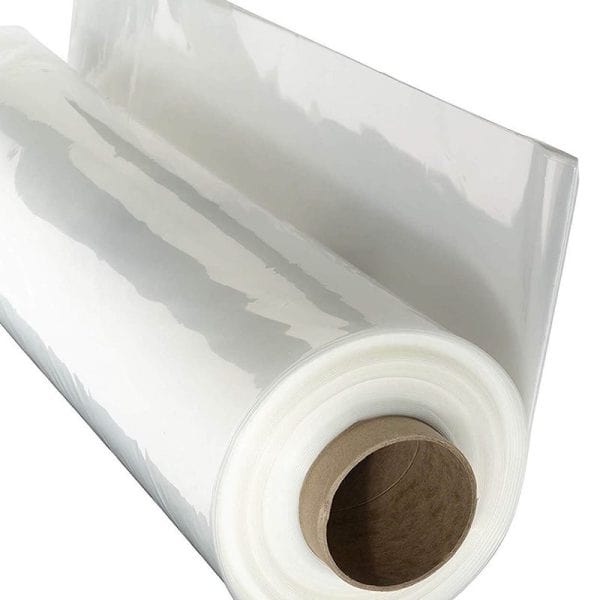
    This nylon is a type of plastic available in various thicknesses, used in large dimensions for covering greenhouses and subsurface plastic cultivation, as well as for covering construction equipment in civil engineering projects.

    These nylons can be produced in different shades of dark and light colors.

    The transparent type of these nylons protects plants from pathogens. They are typically produced in widths of 2, 4, 6, 8, 10, and 12 meters.

    For greenhouses with an area exceeding one hectare, it is advisable to order widths above 12 meters.

    Generally, these nylons are primarily used in the agricultural and construction industries.

    In plastic manufacturing plants, the price of this nylon is determined based on its quality and then introduced to the market. We will briefly mention each of these nylons later.

    The capability to produce wide plastic sheets was not feasible until recent decades.

    This limitation caused irreparable damages. With the production of this nylon, industrialists, farmers, and other professionals across various sectors have been able to meet their needs.

    The per-kilogram price of this nylon is highly cost-effective given its functionality.

    نایلون عریض آذین پلاست

    نایلون عریض آذین پلاست 

    Wide nylon types

    Wide nylon films come in various types depending on their intended use.

    These films are available in the market in two colors: transparent and black. The production of wide nylon films can range from single-layer to multi-layer, with their thickness adjustable between 150 to 500 microns.

    Single-layer nylon is typically produced with greater thickness compared to multi-layer nylon.

    The price of single-layer wide nylon is more economical due to its simpler production process and raw materials.

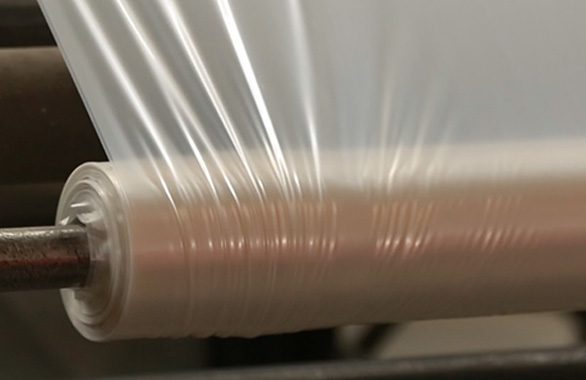
    In the video we have prepared for you, dear viewers, you can observe the production of wide nylon at Azin Plastic Company.


    Wide nylon also includes the following types, which you will learn more about in the following sections:

    Agricultural wide nylon

    Construction wide nylon

    Greenhouse wide nylon

    Agricultural wide nylon

    As mentioned, one of the applications of wide nylon is in the agricultural industry.

    In agriculture, these nylons are used for cultivating greenhouse products during cold seasons.

    Agricultural wide nylon is highly effective in protecting plants due to its UV-resistant, antiviral, and antibacterial properties.

    Depending on the type and area under cultivation, you can order and purchase wide nylon with the appropriate width and thickness.

    Agricultural wide nylon comes in various models, which you can view on the relevant page.

    Construction wide nylon
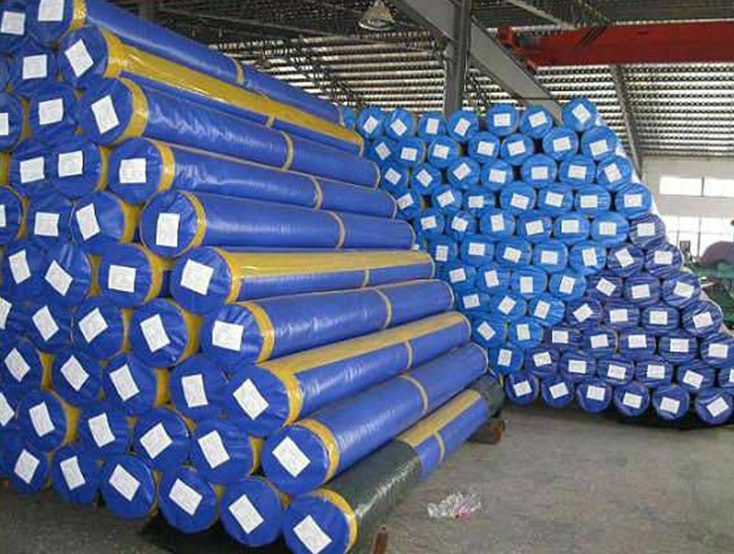
    نایلون عریضخرید نایلون عریض آذین پلاستWide nylon is extensively used in construction and civil engineering projects.

    Sometimes, in unfinished buildings, these nylon sheets are used as covers to protect the structure, equipment, and construction materials.

    To install wide nylon sheets on buildings, sturdy metal scaffolding with appropriate fasteners must be used.

    Additionally, these nylon sheets are widely used as coverings in flooring and roofing to prevent cement and moisture penetration.

    Price per meter of plastic

    Due to currency fluctuations, the price of this nylon varies daily.

    However, in general, factors affecting the price of wide plastic include: the customer’s order quantity (the larger the quantity, the more cost-effective the final price), the number of layers requested by the customer, additives added to the nylon, and similar considerations. The price per meter of plastic, based on the mentioned features and varying widths, is estimated to start from 80 tomans per meter and above.

    Features of multi-layered wide nylon

    These nylon sheets have a longer lifespan due to their higher strength and durability.

    Multi-layered nylon sheets, thanks to the UV-resistant additive compounds used in them, prevent damage to plants under direct sunlight.

    These types of nylon sheets also prevent water vapor condensation on roofs. This multi-layered nylon is available in widths ranging from 1 meter to 18 meters.

    The price of this type of nylon is determined per kilogram based on its weight and is suitable given its utility volume.

    Applications of wide nylon
     azin plast wide-width nylon
    azin plast wide-width nylon

    This nylon is used in various industrial and household applications. These nylon films are widely used in agriculture, greenhouses, and mulching.

    In agriculture, transparent nylon is used to allow light transmission into the environment, promoting faster crop growth.

    This type of nylon is also commonly used for roofing in mushroom cultivation centers. UV-resistant wide nylon is used in greenhouses to protect greenhouse plants.

    The high strength and durability of wide nylon films make them suitable for civil engineering and construction purposes, such as foundations and other applications.

    In the livestock industry, these nylon films can be used to create farming equipment.

    Price of Wide Nylon per Kilogram

    The price of nylon per kilogram and the price of thick plastic per meter may vary depending on the quality, thickness, and whether the nylon is multi-layered.

    Generally, the price of these nylon films is calculated based on weight, i.e., per kilogram. Approximately, one kilogram of nylon equals five square meters.

    This figure may vary slightly depending on the thickness of the nylon. Therefore, the price per kilogram of this type of nylon changes based on the type of wide plastic.

    The price per kilogram of nylon is also estimated based on the manufacturing brand. The more reputable the brand and the higher the quality of its products, the more expensive they are. Therefore, to get the price of high-quality nylon per kilogram, contact us.

    Price of Nylon at the Factory

    Keep in mind that buying directly from the factory can be beneficial for you. This is because many intermediaries appear between the buyer and the seller, and purchasing from them significantly increases the final price of the nylon.

    Thus, buying directly from the factory not only ensures authenticity but also reduces the price of the nylon.

    Enhancing the Properties of Wide Nylon with Additives
    قیمت نایلون عریض
    قیمت نایلون عریض

    To enhance the durability and lifespan of this type of nylon, UV-resistant additives are used in the raw material composition. Another additive employed in this nylon is IR (Infrared Absorber), which helps regulate greenhouse temperatures, maintaining a balanced climate during both day and night.

    Additionally, Anti-Static additives prevent the accumulation of static electricity, reducing dust buildup on greenhouse plants. Anti-Fog additives minimize condensation inside the greenhouse, protecting plants from sunburn caused by water droplets focusing sunlight.

    Summary

    Wide-width nylon is one of the most versatile plastics used in agriculture and construction industries.

    This type of nylon is utilized in greenhouse construction, mushroom farming centers, and more. Thanks to its specialized properties, it helps protect greenhouse plants from viruses and bacteria.

    The nylon is available in different layers, thicknesses, and widths. Generally, multi-layered nylon films offer greater strength, durability, and longevity compared to single-layer variants.

    Another key point mentioned earlier is that the price of this nylon is determined by weight, thickness, and quality. In other words, the price per kilogram depends on the current market rate for nylon.
  • Laminated nylon

    Laminated nylon

    Laminated nylon Azin Plast Company

    Any type of coating process on different surfaces is called lamination.

    In fact, nylon lamination is a protective coating layer that can be used on all kinds of fabric and nylon bags.

    This coating is attached to the desired bag or sack by sewing or pressing, and laminated nylon is produced. These nylons are used in packaging in various food, pharmaceutical, petrochemical, health and cosmetic industries.

    Laminated nylon is also known as a moisture-proof sack or bag.

    In this article, we will examine the types of laminated nylon, their features and applications. For more information in this field, it is recommended that you stay with us until the end of the article

    Laminated nylon
    Laminated nylon

    What is laminated nylon?

    Laminated nylon refers to types of sacks and bags that are covered with a laminate layer from the inside.

    The laminate layer prevents moisture and any type of dust from penetrating into the sack.

    These laminates have different thicknesses, the number of which is measured in microns.

    The lower this number, the thinner the laminate in question, and fine laminates are also called cellophane.

    The main constituent elements of laminated layers are polyethylene and polypropylene.

    Laminate layers are also used to produce jumbo bags.

    In this way, the laminated surface is placed inside the sack to prevent water and liquids from penetrating into the sack.

    Therefore, by purchasing laminated nylon, you can package all kinds of products with complete confidence.Features of laminated nylon

    These nylons are waterproof and consist of two outer and inner layers.

    The inner layer is made of laminate and the outer layer is made of chemical polymers.

    The following are some of the salient features of laminated nylon types:

    Having a smooth and polished surface with the possibility of printing on them

    Having high tensile and compressive strength

    Having a variety of colors, dimensions and thickness

    Preventing the creation of unpleasant odors in the space inside the product packaging

    Has high resistance to ultraviolet radiation

    Possibility of cold and hot cutting of nylon

    Resistant to tearing and high heat

    Affordable price of laminated nylon

    High flexibility and durability against various external and internal forces

    Types of laminated nylon

    Lamination nylon is classified into two types: cold lamination and hot lamination, according to its characteristics and properties.Below is a brief explanation of each type of laminate.

    Cold Laminate

    Cold laminated nylon is made of soft and thin material and is offered to the consumer market in various forms such as orange, leather-like cold, etc.

    Cold laminated rolls can be produced in widths of 91 and 106 centimeters and with thicknesses of 60, 80 and 95 microns.

    Due to their special design, these nylons are more elegant and beautiful, and in terms of production cost, purchasing cold laminated nylon is not cost-effective, as a result, its final price for the customer is high.

    Hot laminated nylon

    These nylons can be produced in two ways: matte or glossy. Hot lamination rolls are available in widths of 104 and 155 cm and

    thicknesses of 75, 125 and 150 microns.

    Hot lamination nylon is used in large-format jobs.This type of lamination is more common than cold lamination, as the laminate

    coating is applied to the desired surface by heating.

    Buying hot laminated nylon is more convenient and affordable than cold.

    Price of laminated nylon

    The price of laminated nylon is affected by several factors.

    The most important factors affecting the price of these nylons include the following:

    The thickness of the laminated nylon

    The percentage of its waterproofness

    Its maximum resistance to sunlight

    The reputation and brand of the manufacturing company

    The quality of the polymer materials that make up the laminated surfaces

    Price of laminated nylon: Effective factors and purchasing tips

    Laminated nylon is one of the most widely used types of packaging in various industries, including food, pharmaceutical,

    agricultural and industrial.This type of nylon has become an ideal option for protecting products due to its unique properties such

    as resistance to moisture, light, and dust.

    However, the price of laminated nylon is affected by several factors, which we will examine in this article.

    What is laminated nylon?

    Nylon laminate is a type of multilayer plastic film produced by pressing different layers such as nylon, polyethylene, aluminum or polyester.

    These layers increase the strength and durability of nylon and make it suitable for packaging sensitive products.

    Nylon laminate is divided into two main types: cold laminate and hot laminate:

    Cold laminate nylon: thinner, softer and with a more beautiful appearance, but more expensive.

    Hot laminate nylon: more resistant, in two types: glossy and matte, suitable for packaging larger products.

    Factors affecting the price of nylon laminate

    The price of nylon laminate depends on various factors, the most important of which are mentioned below:

    1. Type and number of layers

    Nylon laminate is produced in two to six layers. The more layers, the higher the strength and quality of the nylon, and as a result, its price increases.For example, five-layer laminated nylon, which includes layers of polyethylene, aluminum, and polyester, is suitable for packaging fresh food and is more expensive than two-layer nylon.

    2. Thickness of the nylon

    The thickness of this nylon, measured in microns (usually between 60 and 300 microns), has a direct impact on the price.

    Thicker nylons are more resistant and are used for heavy-duty applications such as packaging agricultural or industrial products.

    3. Dimensions and width of nylon

    This nylon is produced in various widths (from 25 cm to 2.2 m).

    Wider nylons, which are used to cover larger spaces or package bulky products, are more expensive.

    4. Raw Materials

    Fluctuations in the price of raw materials such as polyethylene and aluminum due to changes in exchange rates have a significant impact on the price of this nylon.This causes prices to change daily.

    5. Customization

    The ability to customize this nylon (such as printing a design, color, or adding features such as UV protection) also affects the final cost.

    Printed or colored nylons are usually more expensive.

    6. Order quantity

    Bulk purchases of this nylon are usually accompanied by discounts. For small orders, the production cost per unit will be higher.

    Applications of laminated nylon

    Laminated nylon is used in various industries due to its protective properties:

    Food industries: packaging tea, coffee, snacks, dairy and protein products.

    Pharmaceutical industries: packaging drugs to prevent moisture penetration.

    Agricultural industries: protecting products from environmental factors.

    Petrochemical and health industries: packaging light and moisture-sensitive materials.Important tips when buying laminated nylon

    Choosing a reputable manufacturer: To buy this quality nylon, go to reputable companies such as Azin Plast, which offer quality

    products and after-sales service.

    Specifying needs: Before buying, specify the required features such as thickness, width and type of laminate (cold or hot).

    Daily price inquiry: Due to fluctuations in the price of raw materials, be sure to inquire about the daily price from the

    manufacturer.

    Portfolio review: Check the manufacturer’s product samples to ensure the quality of the nylon.

    Laminated nylon price in 1404

    Due to market fluctuations and exchange rates, it is not possible to provide a fixed price for this nylon. Based on available

    information, prices are determined daily and for accurate information about the price of this nylon, you should contact the

    manufacturers.On average, the cost of this nylon can vary from a few thousand to several tens of thousands of tomans per meter,

    depending on the type, thickness, and number of layers.

    Why is laminated nylon an economical choice?

    Although this cold nylon may be more expensive, the durability and high resistance of this nylon to environmental factors have

    made it an economical option for long-term packaging. These nylons increase the shelf life of products by preventing the

    penetration of moisture and light and prevent possible losses.

    Uses of laminated nylon

    This nylon is used in various sizes to package agricultural products such as rice, tea, corn, various dried fruits, fruits, and

    vegetables.

    Laminated sacks are also used in the packaging of chemical fertilizers and other petrochemical products.These nylons are also

    widely used in geotechnical engineering for road construction, railways, mines and construction.

    Laminated sacks are used in the construction of awnings, travel tents and temporary shelters.

    These sacks are also used as barriers to flowing water in dams, beaches, rivers and other places.

    Buying Laminated Nylon

    To buy this nylon, it is necessary to pay attention to a number of basic, essential and important points. These points are:

    Laminated nylon
    Laminated nylon

    Considering the type of product that is to be packaged with nylon.

    Quality of laminated nylon

    Thickness and dimensions of the desired nylon

    Type of lamination

    Percentage of gloss and transparency of laminated nylon

    Conclusion

    Laminated nylon refers to double-walled bags whose inner layer includes a protective coating layer.

    These nylons can be produced in two forms: cold and hot.

    Types of this nylon are used in the packaging of special products to prevent the penetration of moisture, water and sunlight.

    The price of these nylons is affected by many internal and external factors.

    To purchase laminated nylon, you can refer to reputable sales centers and authorized representatives of manufacturing companies

  • Adhesive cellophane

    Adhesive cellophane

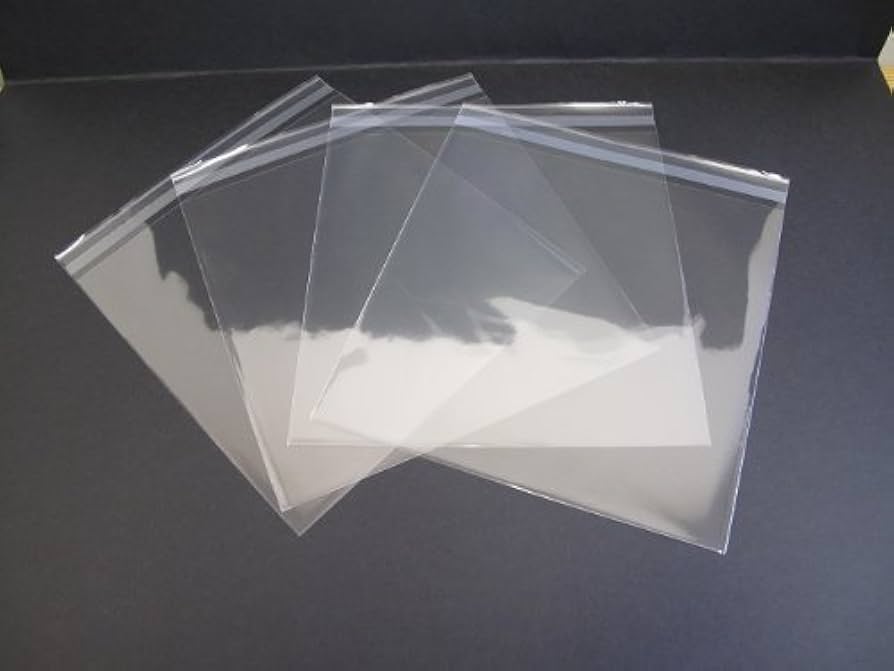
    Adhesive cellophane Azin Plast Company

     cellophane is a versatile and versatile product that is an important part of safe and stylish packaging.

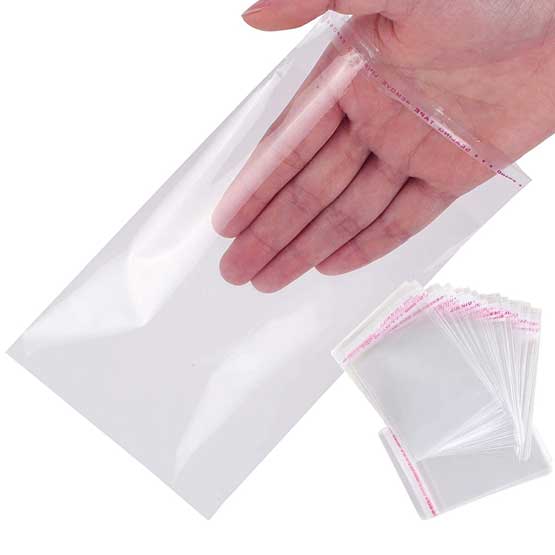
    cellophane is a favorite among businesses large and small due to its adhesive properties and protection of goods from external factors.

    You should know that there is a wide range of cellophane and you can choose the best one from them, but how do you know which one is right for you?

    This article provides some essential facts about this useful product. We will also talk about the factors affecting the price of cellophane wrap

    Adhesive cellophane
    Adhesive cellophane

    Introducing Adhesive cellophane

    Cellulose Scotch, later renamed Cellophane, is an attractive, moisture-proof way for grocers and bakers to package products.

    The adhesive used in this product helps businesses to package and store various items and reduces waste.

    Water Resistance of Cellophane Scotch

    Because of its waterproof nature, cellophane, or adhesive plastic, is very popular for wrapping fresh and artificial flowers, and because of its shine, it makes the flowers look more beautiful.

    Uses of Adhesive cellophane

    Adhesive cellophane is used to protect products from environmental and surface damage such as scratches, scuffs, fading, abrasion, and other physical and chemical erosive factors.Cling film is often used for packaging products to prevent moisture and dust from entering.

    Cling film can also be used for business cards or stationery, printing, hair accessories, jewelry, and more

    Adhesive cellophane
    Adhesive cellophane

    Since this product is clear, waterproof, acid-free and high-quality, this product is very popular among professional photographers, stamp collectors, gallery owners and painters.

    It also protects food products produced in bakeries, homes and restaurants, etc. that are not usable or keeps baked goods safe.

    You can use this product to package food items such as cookies, baked goods, nuts, candy or any other food product you have, using self-adhesive cellophane.

    Cellophane bags do not shrink and are approved by the FDA and USDA for use with food.

    Other uses for self-Adhesive cellophane

    In addition to food packaging, cellophane is used for packaging and manufacturing tubes and many other similar applications.You can find this product in any size you want on the market, and you can also order this product in a desired size to be made for you.

    Environmental Dangers of Adhesive Cellophane

     cellophane is harmful to the environment, and in addition to using wood as a raw material, a toxic substance called carbon disulfide is used in its production.

    Also, if cellophane is placed in a landfill that does not have a methane recovery system, it can lead to the release of methane, a powerful global warming gas.

    On the one hand, this product is needed for food storage and for transportation, on the other hand, they are not biodegradable.Both are very important, but fortunately, there are many efforts underway to recycle soft plastics, and these products are made using thinner cellophane and less plastic, so they have a less damaging impact on the environment

    Adhesive cellophane
    Adhesive cellophane

    Difference between cellophane and self-adhesive cellophane

    Although the production process of both materials is very similar, these products have slight differences. Each type of product has its own advantages.

    cellophane is made of transparent plastic, is brittle, waterproof, recyclable and cheap to manufacture.

    Self Adhesive cellophane has a long shelf life, but it turns yellow over time and cannot withstand heat and is much more expensive to manufacture. It can be used to store food and other items, because nothing leaks into or out of them, this product does not smell like plastic, and food contaminants do not pass through this product.

    Production of self-adhesive cellophane in your desired color

    There are no color restrictions for the production of this product, so you can order this product in any color you need and want.

    If you are using adhesive-backed cellophane packaging for food and confectionery items, it is better to make sure of the price of adhesive cellophane and then make a purchase. Because this product can be used in different sectors, it is offered to the market at different prices. Also, make sure of the price of adhesive-backed cellophane so that you do not get abused by profit-seeking people.Final point

    To prepare and buy adhesive cellophane, you should consider some points to experience a safe purchase. In this article, we have tried to remind you of all the things. Before purchasing adhesive cellophane, first consider your needs and purchase the product according to your needs and usage. Also, note that these products are available in the market with different qualities and different prices, so when buying, pay attention to the brand, size, color, etc. of adhesive cellophane

  • Nylon silo

    Nylon silo

    Nylon silo Azin Plast Company

    Silo warehouses have been used since ancient times to store fodder and feed for livestock.

    Silos are used in various shapes, sizes and materials in fields to collect various types of fodder such as cornmeal, barley, wheat, etc.

    Today, the use of plastic silos has become common in many countries around the world.

    These silos are also known as nylon silos and are used to store various types of fodder and grains.

    In this article, we are going to introduce these types of silos.

    In the following, we will also discuss the features and applications of nylon stretch silos. So, it is recommended that you continue with the article


    Nylon silo
    Nylon silo

    What is a nylon silo?

    Siloing actually means packaging animal feed with the help of a series of special equipment.

    Silo operations were done manually and traditionally in the past.

    Today, this operation is done by machines and fully automatically.

    Plastic silos are one of the types of silos that are used to package fodder.

    Perhaps, in the opinion of some, silage using nylon may be unreasonable, but nylon silos, with their unique characteristics, are suitable for silaging any type of fodder while maintaining all its properties.

    Plastic silos are made of chemical polymers and there is no hardness in the composition of its raw materials that would change the quality and freshness of the fodder.

    Features of Silo Nylon

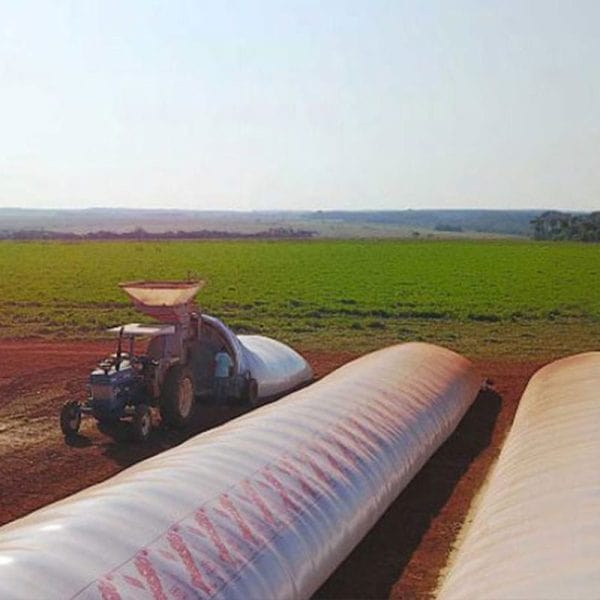
    Silo nylons protect packaged forage from sunlight and spoilage.These nylons can be produced in different thicknesses from 200 to 400 microns.

    Plastic silos are produced in different colors and are reasonably priced compared to other silo methods.

    The reasonable price of nylon stretch silos compared to other silos has led to their widespread use.

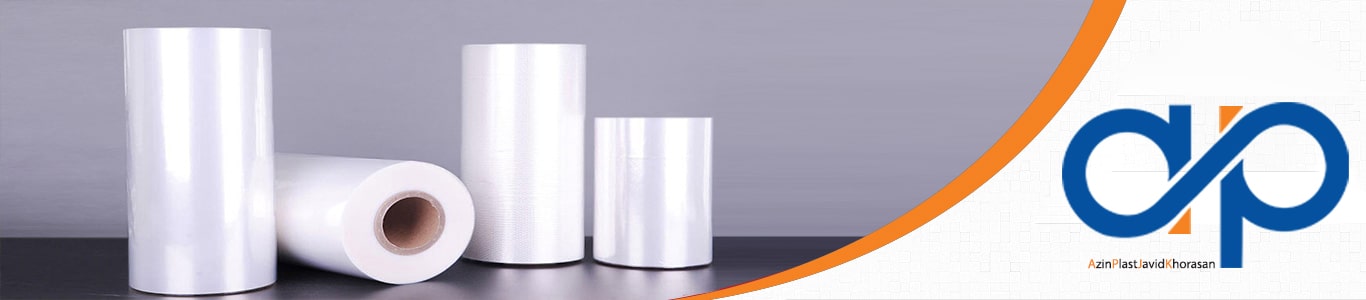
    These silos are offered to the market in rolls and in different sizes.

    Plastic silos will increase the shelf life of the desired product by preserving the nutritional value of the fodder packaged in them.

    These types of silos have excellent mechanical resistance to impact and pressure and have the ability to be used several times in a row.

    Adding additives such as anaerobic bacteria to nylon silos also reduces the fermentation time in them

    Advantages of Using Nylon Silos

    Using plastic silos has a number of values ​​and features compared to other types of silos. Among these benefits are the following:

    Maintaining the freshness and quality of packaged fodder

    Increasing the speed and convenience of transporting silaged fodder

    Reducing the percentage of loss in nutritional value of materials by 5% by using this method in a silo

    Significantly reducing the costs of storing and ensiling livestock feed with nylon silo

    Preventing cold and heatstroke of silaged fodder in extreme heat and cold

    No need to use special equipment and facilities when storing fodder using this type of silo method

    Preventing the wastage of silage and materials resulting from the fermentation of fodder inside the nylon stretch silo

    Important points when buying nylon silo

    When buying this type of silo, it is essential to pay attention to a series of points for a safe and easy purchase.An important thing about colored plastic silos is that you must pay attention to the quality of uniform paint spraying throughout the nylon.

    Because otherwise, in areas where paint spraying has not been done continuously,

    Sunlight will shine directly into the animal feed package, which will cause the product to burn and become hollow, and as a result, the quality of the product will decrease.

    Another important factor that should be considered when purchasing is the strength of the nylon, which is determined by the amount of forage weight it can bear during transportation.

    Another important thing that should be considered when purchasing these silos is the thickness of the nylon, which in large-sized packages, the thickness should also increase in proportion to the volume of the package

    Applications of Nylon Silo

    SEO nylon has wide applications in various industries due to its special properties. Here are some of its most important applications:

    1. Agriculture and fodder storage

    SEO nylon is widely used for packaging and storing fodder in agriculture. By creating an air-free environment, this nylon facilitates the fermentation process and maintains the quality of fodder for animal feeding.

    2. Food packaging

    In the food industry, SEO nylon is used to package grains, legumes and other dry products. This nylon prevents moisture and insects from entering the package.

    3. Industrial industries

    SEO nylon is used in various industries to cover equipment, machinery and raw materials to protect them from dust, moisture and environmental damage.

    4.Environmental Applications

    Some types of SEO nylon, produced with biodegradable materials, are used in environmental projects such as soil cover to prevent erosion

    Important points in choosing nylon silo

    To choose the right SEO nylon, you should pay attention to a few points:

    Nylon thickness: Choose the appropriate thickness depending on the type of application. Thicker nylons are suitable for heavier uses.

    UV resistance: If nylon is used outdoors, be sure to choose a type that is resistant to UV rays.

    Quality of raw materials: High-quality nylons are produced from high-quality raw materials and have a longer lifespan.

    Dimensions and size: Order nylon according to your needs to prevent material waste.

    Factors affecting the price of nylon silo

    The price of stretch nylon silo is determined by the quality of the raw materials used in its production, currency fluctuations, the thickness and dimensions of the nylon.

    In the production of plastic silos, there is no need to use first-grade materials, and grade 2 and 3 materials can also be used in their manufacture.Another point to mention is the amount of additives in nylon silos, which plays an important role in determining the price of nylon.

    Tips for storing fodder in nylon silos

    Nylon silos maintain the quality of the material at the desired and ideal level for up to two years.

    For packaging and storing every 30 kilograms of fodder, approximately 150 grams of stretch nylon silos are required.

    Using colored plastic silos also prevents direct sunlight.

    Another important point that should be mentioned is related to the climatic conditions of storing the silo, which should not be exposed to wind and rain, water and fire, rough and uneven surfaces, insects and rodents as much as possible.

    Conclusion

    Today, nylon silos are used in most countries to store and transport all kinds of fodder.

    Storing fodder in a nylon stretch silo preserves its freshness and makes it last longer.Different types of plastic silos can be produced in different thicknesses and dimensions.

    The compounds used in the construction of these silos are such that they protect fodder and grains from damage caused by direct sunlight, extreme heat and cold, wind and rain.

    The price of these silos depends on several factors.

    In general, the cost of this silo method is cheaper compared to other types of fodder and grain storage.

    In fact, it can be said that making silage with these nylons is relatively safe

  • نایلون صنعتی

    نایلون صنعتی

    نایلون صنعتی شرکت آذین پلاست

    با پیشرفت تکنولوژی و فناوری در زمینه محصولات ترموپلاست و پلیمری، استفاده از کیسه‌های نایلونی و نایلکس در صنایع بسته‌بندی محصولات مختلف رواج زیادی پیدا کرده است.

    این نایلون‌ها با اشکال و ابعاد مختلف در بسته‌بندی صنایع گوناگون غذایی، دارویی، صنعتی و … کاربرد دارند. نایلون صنعتی به دلیل گستردگی فراوان در بسته‌بندی محصولات، انواع متفاوتی دارد.

    در این مقاله سعی خواهیم کرد به بررسی انواع مختلف کیسه نایلون صنعتی، کاربرد آن‌ها و فروش نایلون صنعتی بپردازیم.

    امیدواریم که مطالب جمع آوری شده در این مقاله برای‌شما مفید و ارزشمند واقع شود.

    نایلون صنعتی
    نایلون صنعتی

    نایلون صنعتی چیست؟

    نایلون صنعتی اولین بار در سال 1935 در یک شرکت پژوهشی شیمیایی بزرگ، به واسطه شخصی به نام کاروترز ساخته شد.

    بعد از آن، مصرف این نایلون‌ها به مرور در سراسر دنیا مورد استقبال زیادی قرار گرفت.

    این نایلون‌های پلاستیکی به عنوان مواد اولیه در ساخت بسیاری از محصولات ترموپلاست مورد استفاده قرار گرفتند.

    درصد بیشتر مواد اولیه به کار رفته در ساخت این نایلون‌ها از پلیمر پلی‌اتیلن تشکيل شده‌ است که باعث انعطاف‌پذیری بالا در آن‌ها می‌شود.

    با گسترش تولید محصولات پلیمری، فروش نایلون صنعتی نیز رشد چشمگیری پیدا کرد.

    انواع کیسه نایلون صنعتی

    نایلون صنعتی با توجه به کاربردهای گوناگونی که دارد، از انواع مختلفی تشکیل شده‌ است. بعضی از انواع رایج و پرکاربرد نایلون صنعتی شامل موارد زیر است.

    نایلون عریض کشاورزی

    نایلون کشاورزی عریض در عرض‌های بالا جهت مصارف کشاورزی و کشت گیاه گلخانه‌ای قابل تولید است.

    از نایلون عریض کشاورزی در ساخت گلخانه‌ها، مراکز پرورش قارچ و … استفاده می‌کنند.

    نایلون کشاورزی در عین سبک بودن و شفافیت بالا، دارای ضخامت قابل قبولی نیز است.

    نایلون عریض ساختمانی

    نایلون ساختمانی از لحاظ ساختار فیزیکی مشابه نایلون کشاورزی بوده و تنها تفاوت آن‌ها در نوع کاربردشان است.

    از این نایلون‌ها در کارهای پوششی ساختمان مانند ساخت انبار موقتی جهت نگهداری وسایل و تجهیزات ساختمانی، عایق‌بندی سقف و کف‌ها و … استفاده می‌شود.

    این نایلون‌ها در ابعاد و ضخامت‌های مختلفی قابل تولید است.

    نایلون شیرینگ

    این نایلون صنعتی تحت تاثیر حرارت و گرمای زیاد، حالت جمع‌شدن پیدا می‌کند و در بسته‌بندی‌های بکسی و مجموعه‌ای محصولات، کاربرد دارد.

    نایلون شیرینگ در ضخامت‌های مختلف تولید می‌شود و از انعطاف‌پذیری بالایی برخوردار است.

    از معروف‌ترین کاربردهای نایلون شیرینگ می‌توان به بسته‌بندی بطری‌های آب معدنی، نوشابه‌ها، انواع نوشیدنی‌های دیگر، کنسروها و … اشاره کرد.

    نایلون پشت چسب دار

    نایلون پشت چسب دار دارای خاصیت چسبندگی به منظور بسته‌بندی و پوشاندن برخی از محصولات ویژه است.

    این نایلون‌ها به عنوان سلفون نیز شناخته می‌شوند و از ضخامت بسیار نازکی در مقایسه با دیگر انواع نایلون برخوردار هستند.

    از این نایلون‌ها در بسته‌بندي مواد غذایی مانند محصولات پروتئینی و گوشتی استفاده می‌شود.

    نایلون حباب دار کیسه ای

    این نایلون‌ها از دو لایه که بین آن‌ها فضای خالی یا حباب وجود دارد، تشکيل شده‌ است.

    از خصوصیات این نایلون‌ها می‌توان به وزن بالا و همچنین قیمت بالای آن‌ها نسبت به سایر نایلون‌ها اشاره کرد.

    از نایلون حبابدار برای بسته‌بندی و محافظت از محصولات شکستنی و حساس مانند انواع پیرکس، چینی، بلور و… استفاده می‌شود.

    حباب موجود در این نایلون، محصولات شکستنی را از ضربه‌ها و فشارهای احتمالی وارد شده بر آن‌ها مصون نگه می‌دارد

    از پرطرفدارترین و جدیدترین نایلون‌های حبابدار، می‌توان کیسه نایلون صنعتی حبابدار را نام برد.

    نایلون تبلیغاتی

    این نایلون همان‌طور که از اسم آن مشخص است در کارهای تبلیغاتی مانند ساخت بروشورها، بنرهای تبلیغاتی و … کاربرد دارد.

    نایلون تبلیغاتی با قابلیت چاپ هر نوع تصویر، نوشته و لوگو بر روی آن، مورد مصرف در صنایع گوناگون است. چاپ بر روی نایلون تبلیغاتی توسط دستگاه هیلو و فلکسو صورت می‌گیرد.

    امروزه فروش نایلون صنعتی تبلیغاتی، از سود و بازدهی خوبی برخوردار است.

    نایلون صنعتی استرچ

    نایلون استرچ نوعی دیگر از نایلون‌های صنعتی بوده که بیشترین مصرف آن‌ها در بسته‌بندی محصولات غذایی است.

    این نایلون‌ها از خاصیت کشسانی بالایی برخوردار هستند. به همین دلیل استفاده از آن‌ها مقرون به صرفه است.

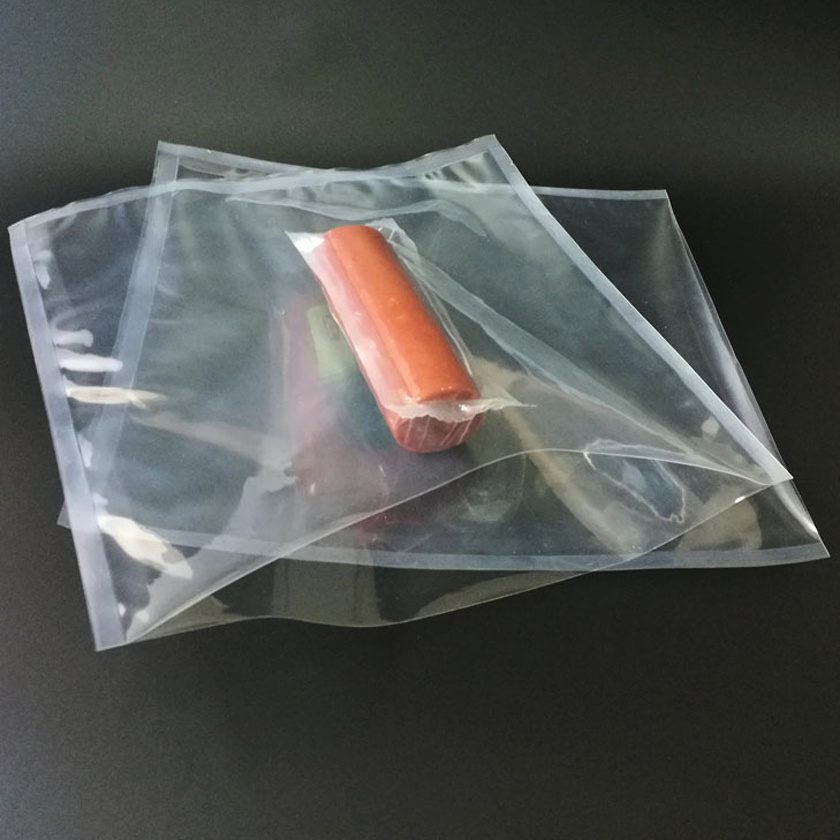
    نایلون استرچ برعکس سلفون خاصیت چسبندگی ندارد و برای تازه ماندن و حفظ خاصیت، طعم و مزه غذاها در رستوران‌ها از این نایلون‌ها برای وکیوم غذاهای سرو شده استفاده می‌شود.

    کیسه نایلون صنعتی بسته‌بندی تره‌بار

    این نایلون‌ها به دو نوع ساده کوچک و بزرگ تقسیم‌بندی می‌شوند.

    نوع ساده این نایلون‌ها در جهت حمل خریدهای کوچک روزمره مورد استفاده قرار می‌گیرند.

    نایلون‌های بسته‌بندی تره‌بار بزرگ یا خیاری با دارا بودن مقاومت و استحکام بالا در میادین میوه و تره‌بار برای محصولاتی مانند خیار، بادمجان و … به کار می‌رود.

    ابعاد این نایلون‌ها معمولاً 45×90 سانتی‌متر است و گنجایش حدود 30 کیلوگرم بار را دارند.

    کیسه نایلون صنعتی جهت آبیاری

    همان گونه که از نام این نوع نایلون مشخص است، کاربرد آن بیشتر در صنایع کشاورزی و آبیاری محصولات است و در کیفیت‌های متنوعی در بازار موجود است.

    البته این محصول در دیگر مکان‌ها نیز کاربرد دارد.

    نایلون قابل بازیافت

    در تولید و ساخت این مدل نایلون‌ها معمولاً از مواد درجه یک استفاده می‌شود تا پس از استفاده و دورریز بتوان آن‌ها را به‌راحتی بازیافت کرد.

    از این نوع نایلون‌ها در صنعت بسیار استفاده می‌شود و به دلیل قابلیت بازیافت این محصول در صنایع، می‌توان آن را دوباره استفاده کرد،

    به این صورت که ابتدا نایلون‌های استفاده شده را خرد کرده و توسط دستگاه مخصوص نایلون ساز مجدداً نایلون ساخته می‌شود.

    کاربردهای گوناگون نایلون صنعتی

    این نایلون‌ها به دلیل دارا بودن انواع متنوع، کاربردهای گوناگونی در صنایع مختلف دارند که عبارتند از:

    • کاربرد در بسته‌بندی انواع لوازم خانگی
    • استفاده در بسته‌بندی انواع فرش و قالیچه
    • بسته‌بندی لوازم و قطعات یدکی خودرو
    • انتقال و نگهداری علوفه و خوراک دام
    • بسته‌بندی انواع خوراکی‌ها و تنقلات مانند بیسکوییت، شکلات، کیک، چیپس، پفک و …
    • کاربرد در بسته‌بندی انواع اسباب‌بازی‌ و لوازم پلاستیکی

    خرید و فروش نایلون صنعتی

    برای خرید و فروش این نایلون‌ها باید از قیمت، جنس و کاربرد هر یک از انواع نایلون آگاهی کافی داشته باشید.

    قیمت انواع نایلون صنعتی بر اساس کاربرد، ویژگی و خواص هر نوع از کیسه‌های نایلونی مشخص می‌شود.

    در خرید این نایلون‌ها ابتدا باید به کیفیت مواد اولیه پلیمری به کار رفته در ترکیبات نایلون توجه شود.

    زیرا از نایلون‌های بی کیفیت و درجه 2 و 3 در بسته‌بندی محصولات غذایی، دارویی و بهداشتی نمی‌توان استفاده کرد.

    بنابراين با مقایسه ویژگی‌ها و کاربرد نایلون‌ها با قیمت پیشنهادی، می‌توان یک خرید و فروش مطمئن و آسان را انجام داد‌.

    جمع بندی

    در این مقاله به موضوع ساخت نایلون صنعتی و ویژگی‌های آن پرداخته شد.

    در مطالب بالا همچنین به برخی از مهم‌ترین انواع نایلون از قبیل نایلون شیرینگ، نایلون برچسب دار، نایلون تبلیغاتی، نایلون بسته‌بندی تره‌بار، نایلون عریض کشاورزی و ساختمانی اشاراتی کوتاه شده است.

    در مورد کاربردها، خواص فیزیکی و مکانیکی هر کدام نیز توضیحاتی مختصر و مفید داده شد.

    اگر شما هم قصد خرید یا فروش نایلون صنعتی را دارید، ابتدا لازم است که در مورد آن‌ها اطلاعاتی کسب کنید سپس اقدام به خرید کیسه نایلون صنعتی نمایید.

  • Soil disinfecting nylon

    Soil disinfecting nylon

    Soil disinfecting nylon Azin Plast Company 

    Soil disinfection nylons are extruded polyethylene films that are used to disinfect soil, protect the environment, and also ensure the safety of beneficial soil organisms.

    These films have many mechanical properties and are highly resistant to punctures.

    Soil disinfecting nylon are used to reduce direct sunlight or the loss of chemicals.

    Soil sterilization against pests, diseases, viruses, and harmful bacteria are other uses of these films.

    Currently, purchasing soil disinfection nylons is very important for farmers, because it plays a significant role in protecting agricultural lands.

    Join us to review this product before purchasing soil disinfection plastic

    Soil disinfecting nylon
    Soil disinfecting nylon


    Soil Disinfectant Nylon Buying Guide and Price

    Purchasing soil disinfecting nylon is a very important product for the agricultural sector.

    The price of soil disinfecting film is constantly changing due to the increase in the price of raw materials.

    Also, the supply of soil disinfecting nylon will affect the price of soil disinfecting nylon because it can be produced according to customer orders.

    One of the best ways to grow plants and also control weeds is to use soil disinfecting nylons.

    For this reason, Soil disinfecting nylon is very popular among farmers around the world.

    One of the most important parts of agricultural activity is preparing the land for germination and growth of plants.

    Features of soil-disinfecting nylon

    Controlling pests and weeds has been one of the major challenges for farmers since ancient times.Therefore, soil-sterilizing plastic has now become of particular importance to farmers in this industry.

    Soil disinfecting nylon the soil from toxins such as herbicides and help them be absorbed into the soil.The characteristics of soil disinfection nylon are:

    Colorless and transparent

    Contains metallocene polyethylene, elastomer and olefin

    Increases the efficiency of the disinfectants used, including gas, steam or other chemicals

    Adding a series of additives such as anti-UV additives upon user request

    Preventing pollution of enclosed air and protecting the environment

    Producing this nylon with a thickness of 45 microns and even more, depending on the geographical conditions of the region

    The cheapest way to disinfect soil compared to other methods

    The most important advantages of disinfecting nylons

    The effectiveness of pest control depends on the organs receiving the toxins, whether they have been exposed to the disinfectant

    for a sufficient period of time.Because disinfectants undergo a series of disposal and waste processes, ranging from chemical and

    microbial degradation to non-toxic metabolisms, off-gassing, and release into the atmosphere


    Soil disinfecting nylon
    Soil disinfecting nylon

    The duration of effectiveness of soil disinfectant nylons can be influenced by controlling the concentration.

    Thus, increasing the concentration in a shorter period and decreasing the concentration in a longer period of time affects the soil.

    Among the main and practical advantages of soil disinfectant nylons are the following:

    Even distribution of toxins and vapor on the soil surface

    Preventing the waste of toxins and their release into the atmosphere

    High durability against impact and wind

    Maximum efficiency

    Economic and cost-effective

    Very durable against ultraviolet rays

    In fact, the uniformity of toxins and their distribution throughout the agricultural land is among the main advantages of these

    nylons, which prevents the accumulation of toxins.

    In addition, the lack of emissions of gases and toxins into the atmosphere are other important advantages of using these nylons.It

    is interesting to know that the movement of vapor through the soil is affected by factors such as soil texture, moisture and heat.

    Use of soil disinfectant nylon

    Considering the common methods as well as the materials used and the chemical properties of the disinfectant films, it will be

    possible to achieve high levels of pest control up to a depth of several meters from the soil surface.

    Higher rates of pesticide use are usually used in crops that have deep and long roots, such as orchards, vineyards or places where

    pests are very deep, such as storage areas, pens, etc.

    In fields where plants have a short lifespan or shallow roots, low rates or shallow injections are used.

    By using this method, farmers will have more hope for mass, uniform and healthy cultivation of their crops.The three main uses of

    soil-disinfecting plastic are:

    Protecting soil texture in greenhouses or open spaces

    Improving continuous plant utilization

    Improving uniform plant growth

    These are among the most important uses of Soil disinfecting nylon.

    Notes on Soil disinfecting nylon

    Soil disinfecting nylon is used to control a large number of soil-borne pests, such as diseases in plant roots and leaves, plant

    parasites, weed seeds, etc.

    In general, soil-disinfecting plastic has a special chemical structure and a variety of additives.

    Disinfecting nylons are made of antimicrobial materials that are mainly used a few weeks or months before planting the crop to

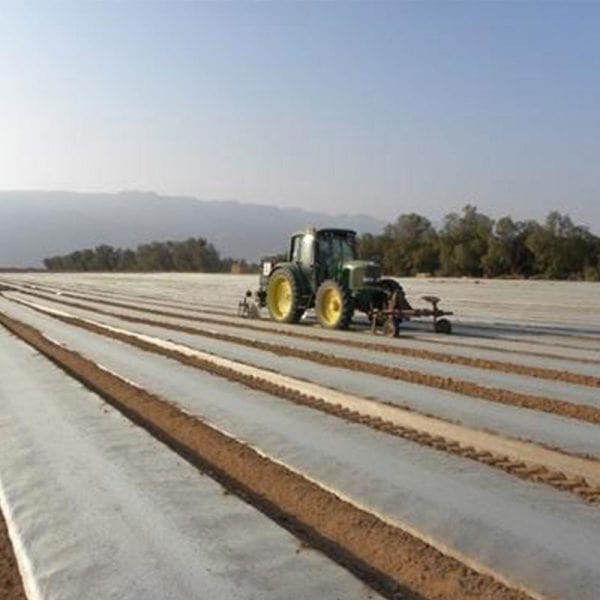
    reduce the risk of plant damage.Usually, soil disinfection film is applied by tractor or manually to cover the soil surface.

    These nylons, when placed on the ground, trap sunlight and the pesticides used in the soil under the nylon, causing weeds, pests,

    pathogens, etc. to be controlled to a depth of several centimeters of soil.

    After a few hours, the gas vapor disperses through the pores of the soil in the areas with high concentrations close to the point of

    pesticide injection to areas with lower concentrations.

    If soil disinfection nylon is used in your work and you intend to buy Soil disinfecting nylon;

    Just call the numbers listed on the site and order your soil disinfection nylon to receive your desired nylon very easily and conveniently